PROJECT Frozen Ices

Jul 2, 2021 | Kitchen PROJECTS, Summer

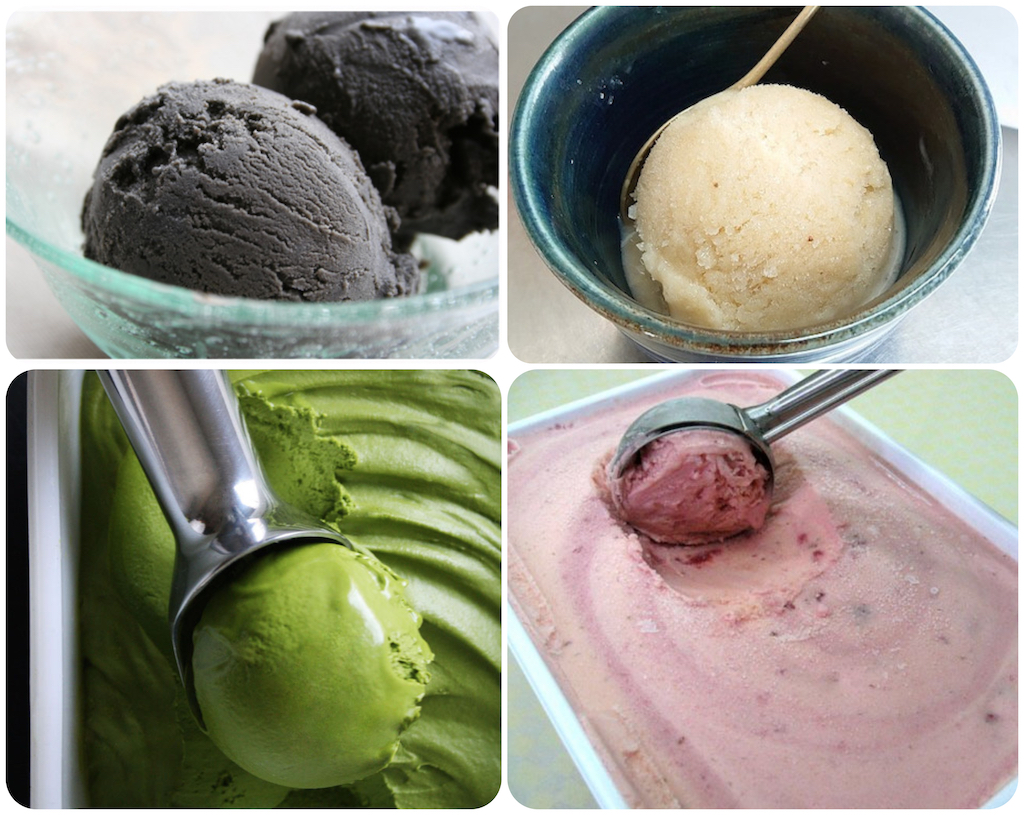
Make FROZEN (amazake) ICES in your kitchen

Using the basic description and recipe (for Banana-Ginger Ice) in the Kitchen Culture blog post, try making different flavors: Kuro Goma (Black Sesame), Matcha (Green Tea), and Ichigo (Strawberry) are especially tasty.

KANSHA (pg 230) has a recipe for Brown Sugar Ice (Kuro Mitsu Aisu) and WASHOKU has a recipe for Black Sesame (pg 298) and Ruby Grapefruit, Strawberry, Apple and Honeydew Melon flavors, too (pg 297).
 

Kagami Mochi

Kagami Mochi

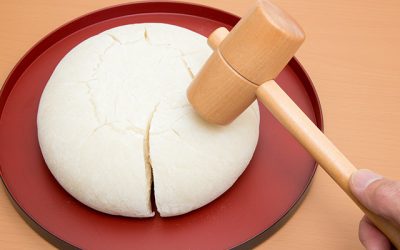
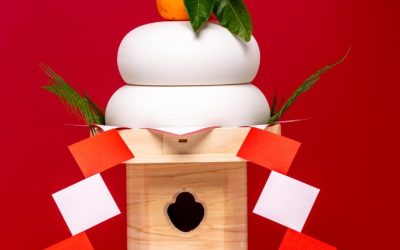
At New Years’ time, the Japanese decorate their homes with a special display called KAGAMI MOCHI. There are many regional variations on the theme but typically two large rounds of omochi rice taffy are stacked with a daidai 橙 (bitter orange) on top. The arrangement is...

Symbolic Pine

Symbolic Pine

Because pine trees are hardy evergreens, they are a symbol of longevity and resilience in Japanese culture. As such they are a key motif used at New Year’s. Various foods are configured to evoke the image of pine needles (matsuba 松葉 ) and pine cones (matsukasa 松笠 )....

PROJECT Symbolic Pine

PROJECT Symbolic Pine

Because pine trees are hardy evergreens, they are a symbol of longevity and resilience in Japanese culture. As such they are a key motif used at New Year’s. Various foods are configured to resemble pine. Cones (matsukasa) and needles (matsuba) are the most frequently...

Katsura Muki, gossamer thin peels

Katsura Muki, gossamer thin peels

Daikon radish is peeled into long, seemingly impossibly thin ribbons in a cut known as katsura muki. The skill needed to produce these peels is the most basic requirement in any Japanese professional kitchen. It typically takes months (if not years) of daily practice...

Recent Posts & Projects