PROJECT Shaved Ice

Jun 13, 2023 | Kitchen PROJECTS, Summer

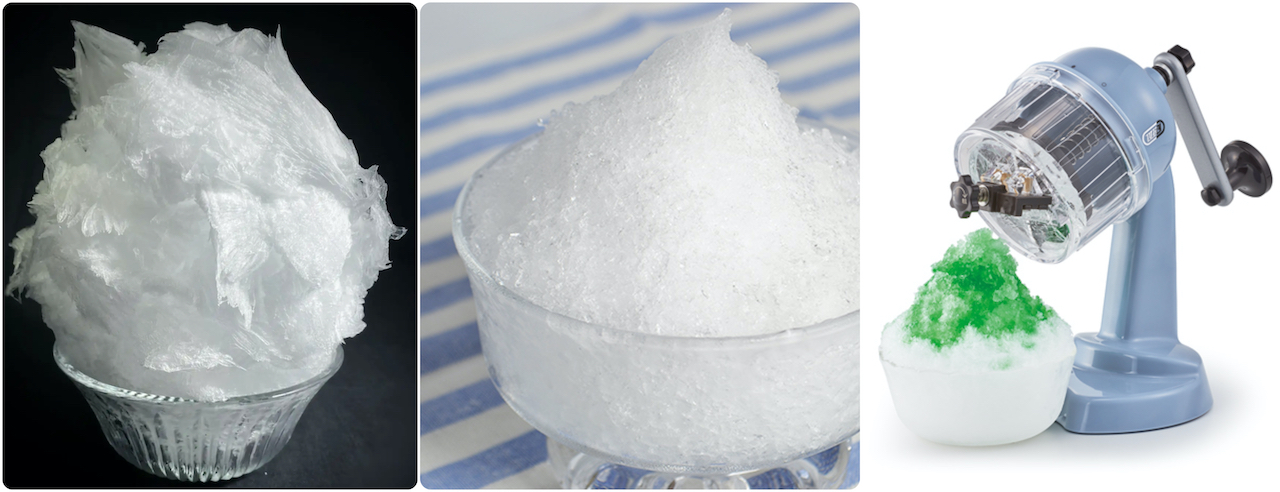
PROJECT Shaved Ice is about making Japanese-style kaki-gōri confections.
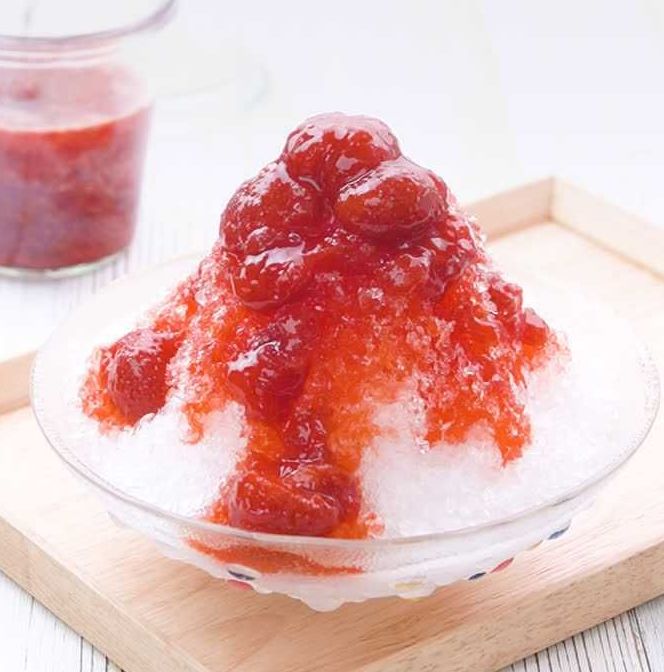
Strawberry Sauce

Many people top shaved ice with fresh fruit or commercially prepared syrups. But for those who would like to make their own, here is a simple-to-make STRAWBERRY sauce.

Note the recipe includes a drop of light-colored soy sauce that adds depth of flavor while mellowing what might otherwise be a cloying sweet sauce.
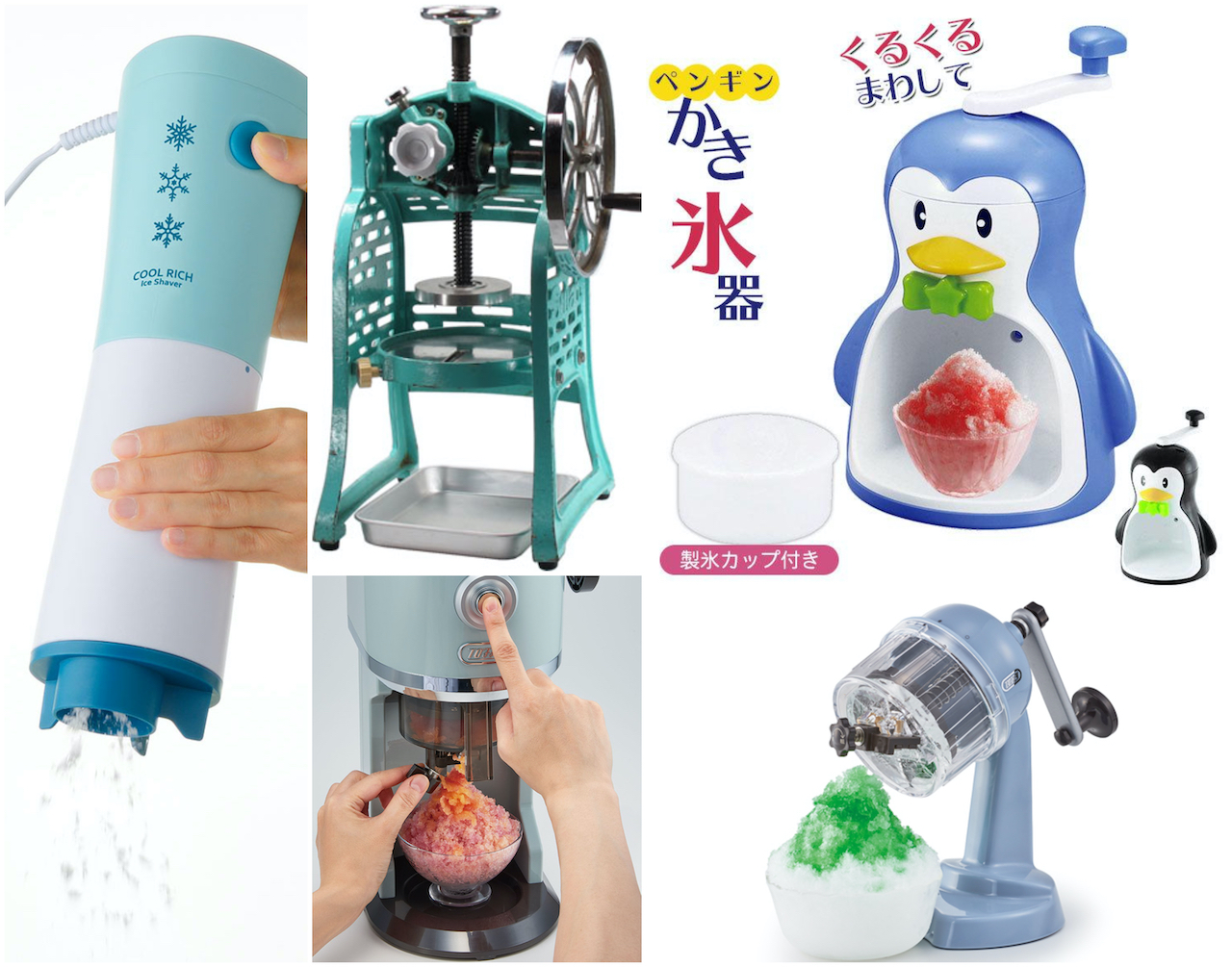
Ice Shaving Machines (かき氷器 kaki-gōri ki)

Japanese home kitchen drawers, cupboards, and countertops are filled with gadgets. If you are a serious kaki-gōri maker no doubt you’ll want one (or more) of the many specialty tools available.

The basic mechanism consists of a blade (adjustable to some extent), a chamber to hold a chunk of ice, a dedicated space for placing a serving bowl, and a hand crank (a few are electric-powered).

Enjoy shaved ice in YOUR kitchen. And, stay cool…

 

More about kaki-gōri

Visit my KITCHEN CULTURE Blog to learn more about the history of eating ice in Japan and why Japanese ice is so fluffy.

Download a copy of my JUNE 2023 newsletter

Listen to my chat with Akiko Katayama of Japans Eats about ICE!
PROJECT Symbolic Pine

PROJECT Symbolic Pine

Because pine trees are hardy evergreens, they are a symbol of longevity and resilience in Japanese culture. As such they are a key motif used at New Year’s. Various foods are configured to resemble pine. Cones (matsukasa) and needles (matsuba) are the most frequently...

Katsura Muki, gossamer thin peels

Katsura Muki, gossamer thin peels

Daikon radish is peeled into long, seemingly impossibly thin ribbons in a cut known as katsura muki. The skill needed to produce these peels is the most basic requirement in any Japanese professional kitchen. It typically takes months (if not years) of daily practice...

PROJECT Katsura Muki

PROJECT Katsura Muki

This PROJECT is about learning to make katsura muki, a classic cutting technique in the traditional Japanese kitchen. When done properly, long, flowing, continuous and incredibly thin peels are produced from vegetables such as daikon radish, cucumbers and carrots. In...

Tsutsumu… wrapping, enveloping

Tsutsumu… wrapping, enveloping

Written with calligraphy for “bath” (furo 風呂) and “spread out” (shiki 敷) the word is rather curious for a piece of cloth. It seems the origins hark back to the Muromachi Period (1336-1573 AD) when Daimyo lords would spread out a cloth in which to wrap their clothing...

Recent Posts & Projects