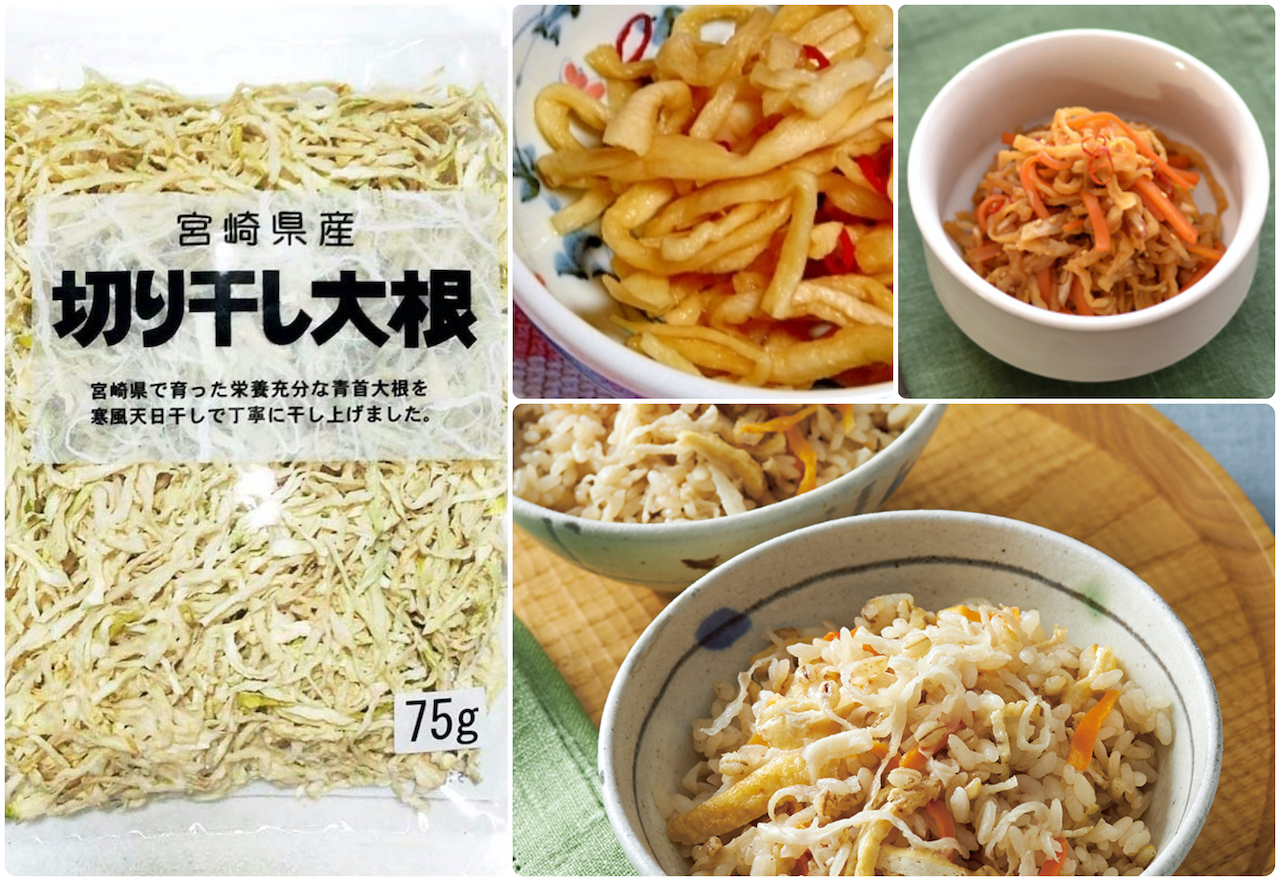
PROJECT Kiriboshi Daikon

Mar 16, 2024 | Kitchen PROJECTS, Year-Round

Cooking with KIRIBOSHI DAIKON in your kitchen.

This versatile ingredient can be used in soups, pickles, rice dishes and a variety of sides, too. Here are a few recipes to get you started:

Kogane Meshi, a takikomi-style rice dish

Granny’s Sun-Dried Radish, a stirfry-style side dish

Hari Hari-Zuké, a gingery sun-dried radish pickle
(KANSHA, Ten Speed Press), pg. 204

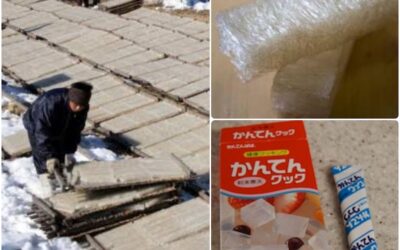
Packages of kiriboshi daikon are available outside Japan in most Asian groceries. It is best to buy sun-dried product, tenpi-boshi, rather than chemically dried radish so that the soaking liquid can be used as a stock. Check labels carefully. Or, download instructions to make your own  Home-Made Kiriboshi Daikon.


Want to know more about kiriboshi daikon? Check out the KITCHEN CULTURE blog

If you haven’t yet read my MARCH 2024 newsletter about kiriboshi daikon, check it out.
PROJECT Symbolic Pine

PROJECT Symbolic Pine

Because pine trees are hardy evergreens, they are a symbol of longevity and resilience in Japanese culture. As such they are a key motif used at New Year’s. Various foods are configured to resemble pine. Cones (matsukasa) and needles (matsuba) are the most frequently...

Katsura Muki, gossamer thin peels

Katsura Muki, gossamer thin peels

Daikon radish is peeled into long, seemingly impossibly thin ribbons in a cut known as katsura muki. The skill needed to produce these peels is the most basic requirement in any Japanese professional kitchen. It typically takes months (if not years) of daily practice...

PROJECT Katsura Muki

PROJECT Katsura Muki

This PROJECT is about learning to make katsura muki, a classic cutting technique in the traditional Japanese kitchen. When done properly, long, flowing, continuous and incredibly thin peels are produced from vegetables such as daikon radish, cucumbers and carrots. In...

Tsutsumu… wrapping, enveloping

Tsutsumu… wrapping, enveloping

Written with calligraphy for “bath” (furo 風呂) and “spread out” (shiki 敷) the word is rather curious for a piece of cloth. It seems the origins hark back to the Muromachi Period (1336-1573 AD) when Daimyo lords would spread out a cloth in which to wrap their clothing...

Recent Posts & Projects