
PROJECT Enjoying Junsai
潤菜料理 (junsai ryōri)
JUNSAI (water shield; Brasenia schreberi) grows naturally in lakes, ponds and slow streams in many parts of the world but only Japan and China have a long history of cultivating the plant as a food. Young, unfurled sprouts covered in slippery, transparent jelly, are especially prized by the Japanese.
Junsai can be enjoyed in soups, salads or as a topping for chilled noodles, sushi rice (easiest to eat as a gunkan wrapped in nori), tofu or egg custard.
Using the recipes below as a point of departure, create your own JUNSAI dish…
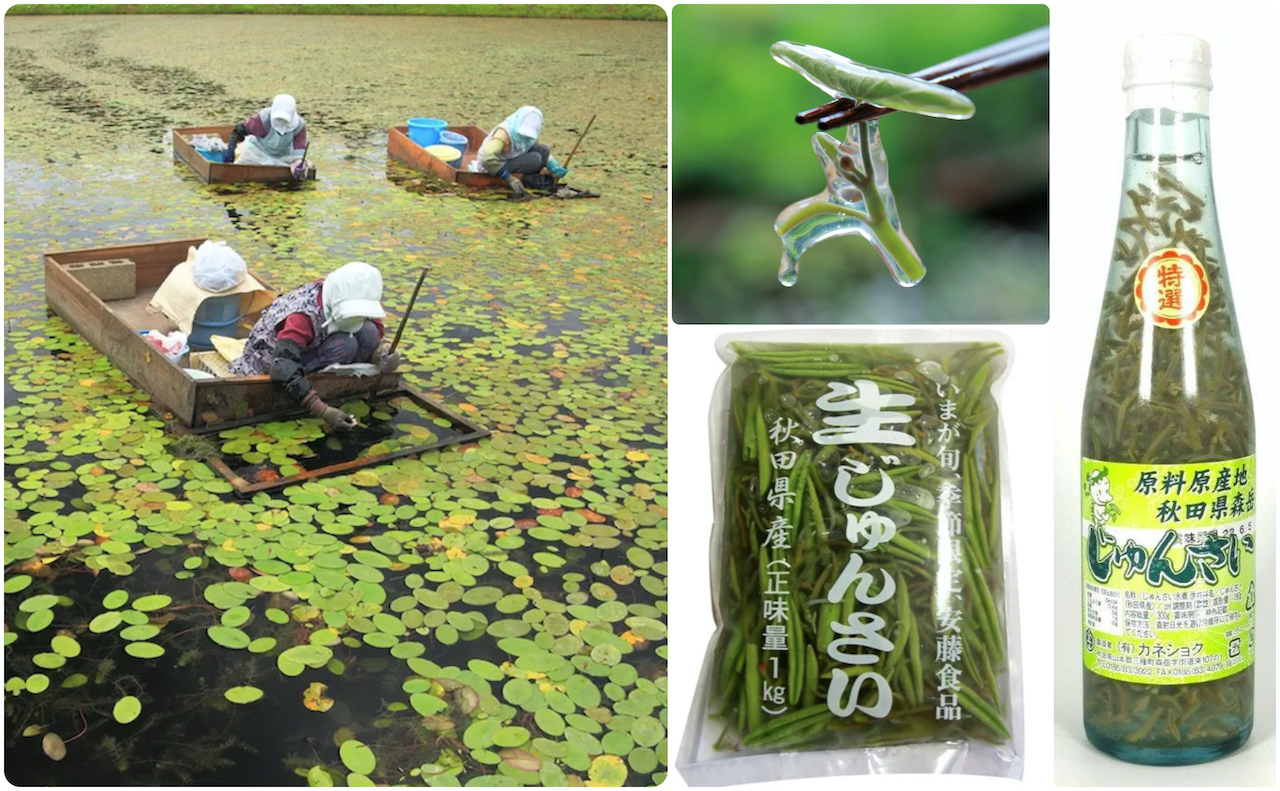
Prepping JUNSAI
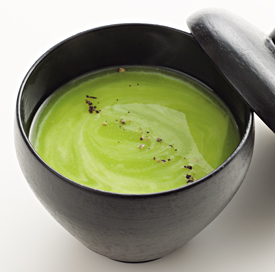
Chilled Tofu with Toppings
冷奴 hiya yakko, chilled blocks of tofu topped with junsai and okra enhanced by seasoned soy concentrate — either the VEGAN version or UMAMI Essence.

Junsai as a Topping for Tamago-Dofu Custard
玉子豆腐、じゅんさい添え
Make tamago-dofu custard according to instructions on page 285 of WASHOKU.
Spoon prepped junsai over each portion and drizzle with either Umami Essence OR Vegan Seasoned Soy Concentrate.
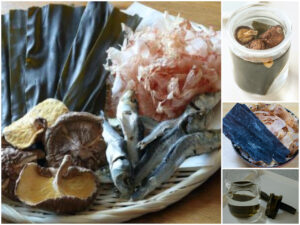
Standard Sea Stock (this recipe includes a variation known as oigatsuo or “extra smoky sea stock”) is made with kelp and fish flakes.
A simple vegan broth, Kelp Alone Stock is, as its name suggests, made from just kombu.
A more complex broth called Sankai Dashi is made from dried shiitake mushrooms and kelp.
Visit my Kitchen Culture blog to learn about JUNSAI, a summertime delicacy.
Read my June, 2024 newsletter about the texture of food, mouthfeel.