Persimmon Power

Oct 22, 2019 | Autumn, Kitchen Culture, Tabletop

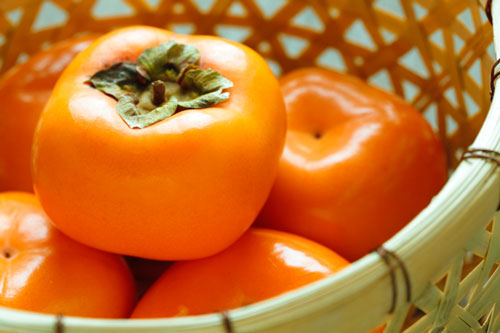
Fresh kaki persimmons

Kaki ga akaku naru to isha ga aoku naru” (as persimmons turn to orange, doctors turn green) is a Japanese saying similar to the American “an apple a day keeps the doctor away.” This adage attests to the powerhouse of nutrients found in ripe persimmon fruit: all kinds of phytonutrients, flavonoids, and antioxidants, such as catechins (known to have antibiotic and anti-inflammatory properties). Other powerful antioxidants found in persimmons include beta-carotene, lycopene, and lutein. The fruit is also mineral rich: potassium, manganese, copper and phosphorus.
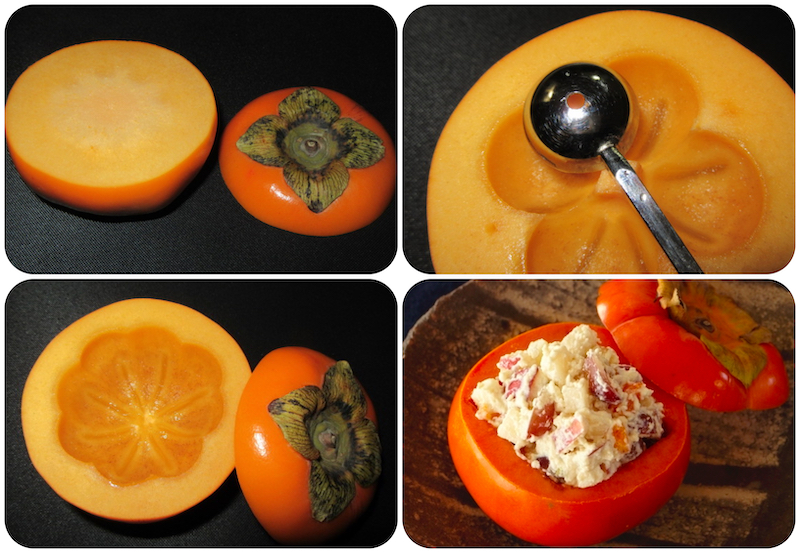
柿釜の白和え

Kaki Kama no Shira Aé

Ripe whole persimmons are scooped out and stuffed with a chunks of the persimmon fruit and briefly blanched chrysanthemum greens tossed in a creamy tōfu sauce called shira aé. The Japanese like to combine (naturally) sweet fruit with bitter greens — tossing the mixture in creamy tōfu binds the pieces together and mellows the disparate flavors.

DOWNLOAD recipe for SHIRA AE in Persimmon Shell

Oysters

Oysters

Throughout the world, oysters have been a popular food source since ancient times. Archeologic evidence in Japan, in the form of kaizuka (shell mounds), dates to the Jōmon period (14,000-300 BCE). Oysters had been abundant for millennia and harvested in their natural...

Kagami Mochi

Kagami Mochi

At New Years’ time, the Japanese decorate their homes with a special display called KAGAMI MOCHI. There are many regional variations on the theme but typically two large rounds of omochi rice taffy are stacked with a daidai 橙 (bitter orange) on top. The arrangement is...

Symbolic Pine

Symbolic Pine

Because pine trees are hardy evergreens, they are a symbol of longevity and resilience in Japanese culture. As such they are a key motif used at New Year’s. Various foods are configured to evoke the image of pine needles (matsuba 松葉 ) and pine cones (matsukasa 松笠 )....

Katsura Muki, gossamer thin peels

Katsura Muki, gossamer thin peels

Daikon radish is peeled into long, seemingly impossibly thin ribbons in a cut known as katsura muki. The skill needed to produce these peels is the most basic requirement in any Japanese professional kitchen. It typically takes months (if not years) of daily practice...

Recent Posts & Projects