PROJECT Rice Snacks

Jan 8, 2022 | Culture, Kitchen PROJECTS, Winter

PROJECT Rice Snacks

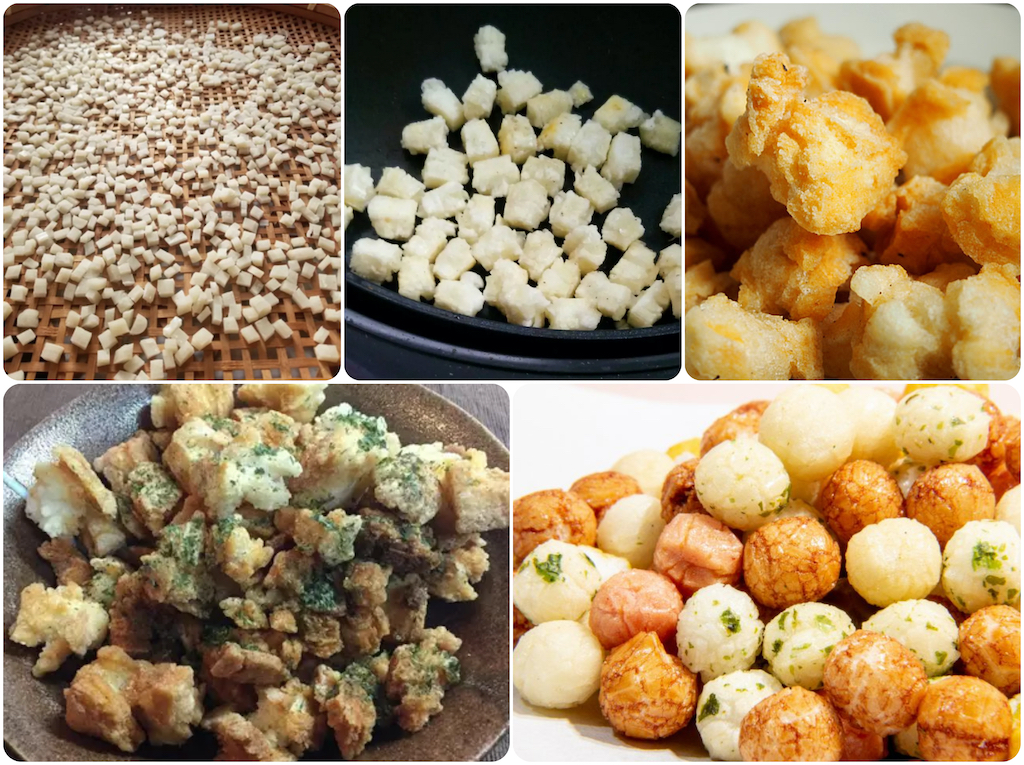
Crisp-and-Crunchy Rice Snacks are a delicious way to use up leftover omochi. Inevitably after the New Years holidays pieces of omochi remain uneaten. Dried and cracking they can be repurposed into tasty ARARÉ.

This Kitchen PROJECT is about making crisp-and-crunchy rice snacks in YOUR kitchen. Use the basic recipe (above) to make your own version of araré.

More information about New Year’s ceremonial rice cakes called kagami mochi and their connection to araré can be found on the Kitchen Culture blog post.
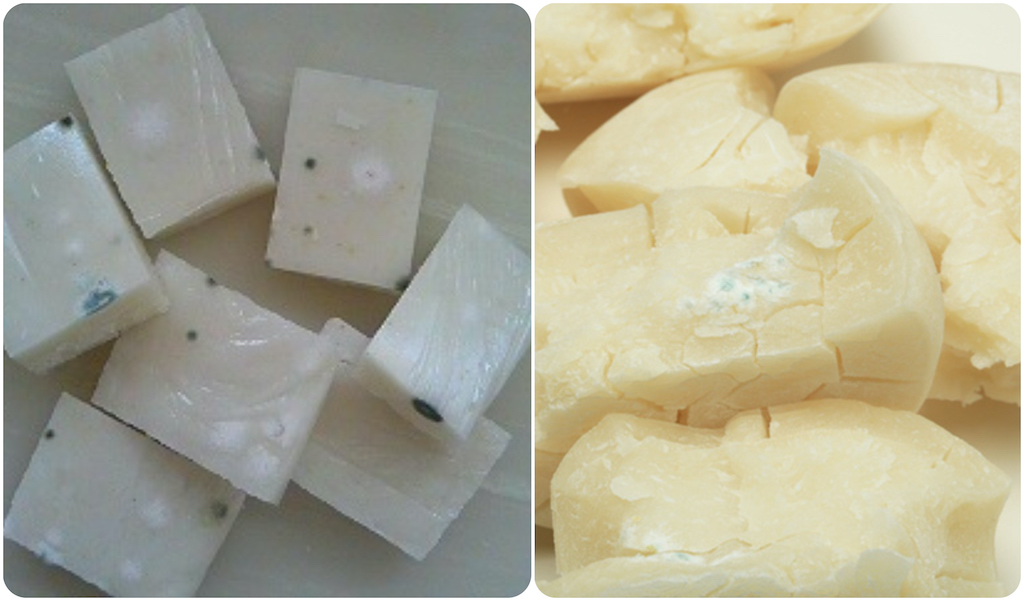
 

What about moldy omochi?

Japanese Granny-wisdom claims no harm will be done by cutting away the blue-green moldy spots that grow on omochi. Indeed, in the old days, ao kabi (blue mold) was cultivated for its medicinal (antibiotic) properties, placing it on open wounds to avoid infection. Anyone with allergies to penicillin (or similar antibiotics) should not eat omochi that has developed moldy spots.

Currently nutrition scientists in Japan advise the public NOT to eat omochi that has turned moldy, even after cutting away visible spots. It is difficult for non-professionals, they warn,  to determine the difference between harmful molds and benign ones merely by color. Heat (cooking), they add, does not render toxic molds harmless.
 

PROJECT Osozai Side Dishes

PROJECT Osozai Side Dishes

Food halls located in the basement level of Japan’s leading department stores carry an incredible array of fresh foods, packaged grocery items, and prepared take-out items. Japan's food halls are justly famous for their extensive, high-end comestibles. The savory...

Using Food Fully

Using Food Fully

Meals planned around a single ingredient prepared in many ways are referred to as tsukushi (or zukushi) 尽くし menus. The verb tsukusu means "to use, or consume, entirely." This no-waste approach is both a frugal and practical way to cook, making the most of what is...

The Language of Learning

The Language of Learning

Although we are all born with some innate capabilities, we also must LEARN in order to survive and thrive. Different cultures manage learning differently. The Japanese language has two verbs that can be used when talking about acquiring information and experience....

PROJECT Oysters

PROJECT Oysters

This project is about making two different oyster dishes: fried (kaki furai 牡蠣フライ) and simmered in miso (doté nabé 土手鍋). Recipes for both dishes begin with already shucked oyster meats. If you have purchased shucked oysters in a glass jar, carefully strain the liquid....

Recent Posts & Projects