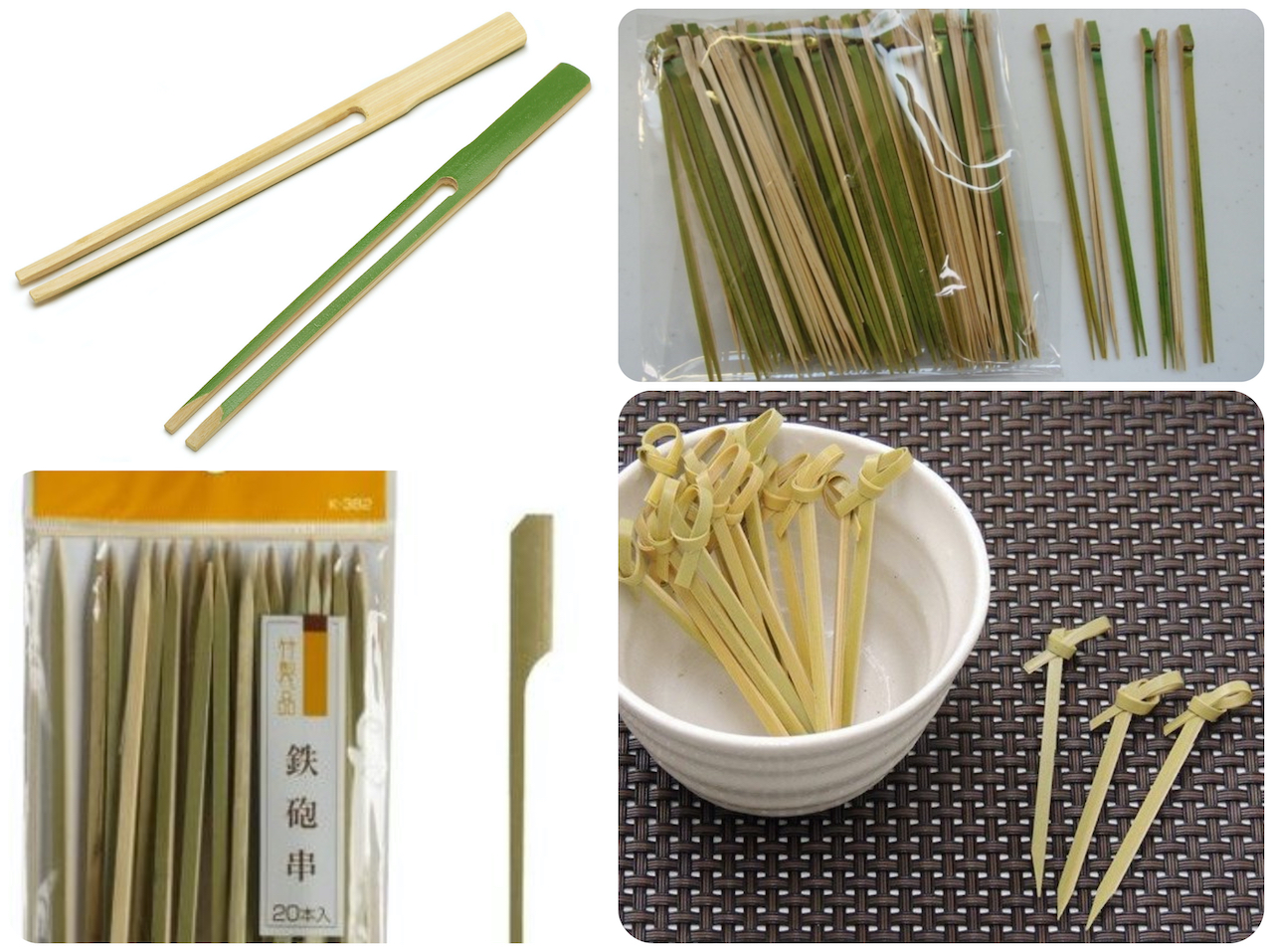
PROJECT Kushi (skewers)

Mar 17, 2022 | Kitchen PROJECTS, Tabletop, Tools & Techniques, Year-Round

PROJECT Kushi

This Kitchen PROJECT is about making SKEWERED FOOD in YOUR kitchen. For inspiration and recipes to get you started, use these resources:

Black Sesame Miso Tōfu Dengaku
Crunchy Kushi Agé

Fuki no Tō Miso Dengaku
(Vegan & Vegetarian Options) Oden Part One
Oden Part Two

In KANSHA: Miso-Slathered Nama Fu (page 148) and Miso Oden (page 171) and Mitarashi Dango (page 228)

The theme of my March 2022 newsletter is SKEWERS.
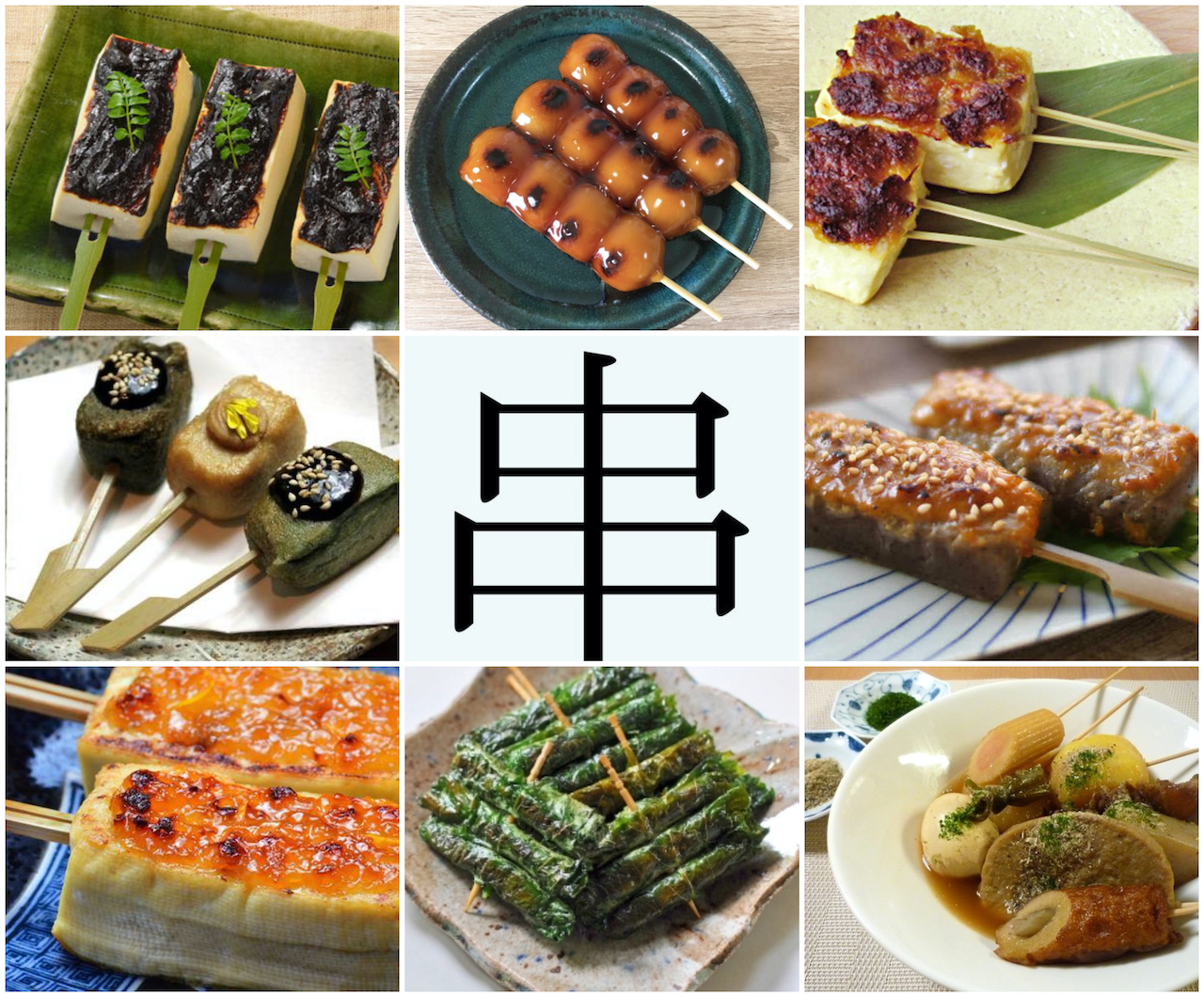
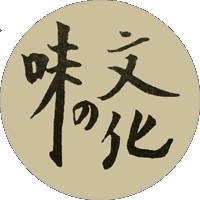
Japan’s repertoire of skewered foods is extensive; just a small sampling of savory options above (from upper right, clockwise; KUSHI calligraphy in the center):

Hatcho miso tōfu dengaku with kinomé garnish; mitarashi dango in soy syrup; Sendai miso tōfu dengaku; Sendai miso konnyaku dengaku with white poppy seed garnish; Shizuoka-style oden with ao nori and sanshō pepper; savory miso-and-walnut stuffed shiso maki; blended miso tōfu dengaku; green yomogi and blond awa fu dengaku with dark and light miso.

Visit the Kitchen Culture blog post for more information.
Kagami Mochi

Kagami Mochi

At New Years’ time, the Japanese decorate their homes with a special display called KAGAMI MOCHI. There are many regional variations on the theme but typically two large rounds of omochi rice taffy are stacked with a daidai 橙 (bitter orange) on top. The arrangement is...

Symbolic Pine

Symbolic Pine

Because pine trees are hardy evergreens, they are a symbol of longevity and resilience in Japanese culture. As such they are a key motif used at New Year’s. Various foods are configured to evoke the image of pine needles (matsuba 松葉 ) and pine cones (matsukasa 松笠 )....

PROJECT Symbolic Pine

PROJECT Symbolic Pine

Because pine trees are hardy evergreens, they are a symbol of longevity and resilience in Japanese culture. As such they are a key motif used at New Year’s. Various foods are configured to resemble pine. Cones (matsukasa) and needles (matsuba) are the most frequently...

Katsura Muki, gossamer thin peels

Katsura Muki, gossamer thin peels

Daikon radish is peeled into long, seemingly impossibly thin ribbons in a cut known as katsura muki. The skill needed to produce these peels is the most basic requirement in any Japanese professional kitchen. It typically takes months (if not years) of daily practice...

Recent Posts & Projects