Five ways to use fermented fish sauce
There are lots of ways of using fish sauce. Here are a few popular examples:
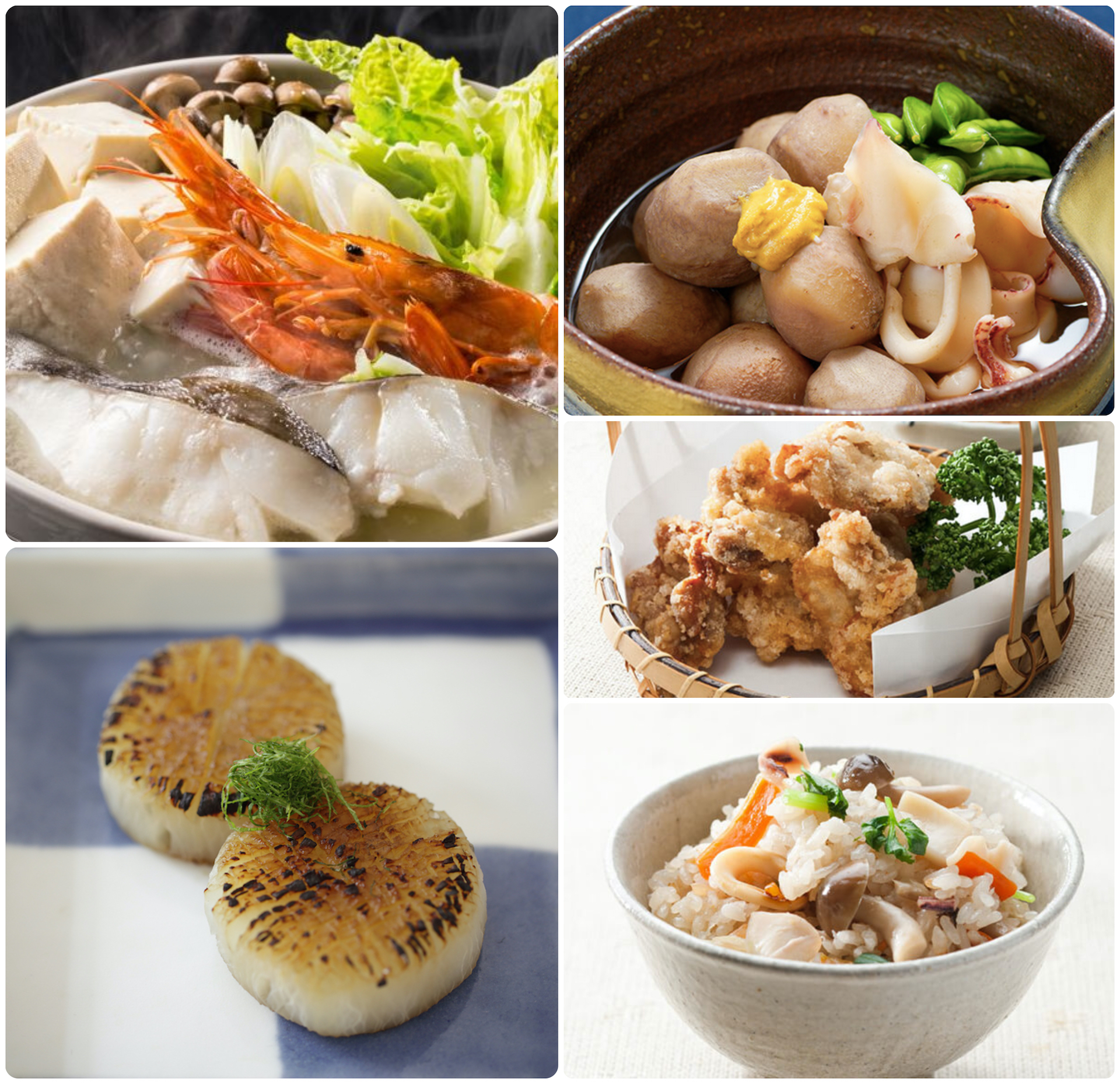
(top, left) NABÉMONO (hot pots that get assembled ahead and simmered at table) are often made with a seasoned broth. IKANAGO NABÉ seasoned with funky ikanago shoyu, is brimming with fish, seafood, tofu and vegetables.
(bottom, left) A few drops of ishiri fish sauce added to the pot as daikon simmers imbues it with deep flavor. The tender-simmered daikon is then brushed with ishiri sauce and broiled. Daikon no Ishiri Yaki, multi-textured and richly flavored.
(top, right) NIMONO (simmered or stewed dishes) are yet another way of cooking with fish sauce Here, potatoes and squid are stewed in an ishiri-laced broth; a dab of mustard adds a spicy accent.
(center, right) Here, fish sauce was used to marinate chicken before dredging it in cornstarch and deep-frying. This dish is known as Tatsuta Agé, a reference to the burnished color of autumnal maples along the Tatsuta River in Nara Prefecture.
(bottom, right) Here, fish sauce has been used to make takikomi gohan. Takikomi is a method using seasoned broth instead of water to cook rice. When squid-based ishiri fish sauce is used, the dish is called ISHIRI GOHAN (click to download).
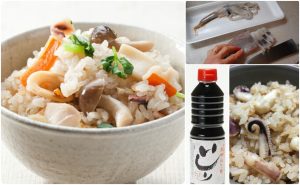
Using this recipe for ISHIRI GOHAN as a point of departure, create your own dish using ishiri or one of the other fermented fish sauces described in the post Funky Fish Sauces.
Check out the latest post to
KITCHEN CULTURE:
Funky Fish Sauces
Check out my FEBRUARY 2024 newsletter
all about Funky Fish Sauce.