PROJECT Cooking with Bamboo Shoots
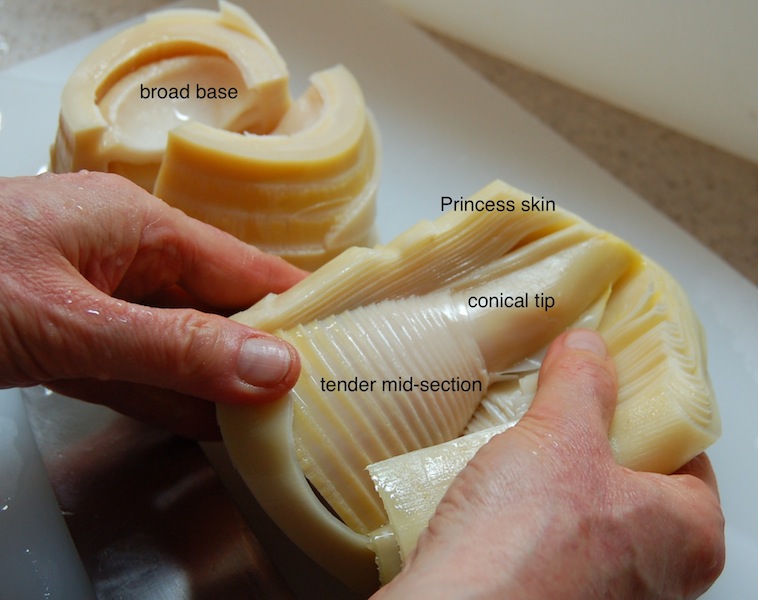
A single bamboo shoot has different segments, each with a different texture and flavor profile.
The BROAD BASE is best suited to cutting into circular slabs, half-moon slices, or chunks. Try slathering these with miso and broiling to make dengaku... or soy-glazing them, teriyaki style. The broad base can also be sliced into batons or matchsticks for stir-frying, or small dice for simmering and saucing.
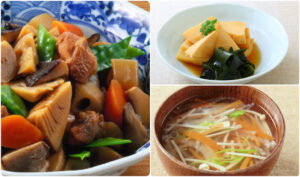
The TENDER MID-SECTION is usually sliced into comb-patterned wedges called kushi-gata, in Japanese. These wedges can be used to make takénoko gohan (rice cooked with bamboo shoots)… or to simmer with wakamé, or stir-fry or braise with meat and other vegetables (such as Chikuzen Ni).
The CONICAL TIP is most often sliced into thin kushi-gata wedges and floated in clear osumashi soup, or simmered with wakamé.
PRINCESS SKIN is delicate and tender, best shredded for clear soups or sauced with tart plum to make bainiku aé, or peppery sanshō leaves to make kinomé aé, or smoky bonito flakes to make okaka aé.
In addition there are many suggestions, and recipes, in KANSHA: Celebrating Japan’s Vegan and Vegetarian Traditions (see page 94).
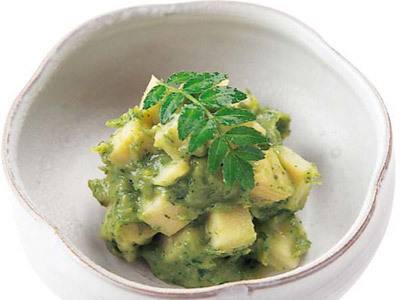
Takénoko Kinomé Aé
One way to enjoy bamboo shoots is to dress it in a peppery-citrusy sauce made from crushed kinomé leaves and sweet light miso. Download the recipe.
Download this reference sheet for details regarding sanshō (pepper plant) and kinomé (peppery leaves).
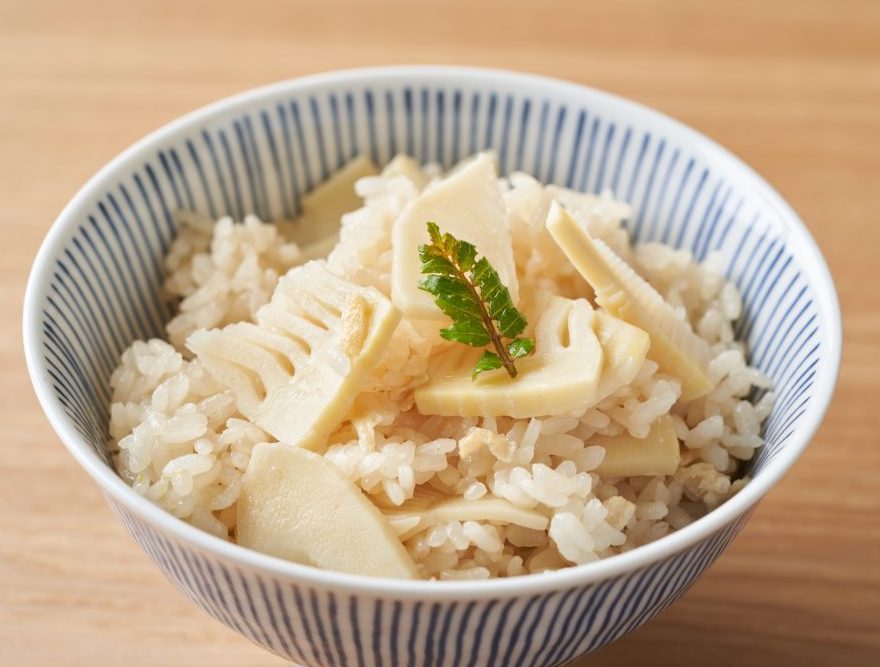
Takénoko Gohan
Many versions of this springtime classic add thin strips of abura agé (fried tōfu) to the sliced bamboo to boost nutrition and provide a pleasantly chewy texture that contrasts to the tender-crisp shoots. Most often a touch of spiciness is added as a garnish just before serving — ki no mé (sprig from the sanshō pepper plant)
Visit Kitchen Culture blog to learn about FRESH BAMBOO SHOOTS.
Download instructions for preparing them from scratch.
Read my April 2024 newsletter.