PROJECT Grandchildren are Kind
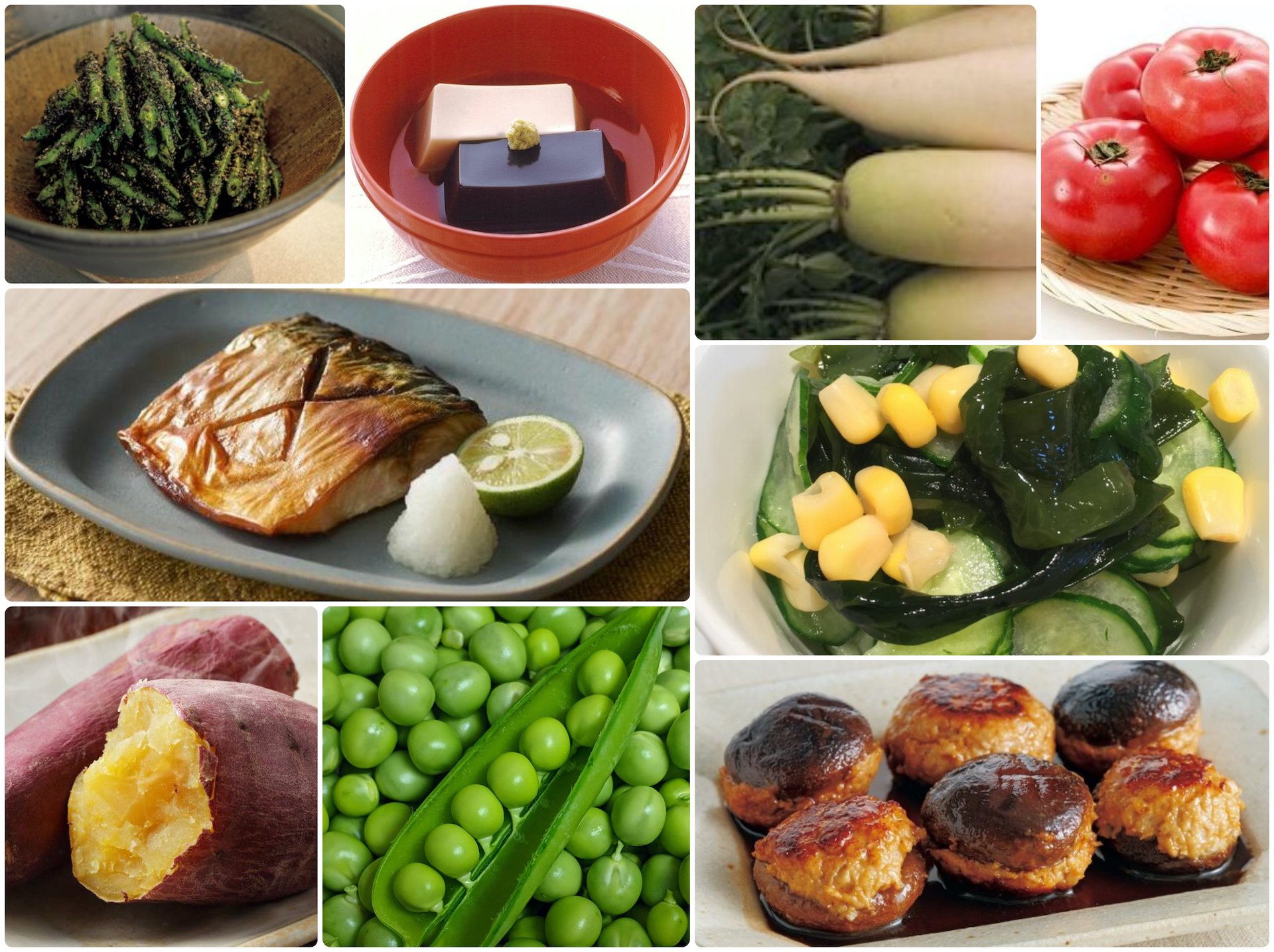
Grandchildren are Kind (mago wa yasashii 孫は優しい) is an acronym that helps Japanese remember the seven food groups that help support a healthy diet.
The food groups are: beans (mame), sesame (goma and other seeds and nuts) sea vegetables (wakame), leafy greens and root vegetables (yasai), fish and seafood (sakana), shiitake and other fungi, and potatoes (imo rui).
To jump-start your project, here are some recipes for a variety of sea vegetables (wakame, hijiki, arame), bean (tofu) dishes, and (air-dried) fish.
Sea Vegetables
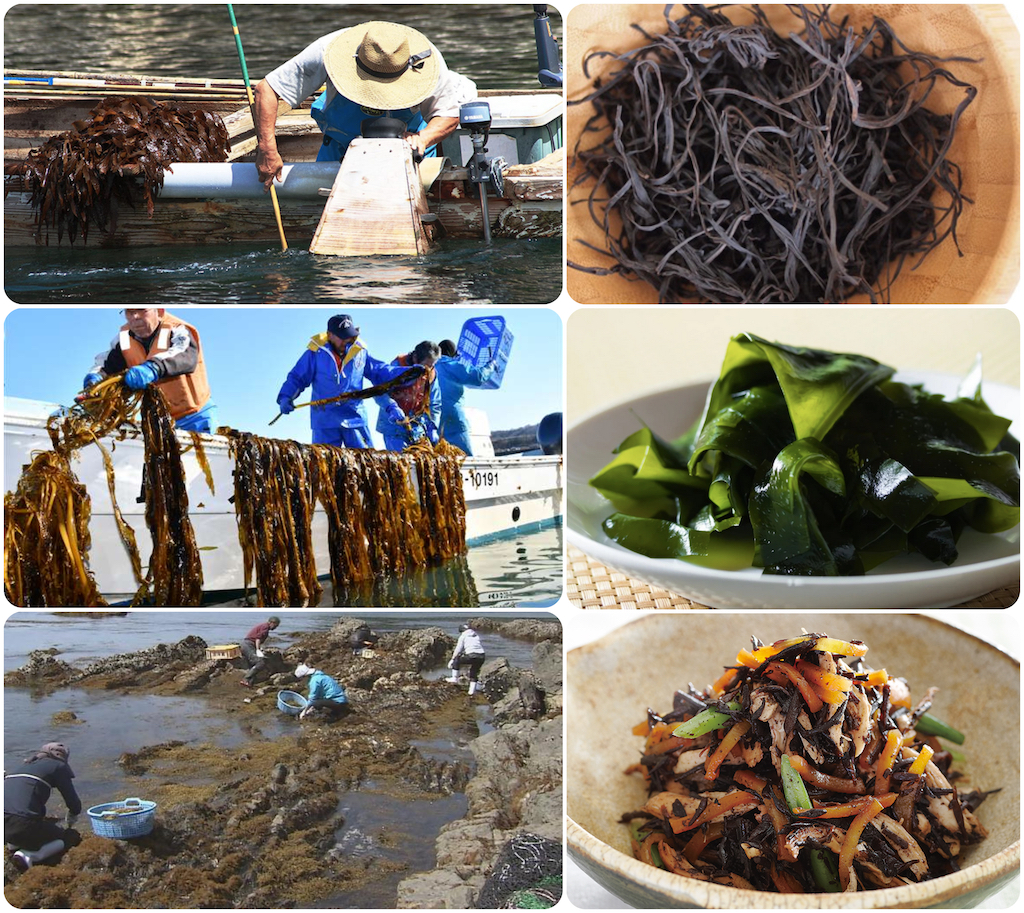
海藻類 kaisō rui
Visit Project Bounty of the Seas for lots of recipes using sea vegetables such as ARAMÉ, WAKAMÉ, and HIJIKI.
Chilled Tofu with Toppings
冷奴 hiya yakko, chilled blocks of tofu topped with various seasonings — the simplest maybe a dab of wasabi — and enhanced by seasoned soy concentrate (either the VEGAN version or UMAMI Essence.)
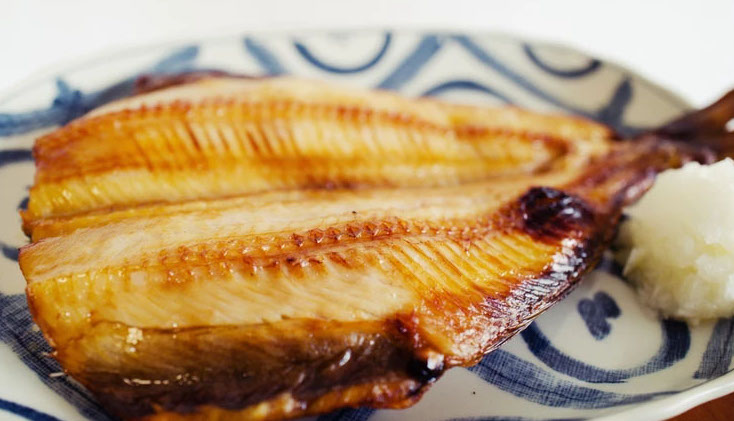
Himono (dried fish)
干物 himono
Drying fish was an old-fashioned way of extending shelf life before refrigeration was widely available. 一夜干し ichiya-boshi (literally, “overnight-dried”) are dried for hours in cool evening and night-time breezes while 天日干し tenpi-boshi (literally, “sunlight-dried”) are dried for an hour or so mid-day.
Find out more about preparing and enjoying these sorts of fish in this post from my archives.
To learn more about health-promoting MA-GO-WA-YA-SA-SHI-I menus
visit my Kitchen Culture blog and read my July, 2024 newsletter.