PROJECT Setting the Autumn Table

Sep 5, 2024 | Autumn, Kitchen PROJECTS, Tabletop

Setting the Table, Setting the Stage

This PROJECT is about setting the table… to set the stage for autumn’s culinary pleasures.

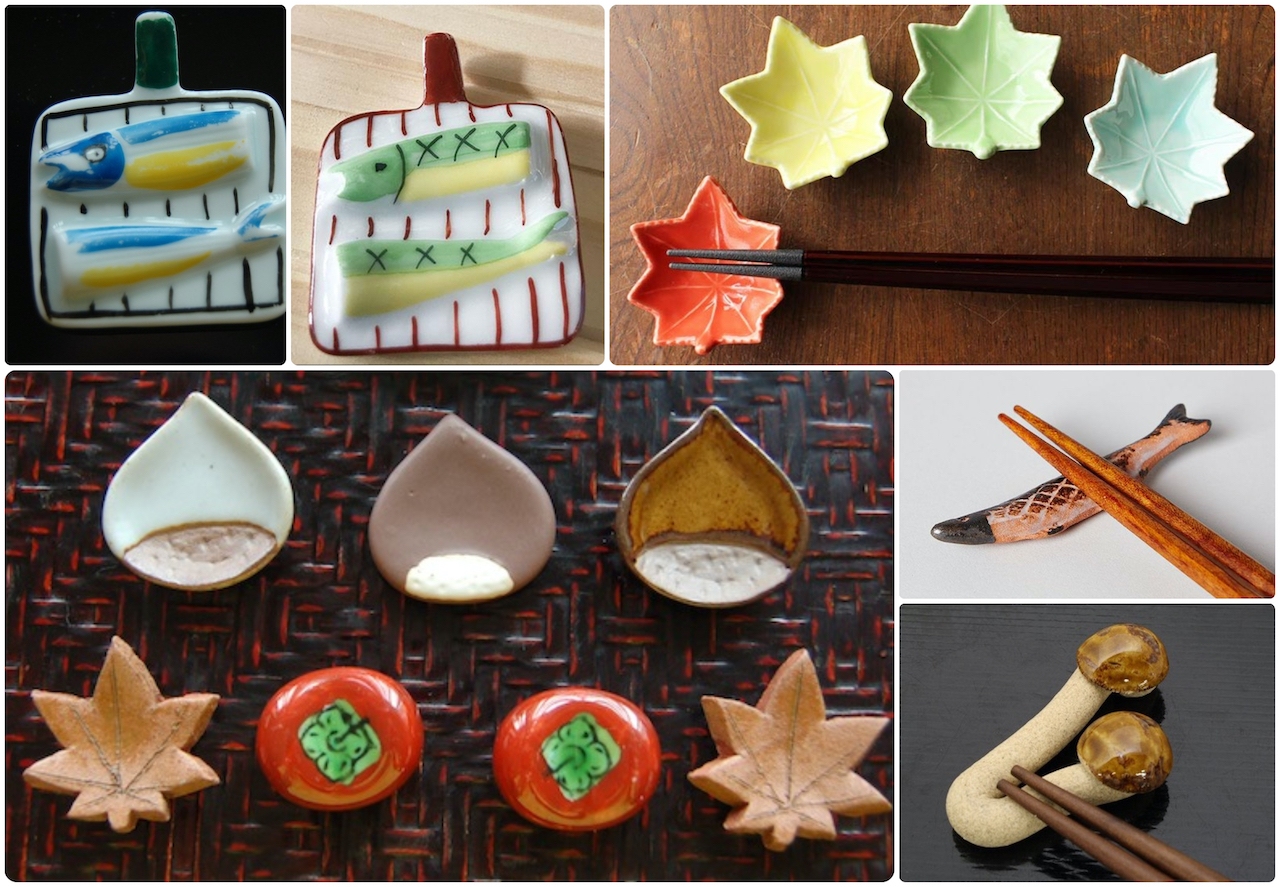
One simple and fun way to do this is by choosing fall-themed HASHI OKI (choptsick rests). Pictured above are a few of the options: autumnal maple leaves, chestnuts, shimeji mushrooms, persimmons, and SANMA fish.

Do you have any hashi oki ? If not, you can craft some HASHI-BUKURO (sheaths) from origami (folded paper) or other paper.
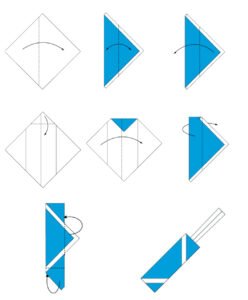
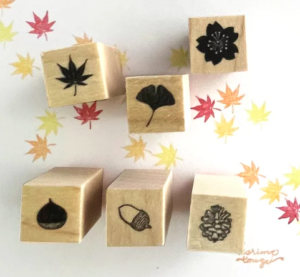
You can further enhance these hashi-bukuro by drawing images of seasonal motifs on them, or use stamps or stickers to decorate the sheaths.
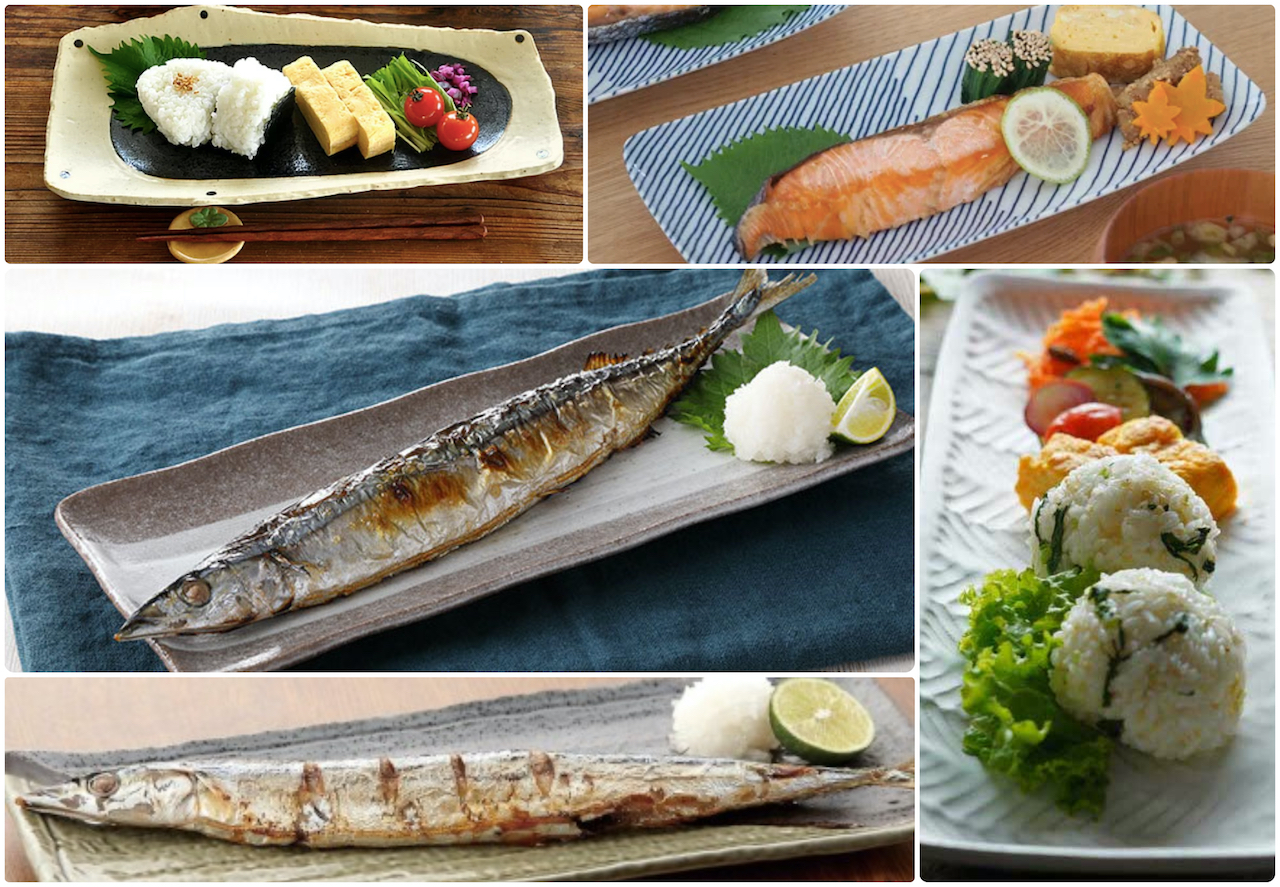
 

Long, narrow plates are known as SANMA-ZARA (秋刀魚皿) because they are used to plate whole grilled sanma fish. Sanma-zara are also a great way to showcase clusters of food.


To learn more about SANMA fish, one of Japan’s autumnal culinary pleasures visit my Kitchen Culture blog and read my September, 2024 newsletter.
PROJECT Symbolic Pine

PROJECT Symbolic Pine

Because pine trees are hardy evergreens, they are a symbol of longevity and resilience in Japanese culture. As such they are a key motif used at New Year’s. Various foods are configured to resemble pine. Cones (matsukasa) and needles (matsuba) are the most frequently...

Katsura Muki, gossamer thin peels

Katsura Muki, gossamer thin peels

Daikon radish is peeled into long, seemingly impossibly thin ribbons in a cut known as katsura muki. The skill needed to produce these peels is the most basic requirement in any Japanese professional kitchen. It typically takes months (if not years) of daily practice...

PROJECT Katsura Muki

PROJECT Katsura Muki

This PROJECT is about learning to make katsura muki, a classic cutting technique in the traditional Japanese kitchen. When done properly, long, flowing, continuous and incredibly thin peels are produced from vegetables such as daikon radish, cucumbers and carrots. In...

Tsutsumu… wrapping, enveloping

Tsutsumu… wrapping, enveloping

Written with calligraphy for “bath” (furo 風呂) and “spread out” (shiki 敷) the word is rather curious for a piece of cloth. It seems the origins hark back to the Muromachi Period (1336-1573 AD) when Daimyo lords would spread out a cloth in which to wrap their clothing...

Recent Posts & Projects