Thanksgiving Rituals in Japan

Nov 19, 2024 | Autumn, Holiday, Kitchen Culture

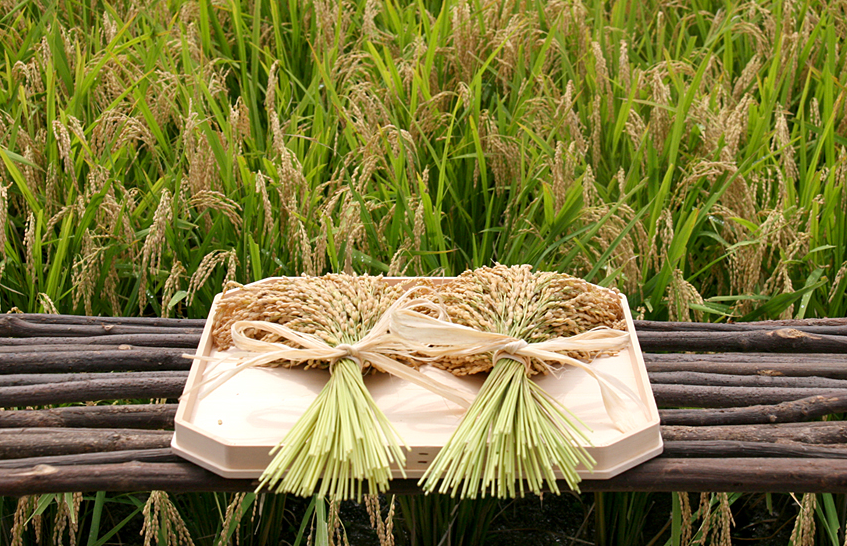
In Japan, rice is more than just sustenance. It holds symbolic and sacred significance. Rice yield was also a measurement of wealth during the Edo Period (1603-1868).

Early records of rituals celebrating the harvest and entreating future prosperity, called nii namé sai can be found in the Nihon Shoki (The Chronicles of Japan, 720 AD), the second-oldest book of classical Japanese history. Today, nii namé sai “thanksgiving” celebrations take place in Shrines throughout Japan on or about November 29th.

Nii namé sai celebrations were the origin of today’s national holiday, Kinrō Kansha no Hi, observed on November 23. It celebrates labor and production and thanks those in our communties for their daily efforts.
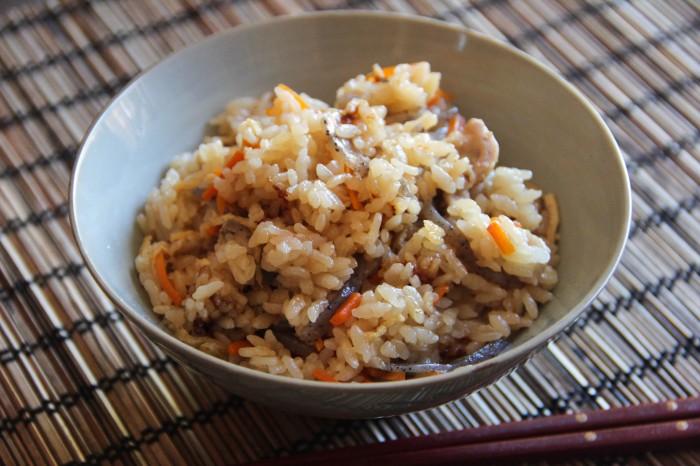
I chose to feature KAYAKU GOHAN, rice cooked with bits of vegetables in a flavorful broth, as this month’s recipe because it exemplifies the spirit of culinary kansha (gratitude) embodied in so many thanksgiving rituals worldwide.

To find out more about this dish and a recipe for making it, visit PROJECT Kayaku Gohan.

And, to find out more about Thanksgiving rituals in Japan, read my November, 2024 newsletter.

 

Using Food Fully

Using Food Fully

Meals planned around a single ingredient prepared in many ways are referred to as tsukushi (or zukushi) 尽くし menus. The verb tsukusu means "to use, or consume, entirely." This no-waste approach is both a frugal and practical way to cook, making the most of what is...

The Language of Learning

The Language of Learning

Although we are all born with some innate capabilities, we also must LEARN in order to survive and thrive. Different cultures manage learning differently. The Japanese language has two verbs that can be used when talking about acquiring information and experience....

Oysters

Oysters

Throughout the world, oysters have been a popular food source since ancient times. Archeologic evidence in Japan, in the form of kaizuka (shell mounds), dates to the Jōmon period (14,000-300 BCE). Oysters had been abundant for millennia and harvested in their natural...

Kagami Mochi

Kagami Mochi

At New Years’ time, the Japanese decorate their homes with a special display called KAGAMI MOCHI. There are many regional variations on the theme but typically two large rounds of omochi rice taffy are stacked with a daidai 橙 (bitter orange) on top. The arrangement is...

Recent Posts & Projects