Pine as a symbol of longevity and resilience
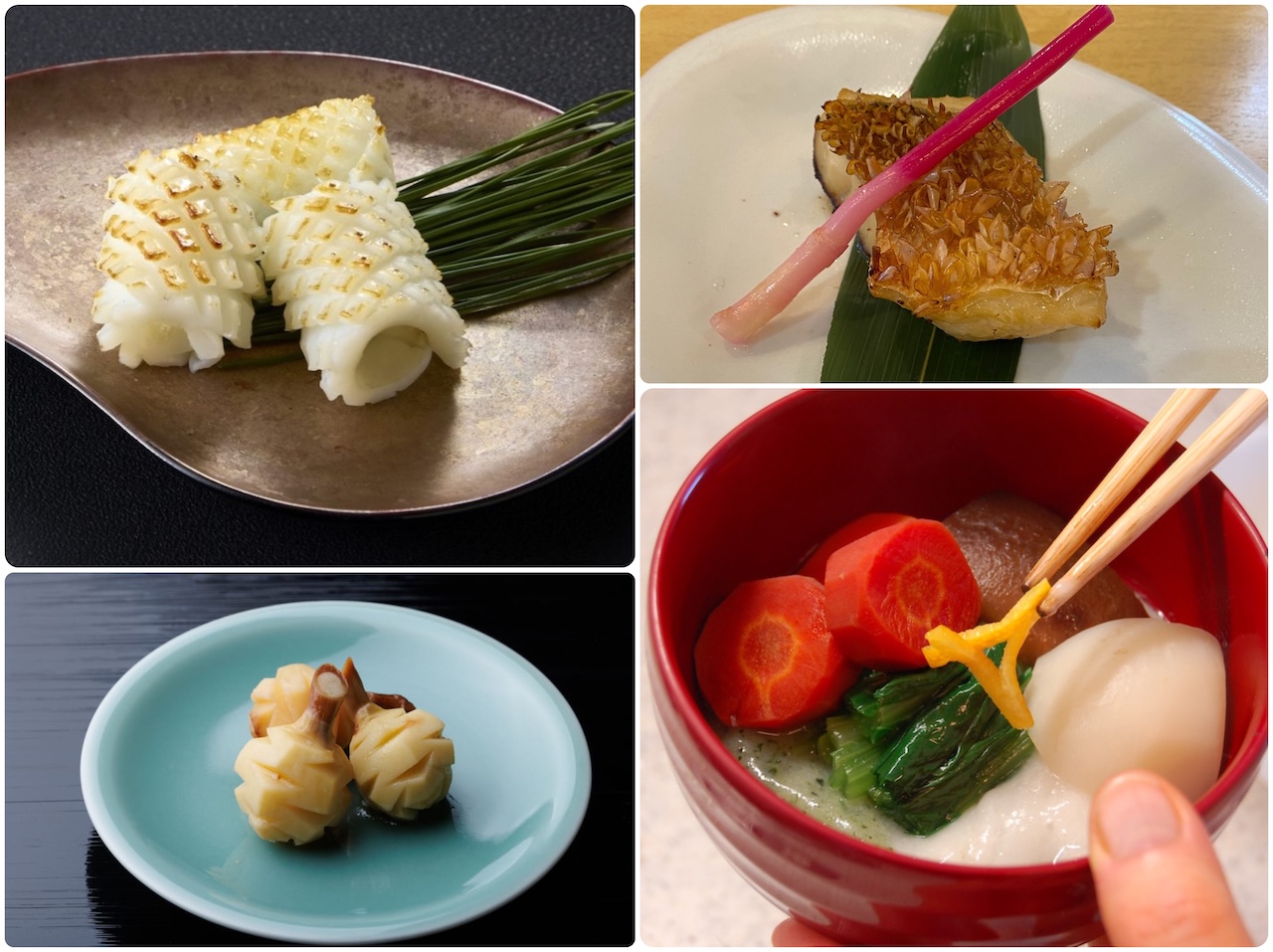
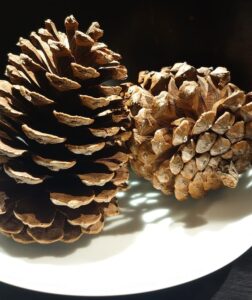
Because pine trees are hardy evergreens, they are a symbol of longevity and resilience in Japanese culture. As such they are a key motif used at New Year’s. Various foods are configured to resemble pine. Cones (matsukasa) and needles (matsuba) are the most frequently used motifs.
Clockwise from upper right: matsukasa squid (Skinless squid is scored, brushed with soy sauce and briefly scorched to look like a pine cone); matsukasa snapper (Hot oil is poured over filleted fish with the scales intact. The scales shrivel to a crunchy finish mimicking the appearance of a pinecone); matsukasa kuwai water chestnuts are carved to resemble pine cones before being simmered in soy-and-mirin tinged dashi; matsuba, yuzu peel is cut to suggest a bent pine needle and used as a garnish for ozōni soup.
Yuzu Peel Pine Needles
Matsuba 松葉
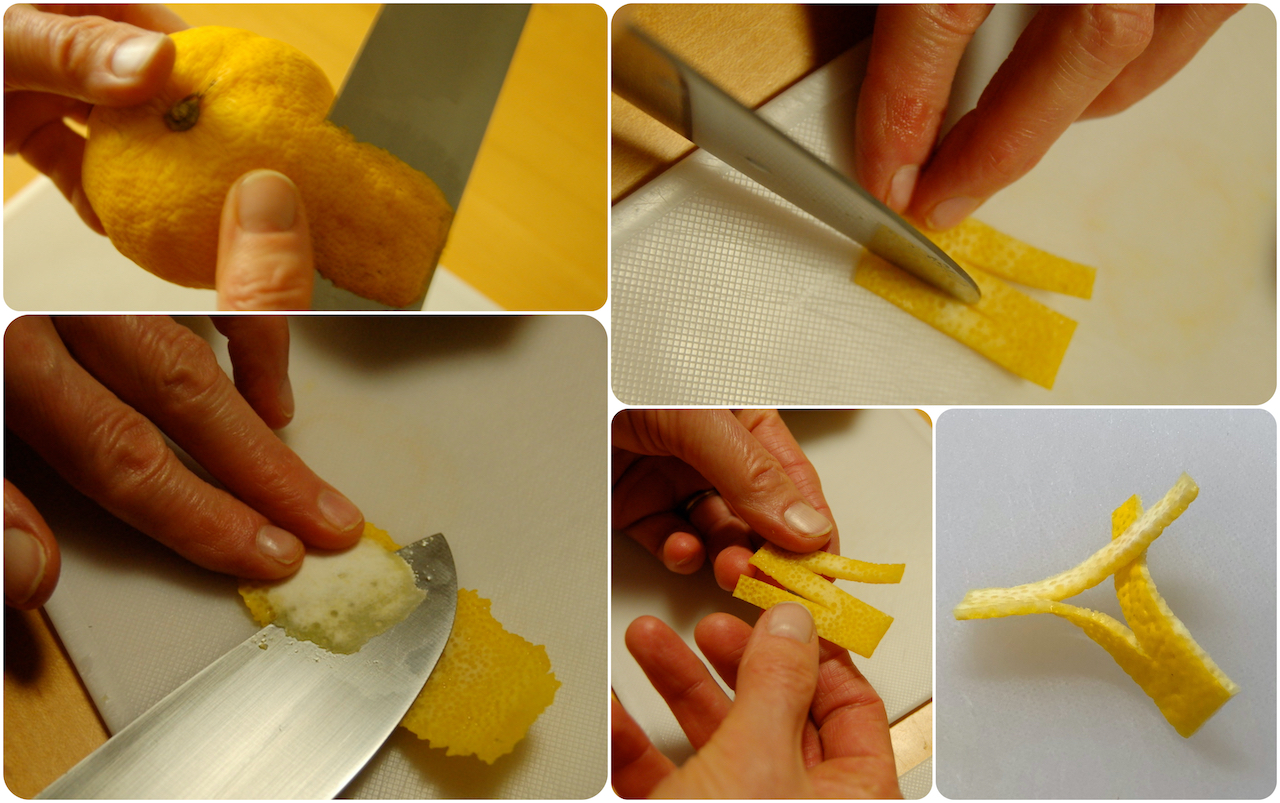
Cut yuzu (or another citrus fruit) peel into stylized pine needles (matsuba). For each garnish, remove a broad strip of peel, about 1-inch (2.5 cm) long. Remove any pith and trim to make a rectangle.
Insert 2 slits, parallel to each other but starting from opposite ends. Depending upon how you view this, it will look like the letter N or the letter Z. Take the two open ends of the peel and twist, hooking them in place.
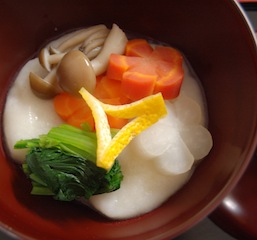
This garnish adds an aromatic seasonal touch to New Year’s soup called ozōni.
関西風お雑煮
Kansai-fū Ozōni
Classic Kansai Ozōni
Matsukasa Ni 鶏の松笠煮
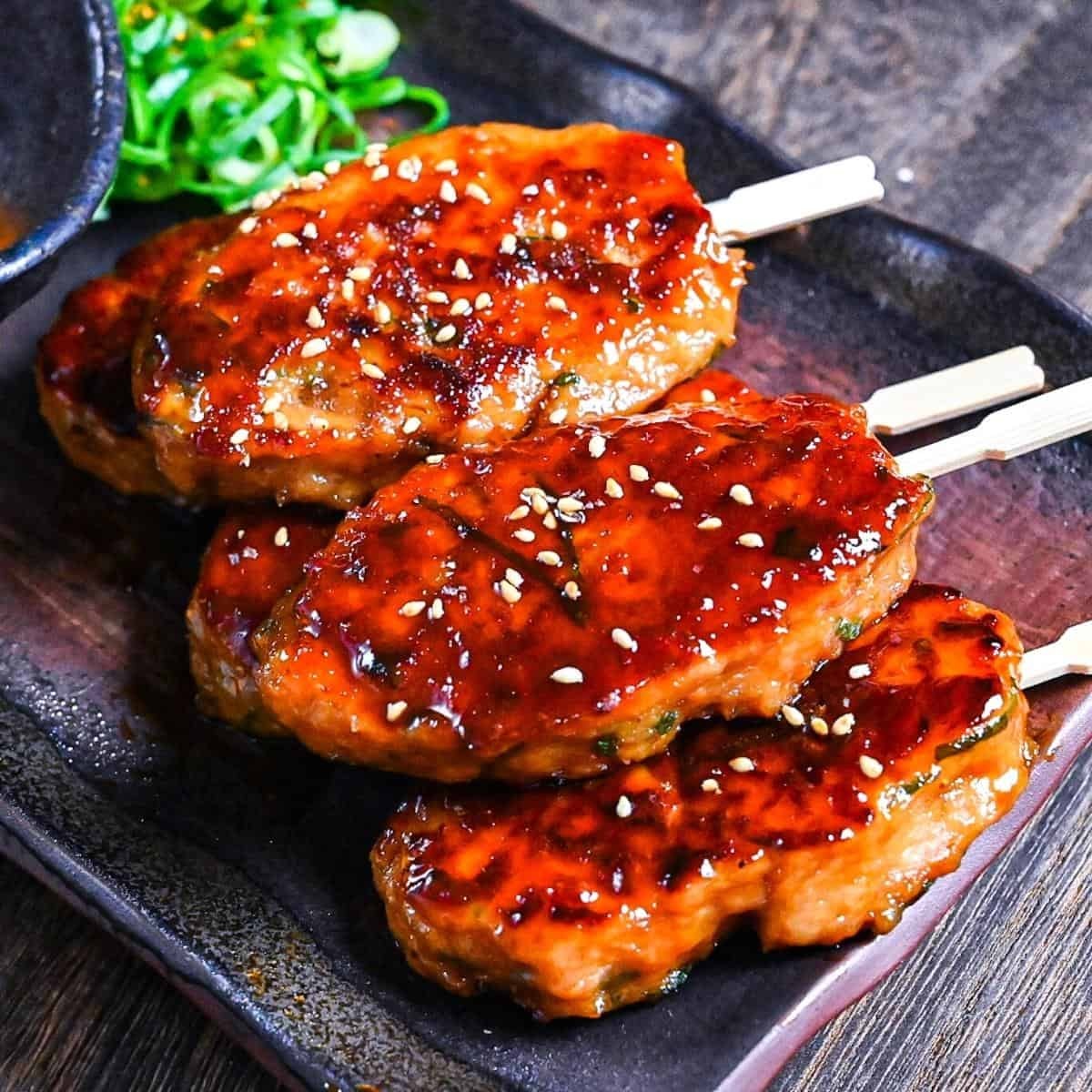
Pinecone Patties (Soy-Glazed Minced Chicken)
Addictively delicious, these chicken patties are seasoned with miso, ginger, scallions and/or grated garlic to eliminate any possible gaminess. The meat mixture is shaped into oval patties and lightly scored to mimic the appearance of pinecones.
Download a copy of my December 2025 newsletter about Symbolic Pine.
To learn more about symbolism evoking pine, visit the Symbolic Pine Kitchen Culture page.