Green Tea

May 1, 2020 | Spring, Year-Round

Green Teas

緑茶 RYOKU CHA

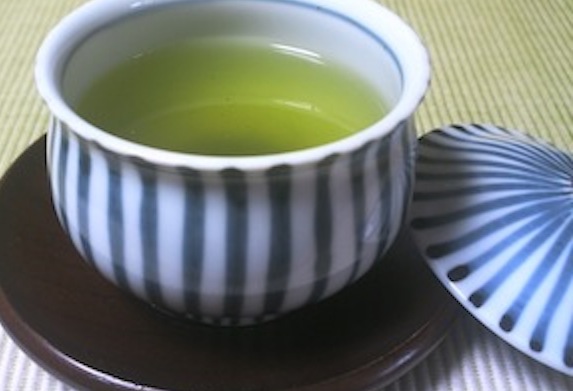
Green teas are green because enzymes responsible for oxidization have been prevented from doing their (dark and discoloring) work.

The Japanese halt oxidation by steaming freshly picked leaves, while the Chinese typically pan-fire or roast tea leaves to achieve similar results. The steaming process accentuates latent vegetal, grassy and herbaceous overtones in tea — qualities that are prized by the Japanese. In much the same way that wine enthusiasts throughout the world eagerly anticipate the arrival of Beaujolais nouveau, tea connoisseurs everywhere keenly await Japanese shin cha (new tea) at market.
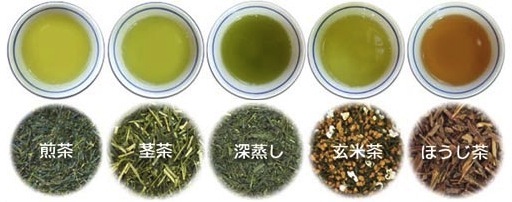
煎茶           SENCHA (leaf tea)
茎茶           KUKI CHA (stem tea)
深むし茶    FUKAMUSHI CHA (deep-steamed to stabilize)
玄米茶       GENMAI CHA (green tea mixed with roasted rice)
焙じ茶       HŌJI CHA (roasted green tea)

Find out more about these teas and how to brew them…
DOWNLOAD GREEN TEA brewing details 

The Language of Learning

The Language of Learning

Although we are all born with some innate capabilities, we also must LEARN in order to survive and thrive. Different cultures manage learning differently. The Japanese language has two verbs that can be used when talking about acquiring information and experience....

Oysters

Oysters

Throughout the world, oysters have been a popular food source since ancient times. Archeologic evidence in Japan, in the form of kaizuka (shell mounds), dates to the Jōmon period (14,000-300 BCE). Oysters had been abundant for millennia and harvested in their natural...

Kagami Mochi

Kagami Mochi

At New Years’ time, the Japanese decorate their homes with a special display called KAGAMI MOCHI. There are many regional variations on the theme but typically two large rounds of omochi rice taffy are stacked with a daidai 橙 (bitter orange) on top. The arrangement is...

Symbolic Pine

Symbolic Pine

Because pine trees are hardy evergreens, they are a symbol of longevity and resilience in Japanese culture. As such they are a key motif used at New Year’s. Various foods are configured to evoke the image of pine needles (matsuba 松葉 ) and pine cones (matsukasa 松笠 )....

Recent Posts & Projects