Cold Noodles Part Two: SOBA

Jul 1, 2020 | Kitchen Culture, Year-Round

COLD NOODLES: Part TWO
そば・蕎麦・SOBA

Most soba noodles are made from 80% soba (buckwheat) flour and 20% wheat flour; these are known as hachi wari soba (literally 80% soba). If you wish to make your noodle dish gluten-free you will need to buy jū wari soba, noodles made with 100% soba flour. Read labels carefully. To help you, DOWNLOAD this Guide to cooking Japanese SOBA Noodles
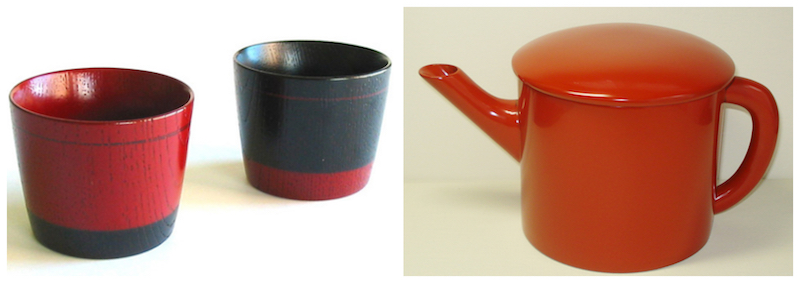
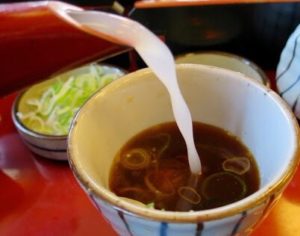
UTENSILS for SERVING JAPANESE SOBA NOODLES

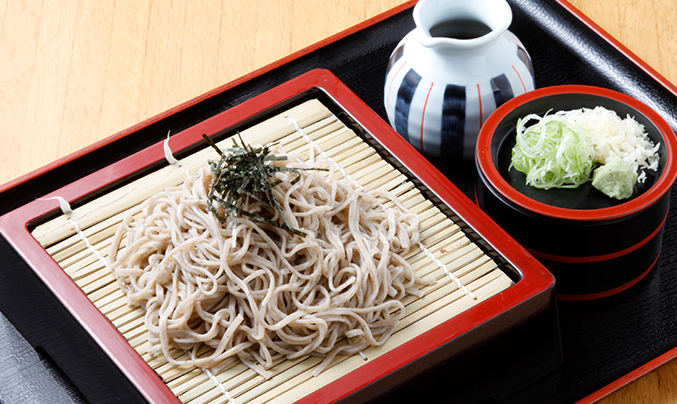
Soba is most often served on ZARU 笊 plates lined with a slatted mat that helps to drain away excess moisture. Nutrient-rich soba yu water leftover from cooking soba is served in special long-spouted pitchers. Dipping sauce in soba choko cups is thinned with this water and drunk as a broth after eating the noodles.

Make your own CLASSIC Japanese ZARU SOBA & MORI SOBA
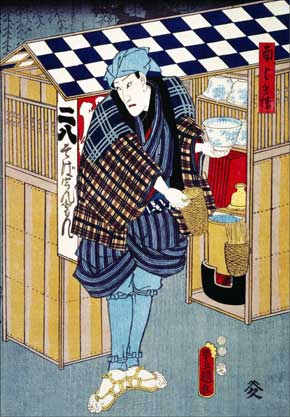
The origins of SOBA

Curious about the origins of soba noodles? Read about it in my July 2020 Taste of Culture newsletter.

Using Food Fully

Using Food Fully

Meals planned around a single ingredient prepared in many ways are referred to as tsukushi (or zukushi) 尽くし menus. The verb tsukusu means "to use, or consume, entirely." This no-waste approach is both a frugal and practical way to cook, making the most of what is...

The Language of Learning

The Language of Learning

Although we are all born with some innate capabilities, we also must LEARN in order to survive and thrive. Different cultures manage learning differently. The Japanese language has two verbs that can be used when talking about acquiring information and experience....

Oysters

Oysters

Throughout the world, oysters have been a popular food source since ancient times. Archeologic evidence in Japan, in the form of kaizuka (shell mounds), dates to the Jōmon period (14,000-300 BCE). Oysters had been abundant for millennia and harvested in their natural...

Kagami Mochi

Kagami Mochi

At New Years’ time, the Japanese decorate their homes with a special display called KAGAMI MOCHI. There are many regional variations on the theme but typically two large rounds of omochi rice taffy are stacked with a daidai 橙 (bitter orange) on top. The arrangement is...

Recent Posts & Projects