NANBAN-ZUKÉ

Sep 1, 2020 | Kitchen Culture, Tools & Techniques, Year-Round

NANBAN-ZUKÉ  南蛮漬け

(Southern Barbarian Style Fried-and-Pickled Fish)

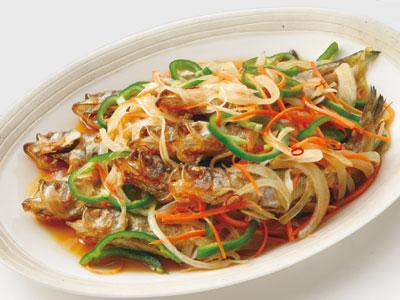
NANBAN refers to the Portuguese, the “southern barbarians” who settled in the port of Nagasaki, Kyushu late in the 16th century. In addition to Christianity and trade, these early Portuguese visitors brought with them escabeche, a fried and pickled seafood delicacy popular in their homeland.

The Japanese adapted it to their tastes, using a variety of small fish such as smelts (wakasagi) and baby horse mackerel (mamé aji). Nanban-zuké, food prepared in the southern barbarian style, remains popular today in Japan. A vegan version of the fish dish is made with eggplant and called NASU NANBAN
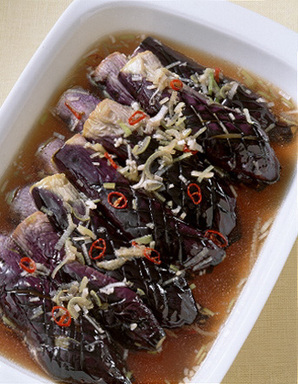
NASU NANBAN-ZUKÉ  茄子南蛮漬け   (Sour-and-Spicy Eggplants, Southern Barbarian Style)
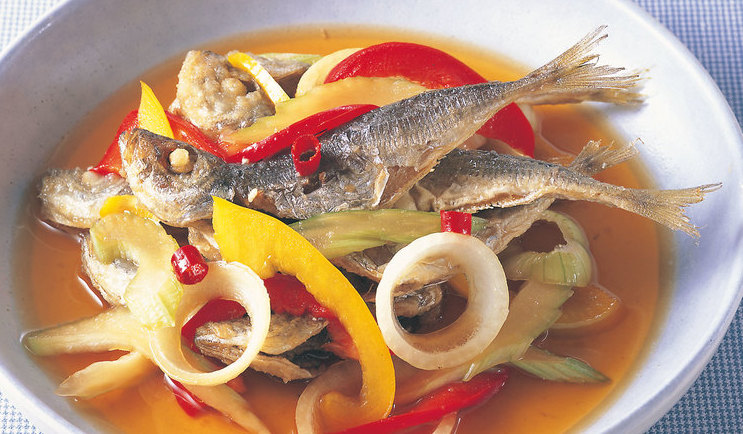
NANBAN-ZUKÉ FISH

DOWNLOAD instructions for making Southern Barbarian Style, Fried and Pickled Fish
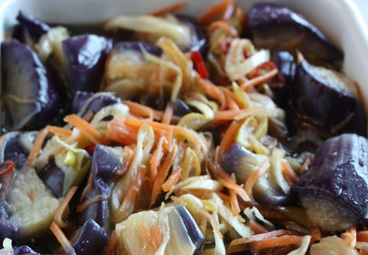
NANBAN-ZUKÉ EGGPLANT

SEA STOCK

DOWNLOAD instructions for making Standard Sea Stock

Osozai Side Dishes

Osozai Side Dishes

Modern households everywhere are challenged with balancing a desire to eat healthfully with limited time to prepare meals. In Japan, the food industry’s response has been to offer a vast assortment of prepared foods for sale through various outlets: convenience...

Using Food Fully

Using Food Fully

Meals planned around a single ingredient prepared in many ways are referred to as tsukushi (or zukushi) 尽くし menus. The verb tsukusu means "to use, or consume, entirely." This no-waste approach is both a frugal and practical way to cook, making the most of what is...

The Language of Learning

The Language of Learning

Although we are all born with some innate capabilities, we also must LEARN in order to survive and thrive. Different cultures manage learning differently. The Japanese language has two verbs that can be used when talking about acquiring information and experience....

Oysters

Oysters

Throughout the world, oysters have been a popular food source since ancient times. Archeologic evidence in Japan, in the form of kaizuka (shell mounds), dates to the Jōmon period (14,000-300 BCE). Oysters had been abundant for millennia and harvested in their natural...

Recent Posts & Projects