Kenchin-Jiru Chunky Chowder

Oct 8, 2021 | Autumn, Kitchen Culture

けんちん汁
KENCHIN-JIRU

Chunky Vegetable & Tōfu Chowder

When autumn evenings turn chilly, its time for a hearty, nourishing chowder.

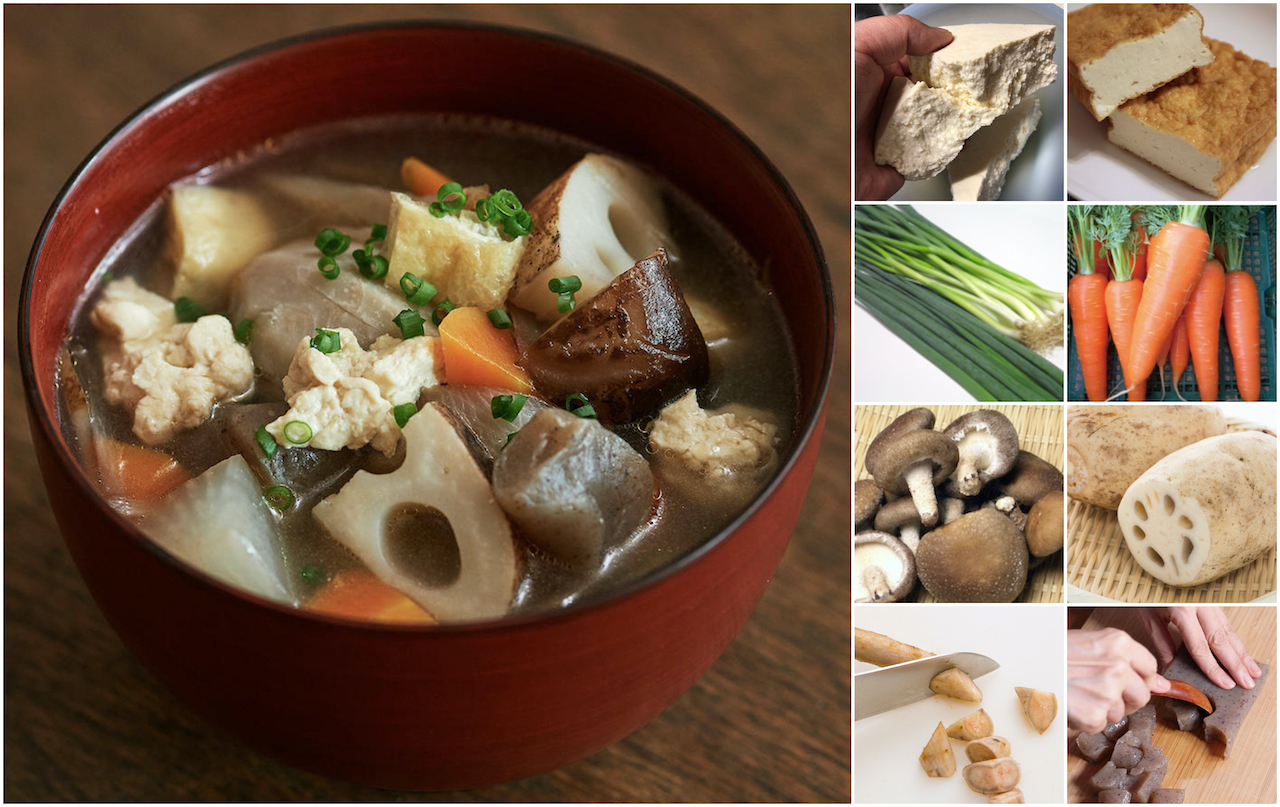
The inspiration for this one, kenchin-jiru, is thought to be resourceful monks at Kenchō-ji Temple (建長寺) in Kamakura. Utilizing vegetable scraps and bits of tōfu in various forms, most temples in Japan have their own version of kenchin chowder.

Not only at temples, but nearly every household and casual eatery in Japan serves a similar soup brimming with vegetables and tōfu. Some will have a clear broth, others will be thickened and seasoned with miso.

Use this BASIC RECIPE to create your own house version of Kenchin-jiru.

Looking for more suggestions on how to take this master recipe and expand your soup repetoire? Visit PROJECT Chunky Chowder.
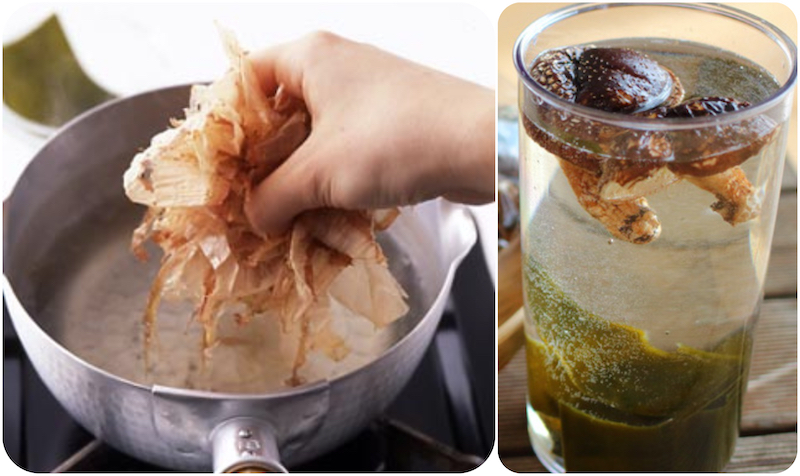
Kenchin-jiru can be kept strictly vegan by using either Kelp Alone Stock or a mushroom-enriched version called Sankai Dashi (literally Mountain-Sea Stock).

Or, if you prefer, use a Standard Sea Stock that includes smoky katsuo-bushi fish flakes in addition to kelp.
Symbolic Pine

Symbolic Pine

Because pine trees are hardy evergreens, they are a symbol of longevity and resilience in Japanese culture. As such they are a key motif used at New Year’s. Various foods are configured to evoke the image of pine needles (matsuba 松葉 ) and pine cones (matsukasa 松笠 )....

Katsura Muki, gossamer thin peels

Katsura Muki, gossamer thin peels

Daikon radish is peeled into long, seemingly impossibly thin ribbons in a cut known as katsura muki. The skill needed to produce these peels is the most basic requirement in any Japanese professional kitchen. It typically takes months (if not years) of daily practice...

Tsutsumu… wrapping, enveloping

Tsutsumu… wrapping, enveloping

Written with calligraphy for “bath” (furo 風呂) and “spread out” (shiki 敷) the word is rather curious for a piece of cloth. It seems the origins hark back to the Muromachi Period (1336-1573 AD) when Daimyo lords would spread out a cloth in which to wrap their clothing...

Escape the Lingering Heat

Escape the Lingering Heat

The ancient, lunar-based koyomi almanac marks the start of autumn with risshū 立秋. When hot weather continues beyond that time, the phenomenon is referred to as zansho 残暑, literally "lingering heat." On the Gregorian calendar, this year (2025) risshū arrived on August...

Recent Posts & Projects