Elusive Taste of Spring: URUI

Apr 22, 2022 | Kitchen Culture, Spring

うるい・Urui
The Elusive Taste of Spring

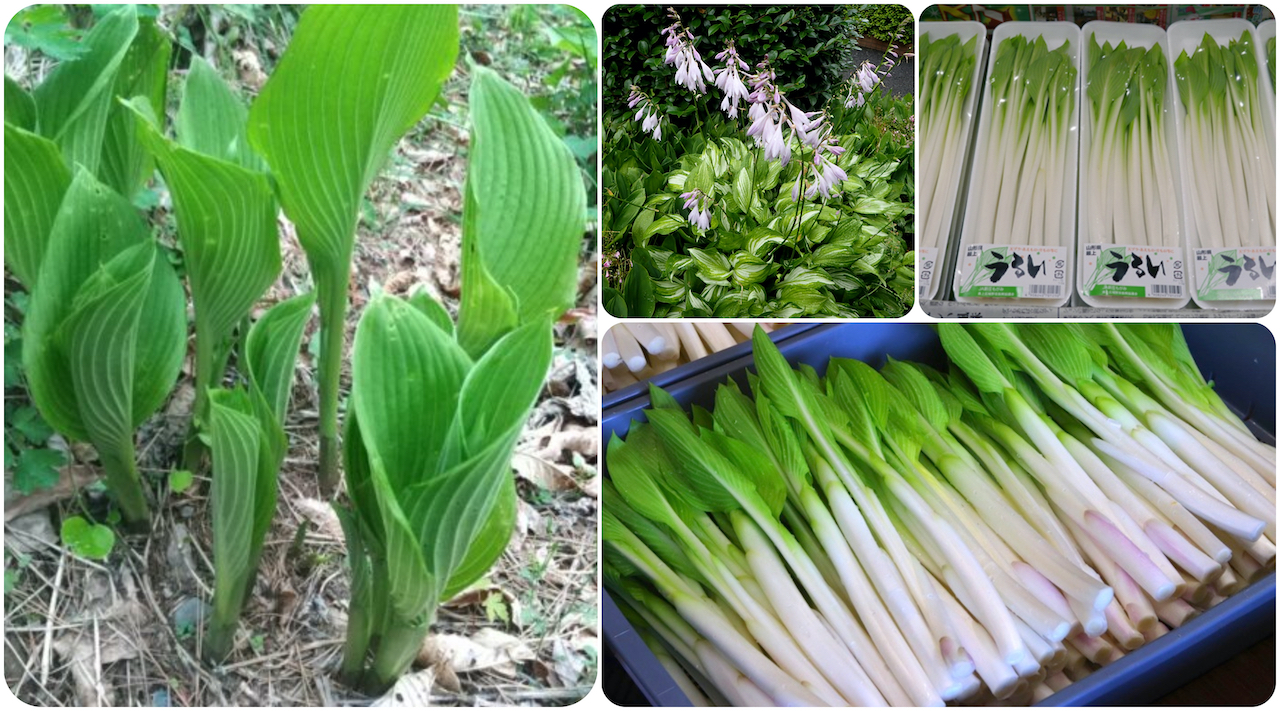
Urui (Hosta sieboldiana) is in the lily family; it is often planted as an ornamental in gardens. It thrives in damp soil in areas of partial or dappled shade. It has been cultivated in Japan since the Edo period (1603-1868) though young shoots of wild urui have been foraged for food for thousands of years. In Japan, urui is a sign of spring to be savored at table.
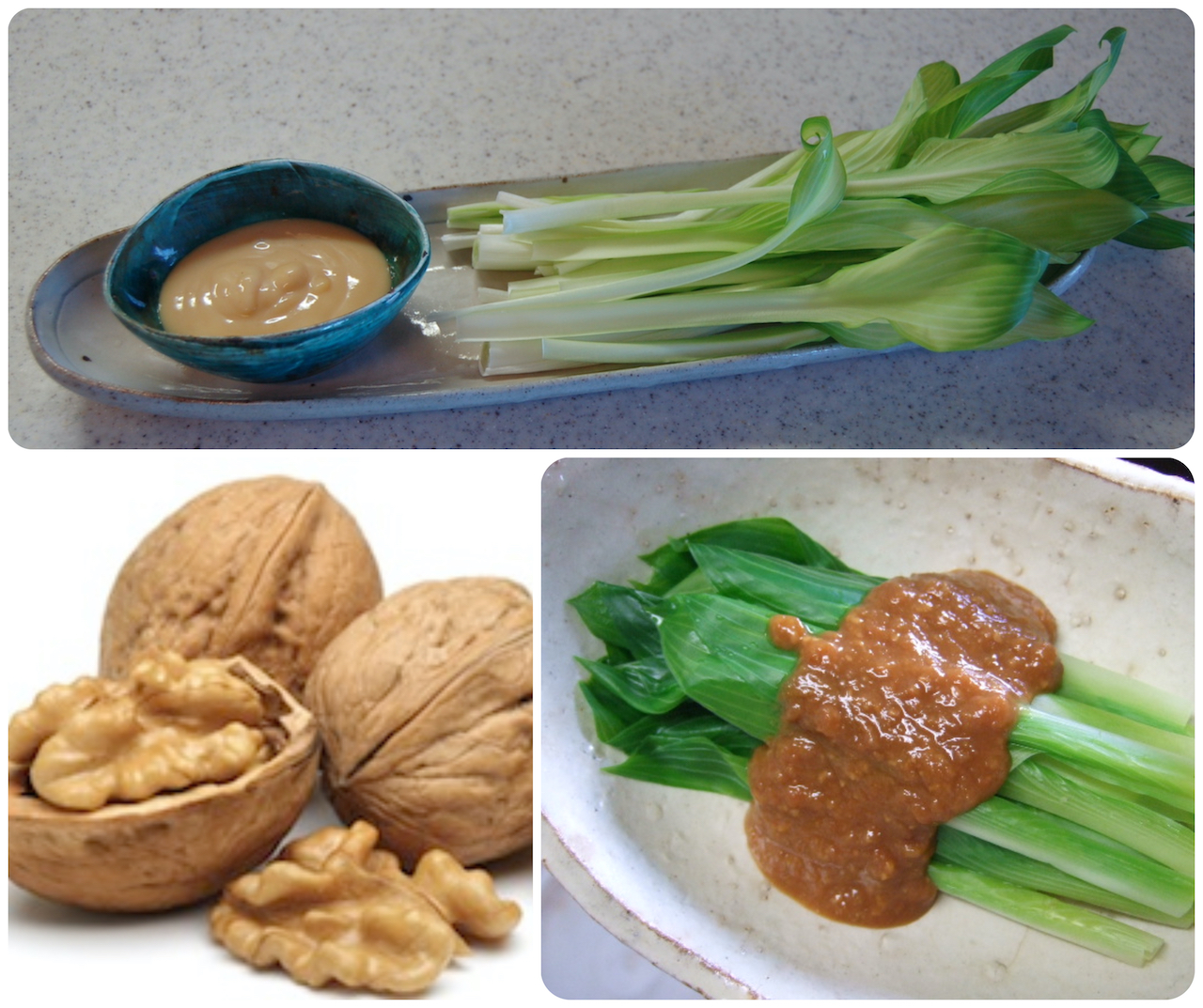
Urui with Tangy Su Miso
うるい酢味噌
Urui with Kurumi Miso
胡桃味噌


Either, or both, of these flavored miso mixtures can become a dip sauce for urui. Or, use the sauces to toss and dress urui.

Download a recipe for URUI with Two Miso Sauces.
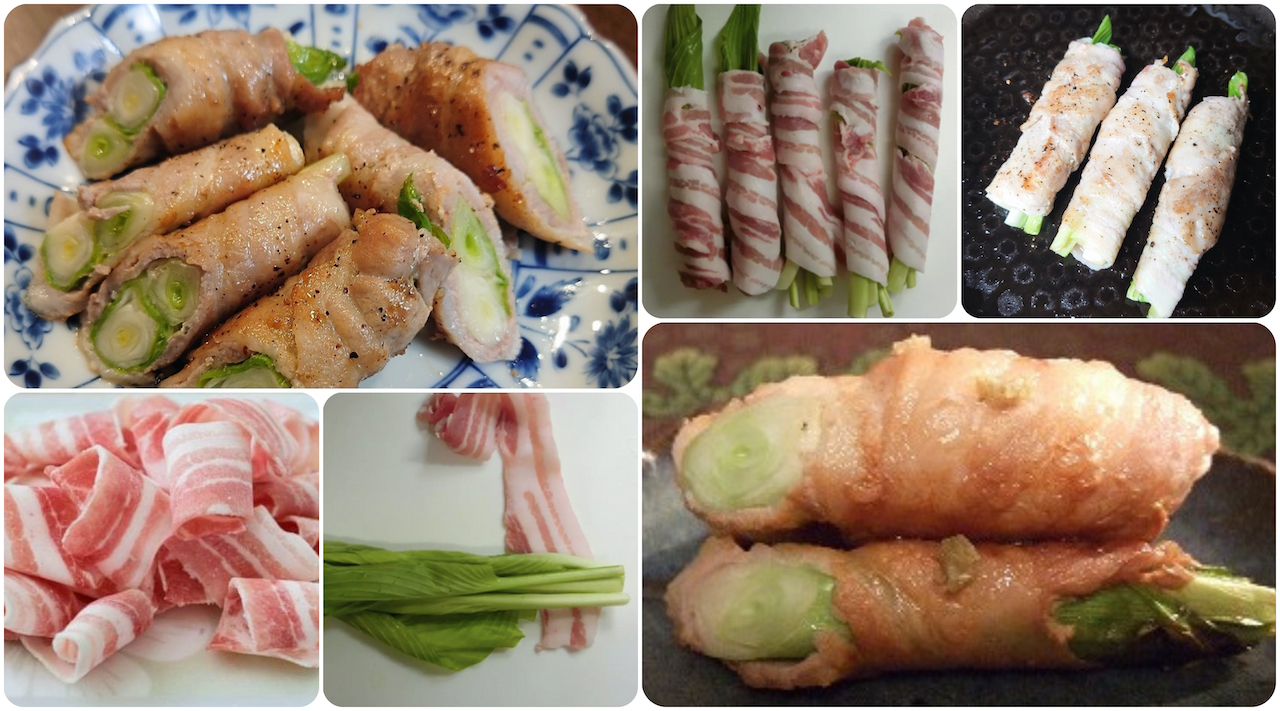
うるいの肉巻き
URUI no Niku Maki

The clean, almost grassy-like, taste of urui accommodates the rich fattiness of pork belly very well. Season with just salt and pepper, or add a dab of yuzu koshō at the last moment. The rolls pack nicely into obentō… and make a great nibble with beer, wine or saké.

Download a recipe for URUI Meat Roll-Ups.
For more ideas and instruction (recipes) check out the Kitchen PROJECT post.
Symbolic Pine

Symbolic Pine

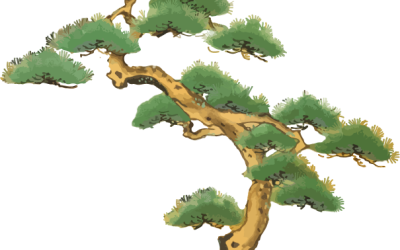
Because pine trees are hardy evergreens, they are a symbol of longevity and resilience in Japanese culture. As such they are a key motif used at New Year’s. Various foods are configured to evoke the image of pine needles (matsuba 松葉 ) and pine cones (matsukasa 松笠 )....

Katsura Muki, gossamer thin peels

Katsura Muki, gossamer thin peels

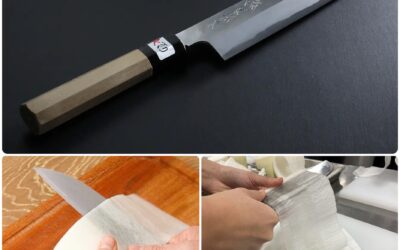
Daikon radish is peeled into long, seemingly impossibly thin ribbons in a cut known as katsura muki. The skill needed to produce these peels is the most basic requirement in any Japanese professional kitchen. It typically takes months (if not years) of daily practice...

Tsutsumu… wrapping, enveloping

Tsutsumu… wrapping, enveloping

Written with calligraphy for “bath” (furo 風呂) and “spread out” (shiki 敷) the word is rather curious for a piece of cloth. It seems the origins hark back to the Muromachi Period (1336-1573 AD) when Daimyo lords would spread out a cloth in which to wrap their clothing...

Escape the Lingering Heat

Escape the Lingering Heat

The ancient, lunar-based koyomi almanac marks the start of autumn with risshū 立秋. When hot weather continues beyond that time, the phenomenon is referred to as zansho 残暑, literally "lingering heat." On the Gregorian calendar, this year (2025) risshū arrived on August...

Recent Posts & Projects