PROJECT Tomato Salad

Jul 17, 2023 | Kitchen PROJECTS, Summer

TOMATOES combine well with both land and sea vegetables, and with cold noodles too, to make a variety of SALADS. This PROJECT Tomato Salad is about creating your own “house” salad featuring tomatoes.

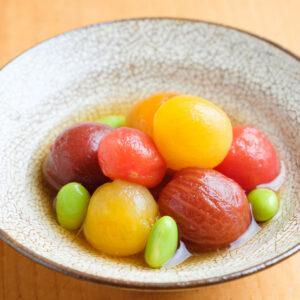
To start you off, here is a recipe for enjoying tomatoes OHITASHI-style
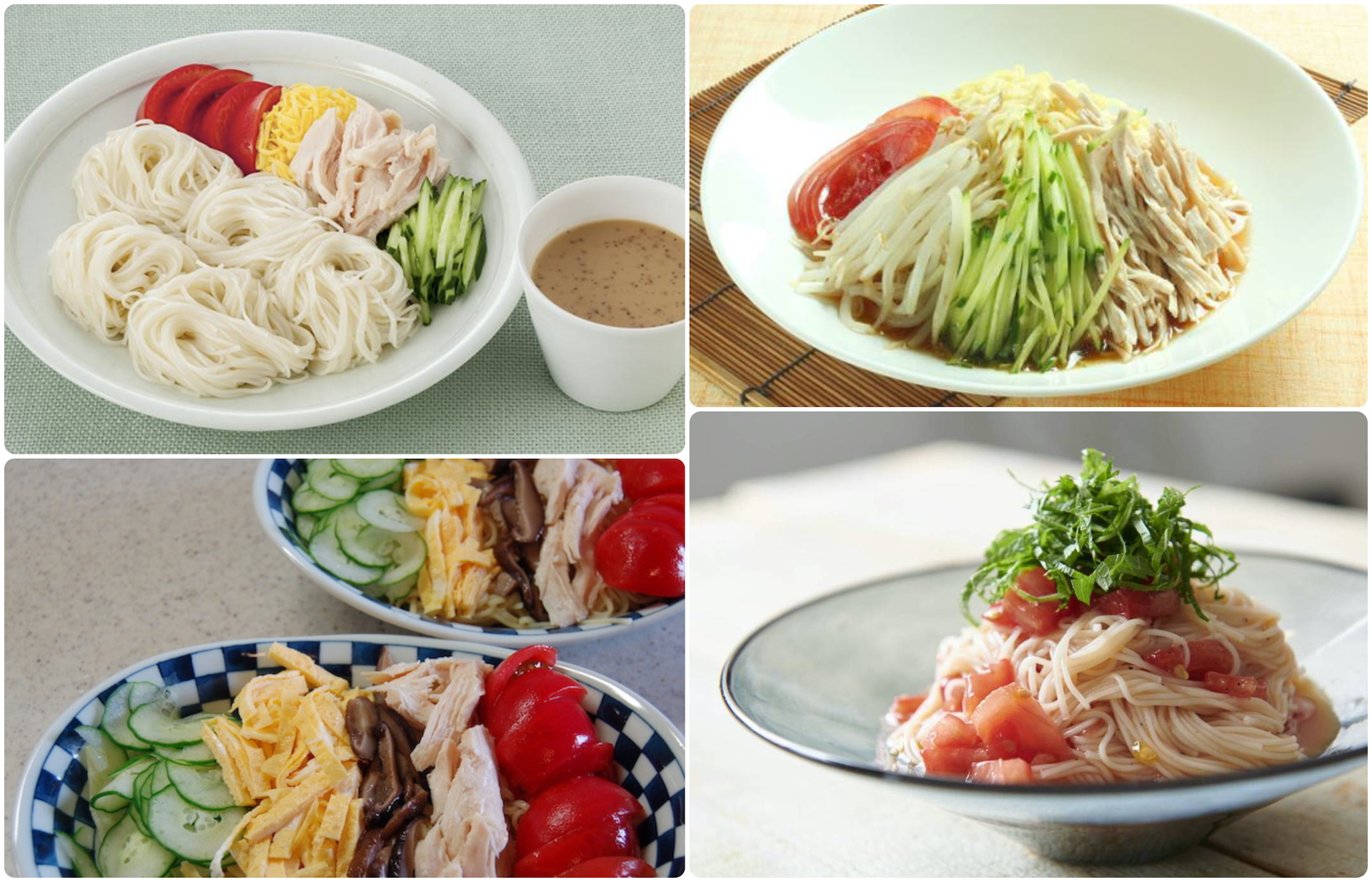
TOMATOES and COLD NOODLES

Tomatoes and cold noodles are a winning combination. Find information and inspiration in the posts devoted to:
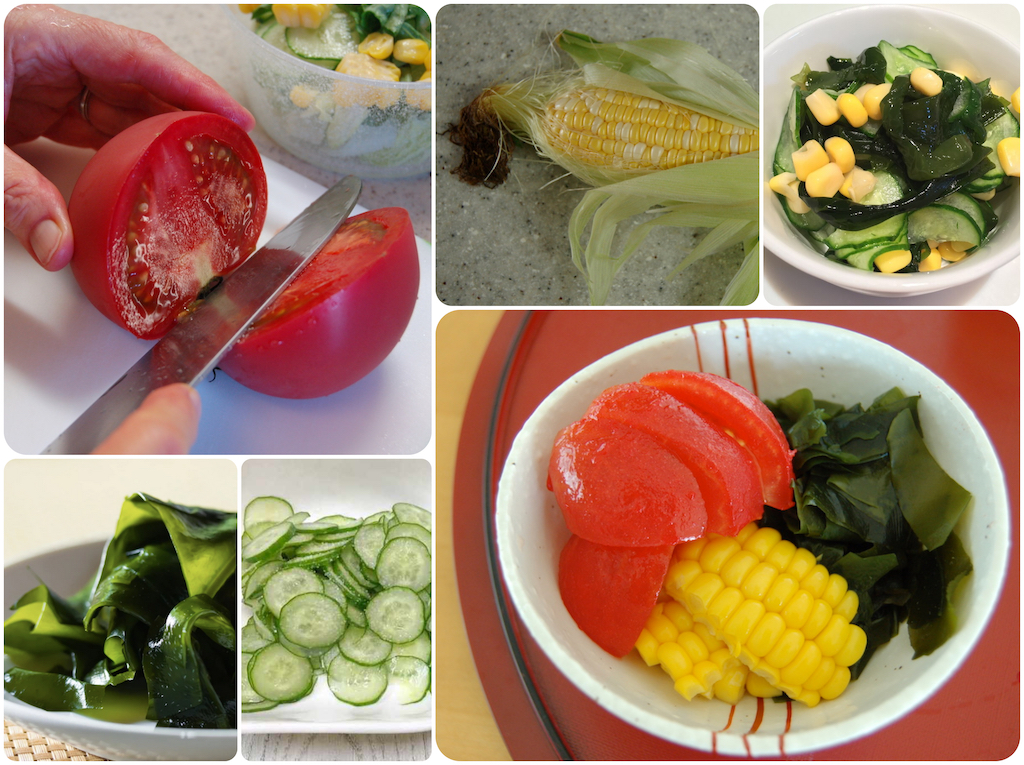
TOMATO, CORN and WAKAMÉ

This combination of land and sea veggies makes a terrific salad, a summertime favorite in Japan.

Here is a primer on using fresh and/or dried calcium-rich wakamé (Undaria pinnatifida; a type of algae). DOWNLOAD Anatomy of Wakamé.
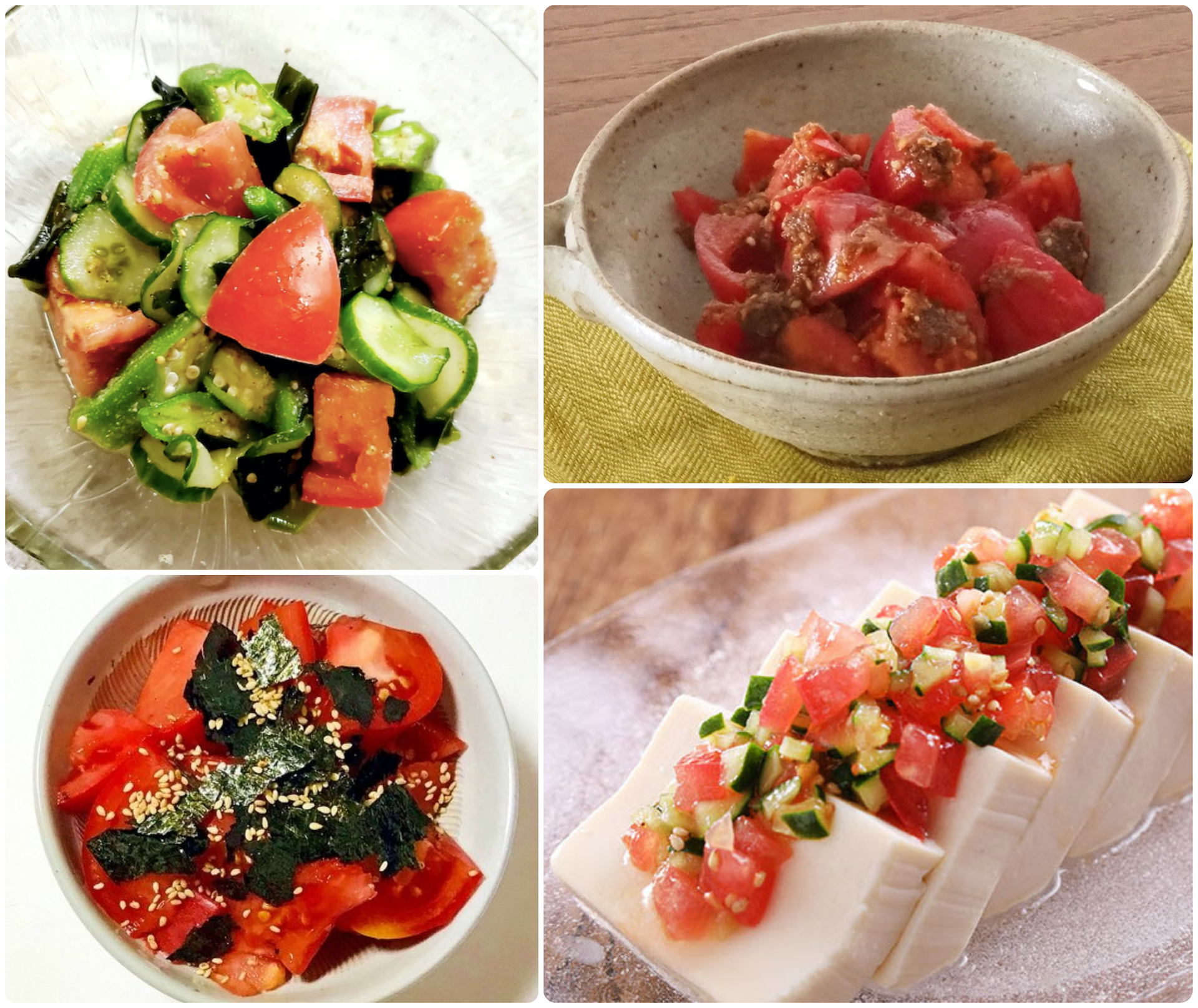
 

TOMATO, TŌFU, OKRA, BONITO FLAKES and NORI

In Japan, tomatoes are often paired with tōfu in a dish known as hiya yakko.

Bonito flakes (katsuo-bushi also known as okaka) are often used to garnish fresh or briefly blanched vegetables. The fish flakes will be more smoky-aromatic if roasted in a dry skillet before crushing them.

Use this post devoted to okra to help you prepare it well.

Plain, or flavored (aji-tsuke) nori can be crumpled and sprinkled on top of tomatoes — a tart sesame-soy dressing goes well with this. Or, make nori tsukudani and use it as a sauce or dressing.

For more about Tomatoes in Japan visit my Kitchen Culture blog

and read my July 2021 newsletter

Oysters

Oysters

Throughout the world, oysters have been a popular food source since ancient times. Archeologic evidence in Japan, in the form of kaizuka (shell mounds), dates to the Jōmon period (14,000-300 BCE). Oysters had been abundant for millennia and harvested in their natural...

PROJECT Kagami-Biraki

PROJECT Kagami-Biraki

In most parts of Japan, kagami mochi is on display for several weeks, by which time the omochi rice cakes have dried out and begun to crack. KAGAMI-BIRAKI, the ritual smashing of the dried out omochi, is performed on January 11, this date having been fixed in the 17th...

Kagami Mochi

Kagami Mochi

At New Years’ time, the Japanese decorate their homes with a special display called KAGAMI MOCHI. There are many regional variations on the theme but typically two large rounds of omochi rice taffy are stacked with a daidai 橙 (bitter orange) on top. The arrangement is...

Symbolic Pine

Symbolic Pine

Because pine trees are hardy evergreens, they are a symbol of longevity and resilience in Japanese culture. As such they are a key motif used at New Year’s. Various foods are configured to evoke the image of pine needles (matsuba 松葉 ) and pine cones (matsukasa 松笠 )....

Recent Posts & Projects