Green Tea

May 1, 2020 | Spring, Year-Round

Green Teas

緑茶 RYOKU CHA

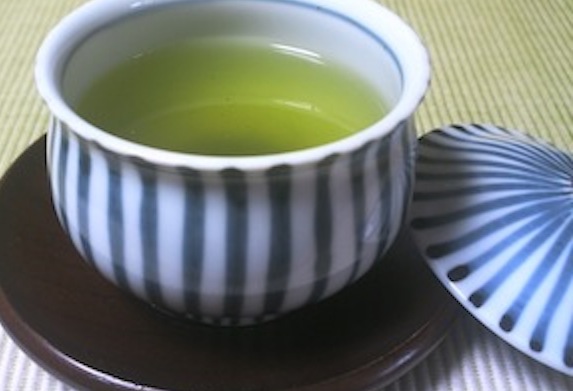
Green teas are green because enzymes responsible for oxidization have been prevented from doing their (dark and discoloring) work.

The Japanese halt oxidation by steaming freshly picked leaves, while the Chinese typically pan-fire or roast tea leaves to achieve similar results. The steaming process accentuates latent vegetal, grassy and herbaceous overtones in tea — qualities that are prized by the Japanese. In much the same way that wine enthusiasts throughout the world eagerly anticipate the arrival of Beaujolais nouveau, tea connoisseurs everywhere keenly await Japanese shin cha (new tea) at market.
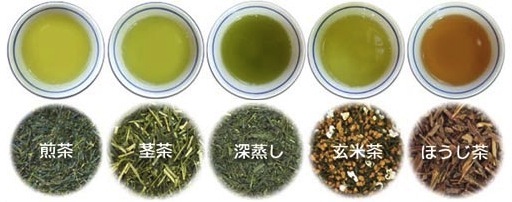
煎茶           SENCHA (leaf tea)
茎茶           KUKI CHA (stem tea)
深むし茶    FUKAMUSHI CHA (deep-steamed to stabilize)
玄米茶       GENMAI CHA (green tea mixed with roasted rice)
焙じ茶       HŌJI CHA (roasted green tea)

Find out more about these teas and how to brew them…
DOWNLOAD GREEN TEA brewing details 

Symbolic Pine

Symbolic Pine

Because pine trees are hardy evergreens, they are a symbol of longevity and resilience in Japanese culture. As such they are a key motif used at New Year’s. Various foods are configured to evoke the image of pine needles (matsuba 松葉 ) and pine cones (matsukasa 松笠 )....

Katsura Muki, gossamer thin peels

Katsura Muki, gossamer thin peels

Daikon radish is peeled into long, seemingly impossibly thin ribbons in a cut known as katsura muki. The skill needed to produce these peels is the most basic requirement in any Japanese professional kitchen. It typically takes months (if not years) of daily practice...

Tsutsumu… wrapping, enveloping

Tsutsumu… wrapping, enveloping

Written with calligraphy for “bath” (furo 風呂) and “spread out” (shiki 敷) the word is rather curious for a piece of cloth. It seems the origins hark back to the Muromachi Period (1336-1573 AD) when Daimyo lords would spread out a cloth in which to wrap their clothing...

Escape the Lingering Heat

Escape the Lingering Heat

The ancient, lunar-based koyomi almanac marks the start of autumn with risshū 立秋. When hot weather continues beyond that time, the phenomenon is referred to as zansho 残暑, literally "lingering heat." On the Gregorian calendar, this year (2025) risshū arrived on August...

Recent Posts & Projects