PROJECT Salmon

Oct 10, 2022 | Kitchen PROJECTS, Year-Round

SALMON・鮭・SA

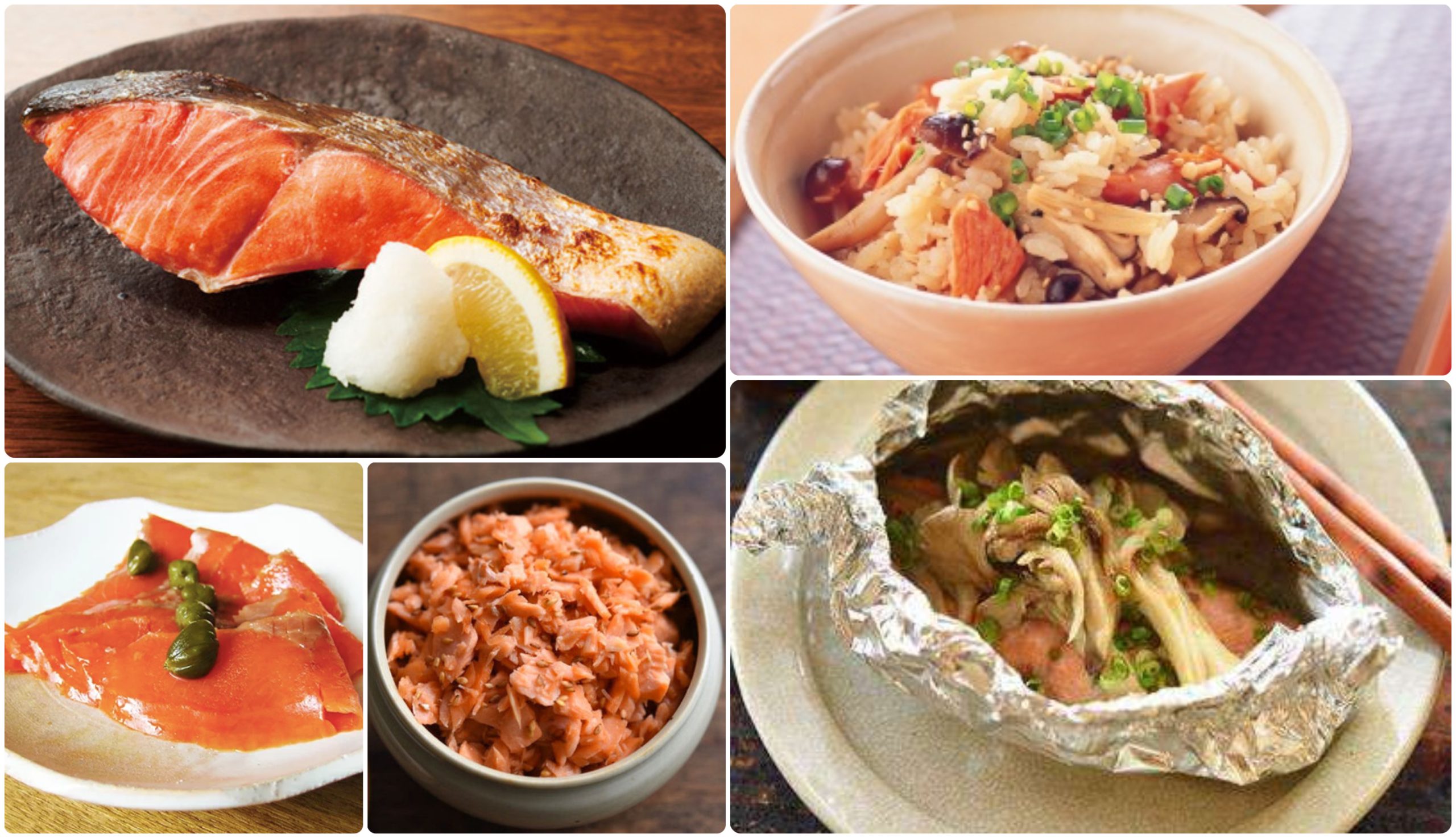
Salmon lends itself to variety of cooking methods — it can be skillet-seared, steamed, broiled, grilled, braised, smoked, poached and fried. 

PROJECT Salmon is about preparing salmon in many different ways in your kitchen. You’ll find lots of suggestions and recipe resources here.

In the photo above, upperleft, clockwise: SHIO YAKI (salt-cured beni-jaké, broiled and served with grated radish and lemon); TAKIKOMI GOHAN (Rice cooked with Mushrooms and Salmon); GINGAMI MUSHI (salmon and mushrooms steamed in foil); SALMON FLAKES to toss into rice or stuff onigiri with; SMOKED SALMON (garnished here with capers).
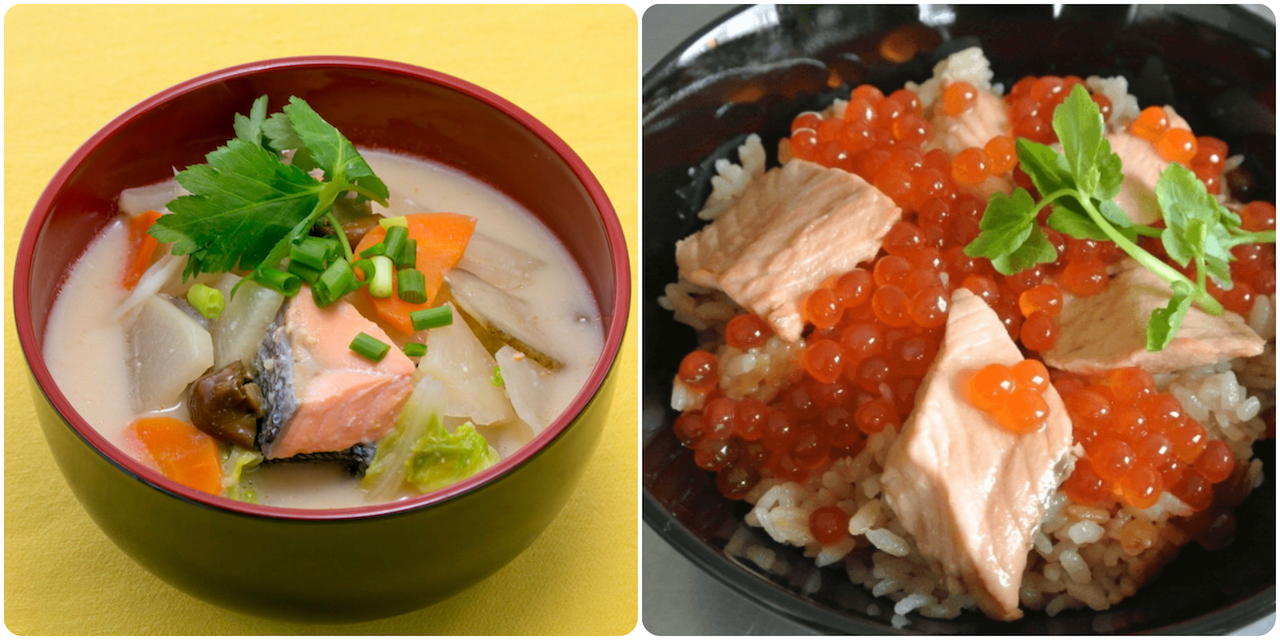
Recipe resources at this website include a belly-warming salmon and root vegetable chowder called KASU-JIRU and HARAKO MESHI rice cooked with salmon and topped with roe.

Further recipe resources for preparing salmon from previously published cookbooks (available through CKBK):

An American Taste of Japan (William Morrow, 1985) pg 142 Camellia Sushi made with smoked salmon.

An Ocean of Flavor (William Morrow, 1988) pg 114 Red and White Half-Moons made with smoked salmon and white radish.

An Ocean of Flavor (William Morrow, 1988) pg 141 Cold Poached Salmon with Sweet-and-Sour Yellow Sauce.

CRAFTSY video includes Teriyaki Soy-Glazed Salmon.

Visit the KITCHEN CULTURE post on SALMON to learn about wild-caught varieties commonly found in the Pacific rim.
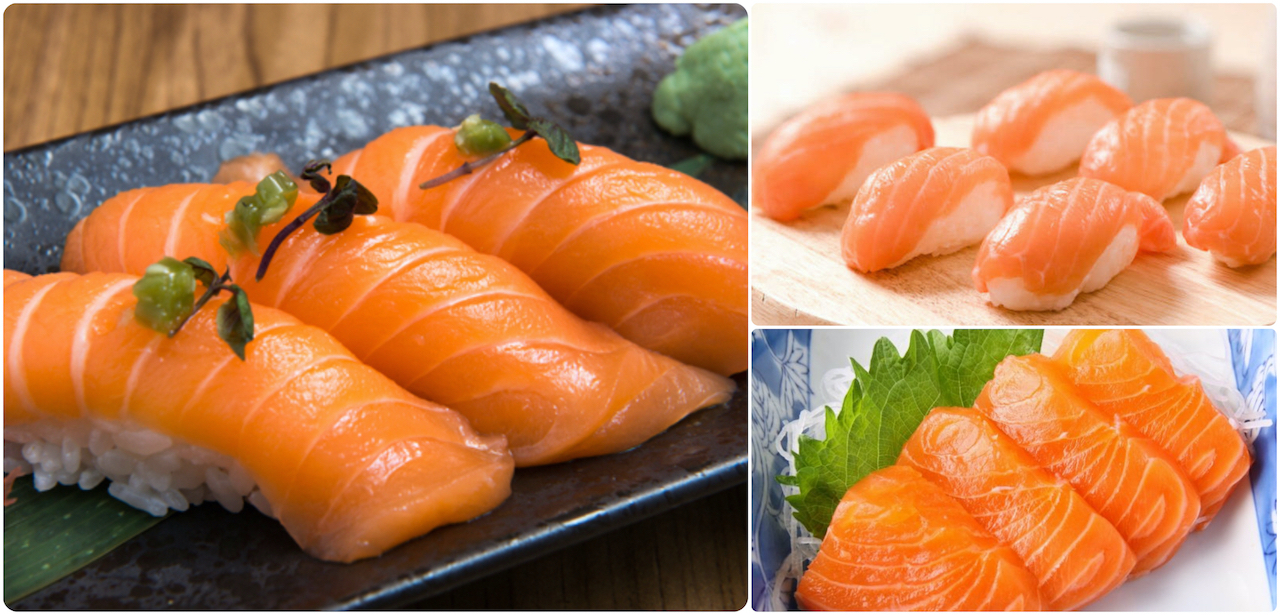
October 2022 newsletter about sāmon

The newsletter’s main story is about sāmon, salmon served as sushi and sashimi. Download a copy of the October newsletter here.
PROJECT Symbolic Pine

PROJECT Symbolic Pine

Because pine trees are hardy evergreens, they are a symbol of longevity and resilience in Japanese culture. As such they are a key motif used at New Year’s. Various foods are configured to resemble pine. Cones (matsukasa) and needles (matsuba) are the most frequently...

Katsura Muki, gossamer thin peels

Katsura Muki, gossamer thin peels

Daikon radish is peeled into long, seemingly impossibly thin ribbons in a cut known as katsura muki. The skill needed to produce these peels is the most basic requirement in any Japanese professional kitchen. It typically takes months (if not years) of daily practice...

PROJECT Katsura Muki

PROJECT Katsura Muki

This PROJECT is about learning to make katsura muki, a classic cutting technique in the traditional Japanese kitchen. When done properly, long, flowing, continuous and incredibly thin peels are produced from vegetables such as daikon radish, cucumbers and carrots. In...

Tsutsumu… wrapping, enveloping

Tsutsumu… wrapping, enveloping

Written with calligraphy for “bath” (furo 風呂) and “spread out” (shiki 敷) the word is rather curious for a piece of cloth. It seems the origins hark back to the Muromachi Period (1336-1573 AD) when Daimyo lords would spread out a cloth in which to wrap their clothing...

Recent Posts & Projects