
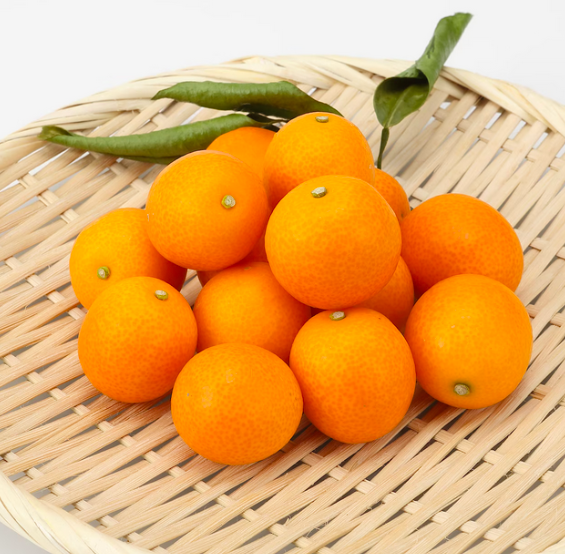
Kumquats are called kinkan 金柑 in Japanese, meaning “golden citrus.” The fruit is native to south-east China where they have been cultivated for hundreds of years, though the scientific name is Citrus japonica.
There are dozens of varities of kumquats but the round Marumi and Meiwa are the most popular in Japan while oval-shaped Nagami fruits are more commonly seen in America and Europe.
In most markets kumquats are available from mid-autumn through early spring. The fruits are an excellent source of fiber, vitamin C, and antioxidants and have been a home remedy for sore throats and colds for generations in Japan.
Download a copy of my December 2023 newsletter to find out more about kumquats.
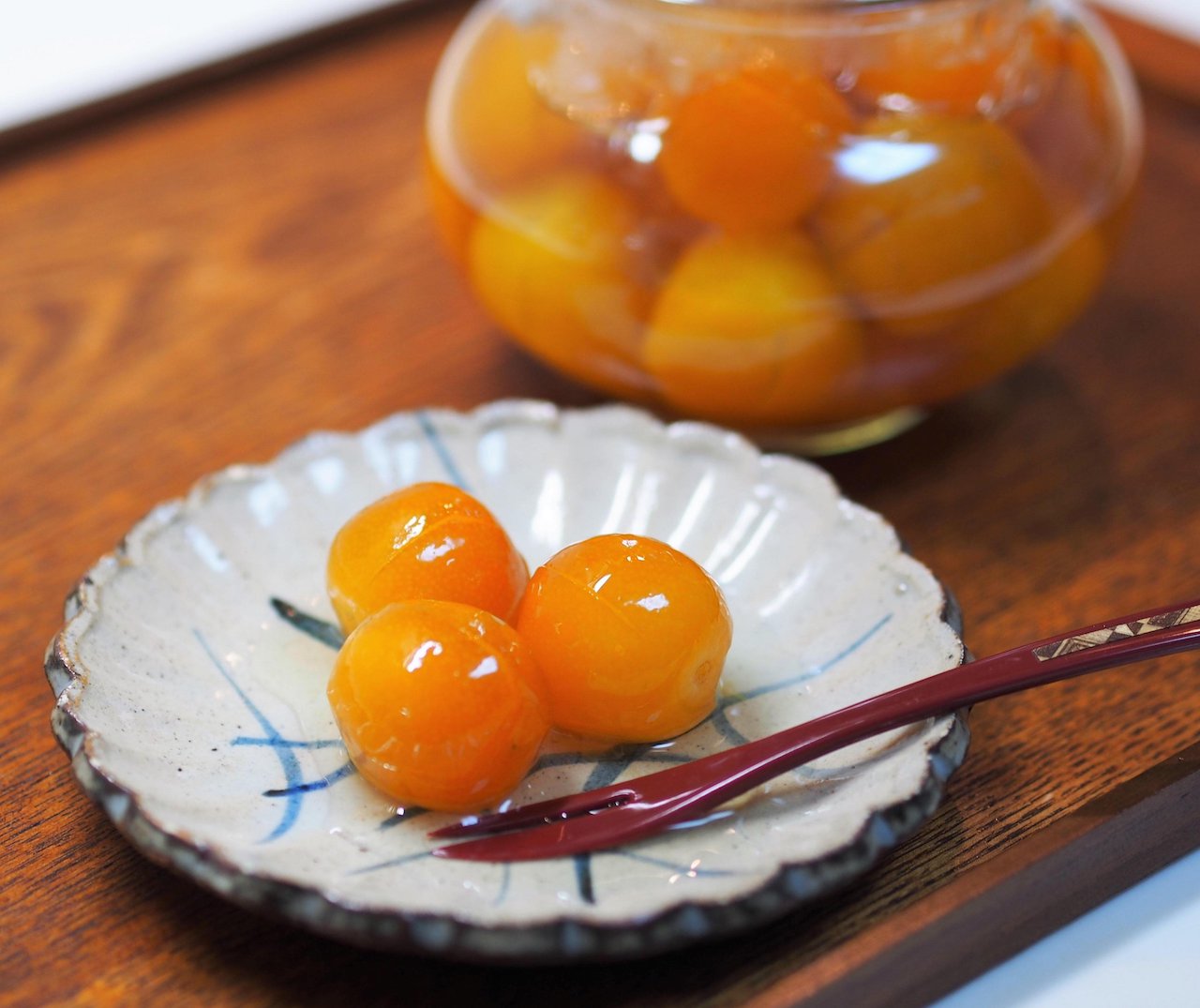
Kumquats in Syrup 金柑の甘露煮
Kumquats in syrup are a New Year’s delicacy in Japan. The sweet-and-tart fruit helps balance the salty flavor profile of osechi (special foods served at New Year’s time) foods prepared with soy sauce, salt and miso.
Find recipes for other Osechi dishes at PROJECT Osechi-Making.
The bright color of kumquats adds a cheerful note to the holiday display. Try serving Kumquats in Syrup with any roasted meat or poultry.
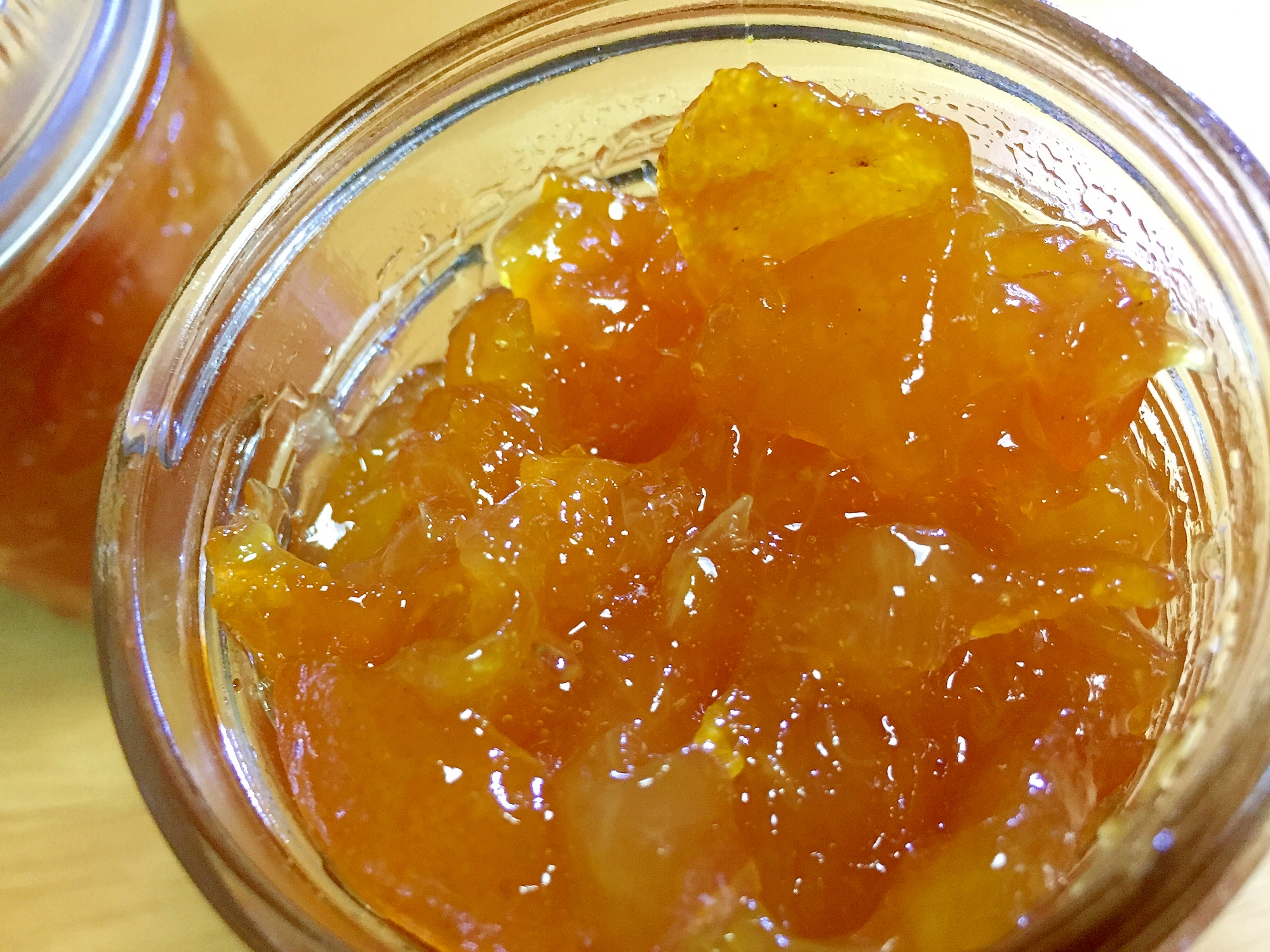
Kumquat Marmalade 金柑ママレード
I made my first batch of kumquat marmalade when my daughter was three years old. We loved cooking together (still do!). As we prepared whole kumquats in syrup (Kinkan no Kanro ni) for New Year’s many got managled in the process of de-seeding the fruit. So we cooked the mash down into a thick sauce: it was DELICIOUS!
I’ve since made kumquat marmalade by se-seeding the kinkan first, saving the pectin-rich seeds to help set the preserves.


-79969_400x250.jpeg)