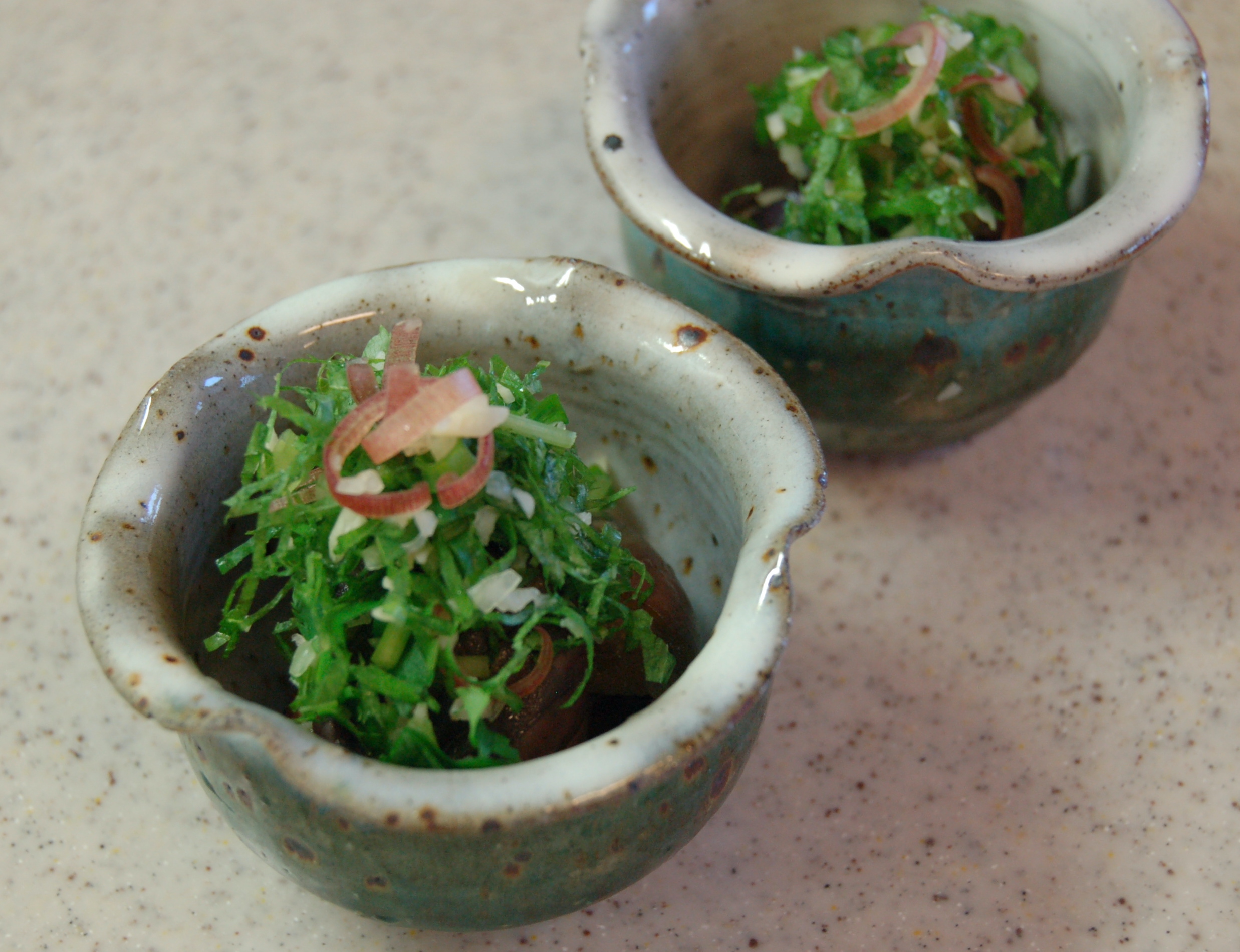
薬味
YAKUMI
A Lively Mixture of Aromatic Herbs
Food cultures around the world employ various aromatic herbs and spices to stimulate the appetite, maximize flavor and promote healthful eating. Japan has a long history of using yakumi, condiments, to provide benefit to the body in some manner. Indeed, the Japanese word is written with calligraphy for “medicine” and “flavor,” suggesting yakumi possess both curative and preventative merit.
Use yakumi to top a variety of dishes, from tōfu to stewed vegetables to cold noodles. It can also be folded into an omelet. Here’s a BASIC RECIPE to use as a point of departure for creating your own house version of YAKUMI.
Looking for more suggestions on how to take this basic recipe and enliven your meals? Look at PROJECT Yakumi.
My June 2022 newsletter is all about yakumi.
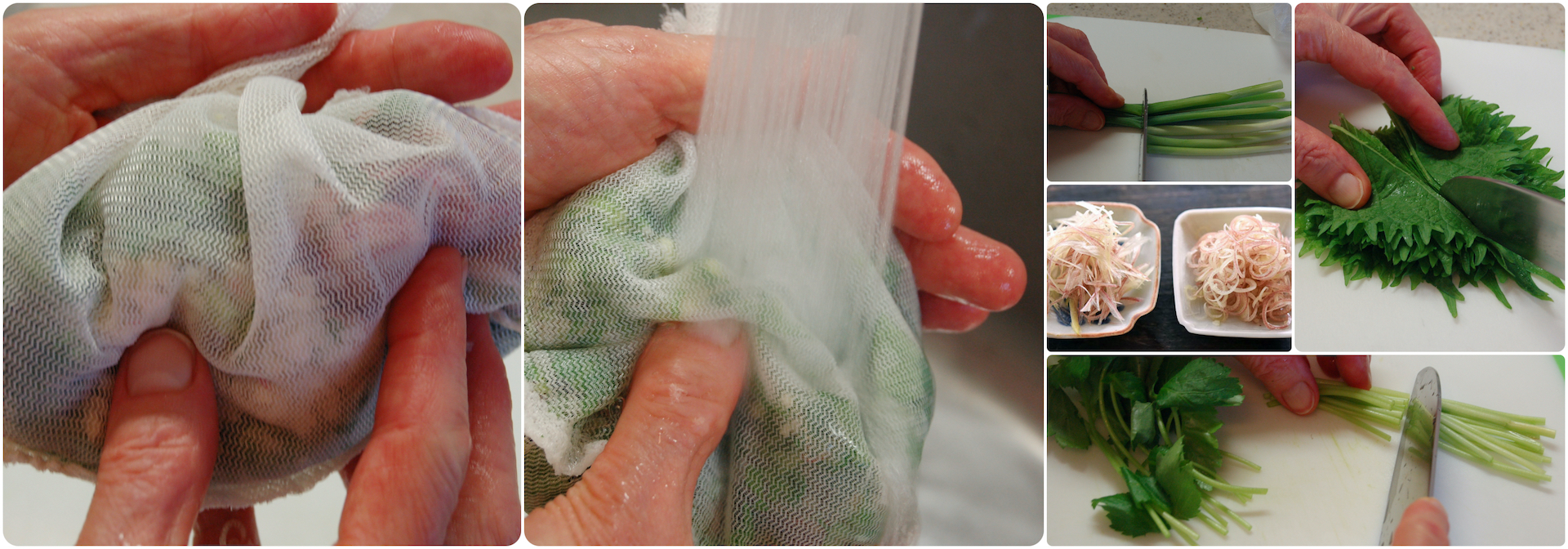
Chop, slice, and mince various herbs. Here, I have used green shiso, mitsuba (stalks and leaves), slender scallions, new ginger and myōga.
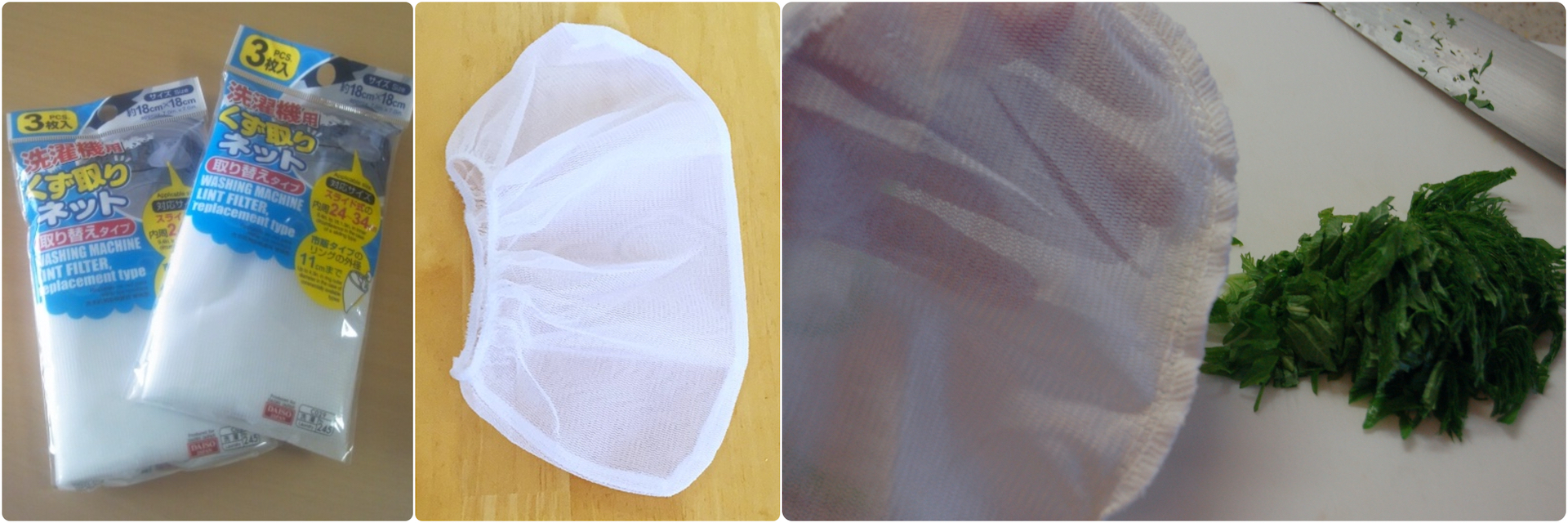
Place the cut pieces in a fine-meshed net bag. I use one sold as a filter for a washing machine. Turn your bag inside-out so that food cannot get caught in the bag’s stitched seam.
Lightly “massage” to evenly distribute the various herbs BEFORE rinsing. As you rinse, continue to lightly massage. Squeeze out excess moisture. Use right away, or store (in the net) in the refrigerator in a closed container or reusable bag.
-79969_400x250.jpeg)