Kampyo

Jul 10, 2022 | Kitchen Culture, Summer

干瓢・かんぴょう・KAMPYŌ

What is kampyō and how is it processed into edible ribbons?

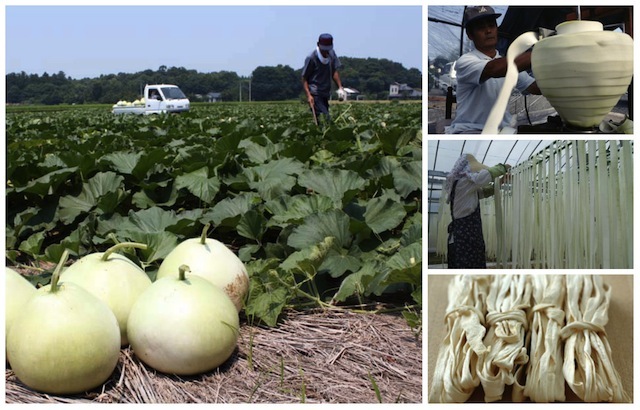
Bulbous fukubé gourds are harvested in the summer and set on a spinning wheel against a sharp blade. The ribbons of gourd that get shaved off are then hung to dry in the sun or well-ventilated shade. As the gourd ribbons dry, minerals (especially calcium, iron and potassium) and natural sugars are concentrated. The aroma of nutritious, delicious dried gourd ribbons is vaguely reminiscent of dried apricots. 
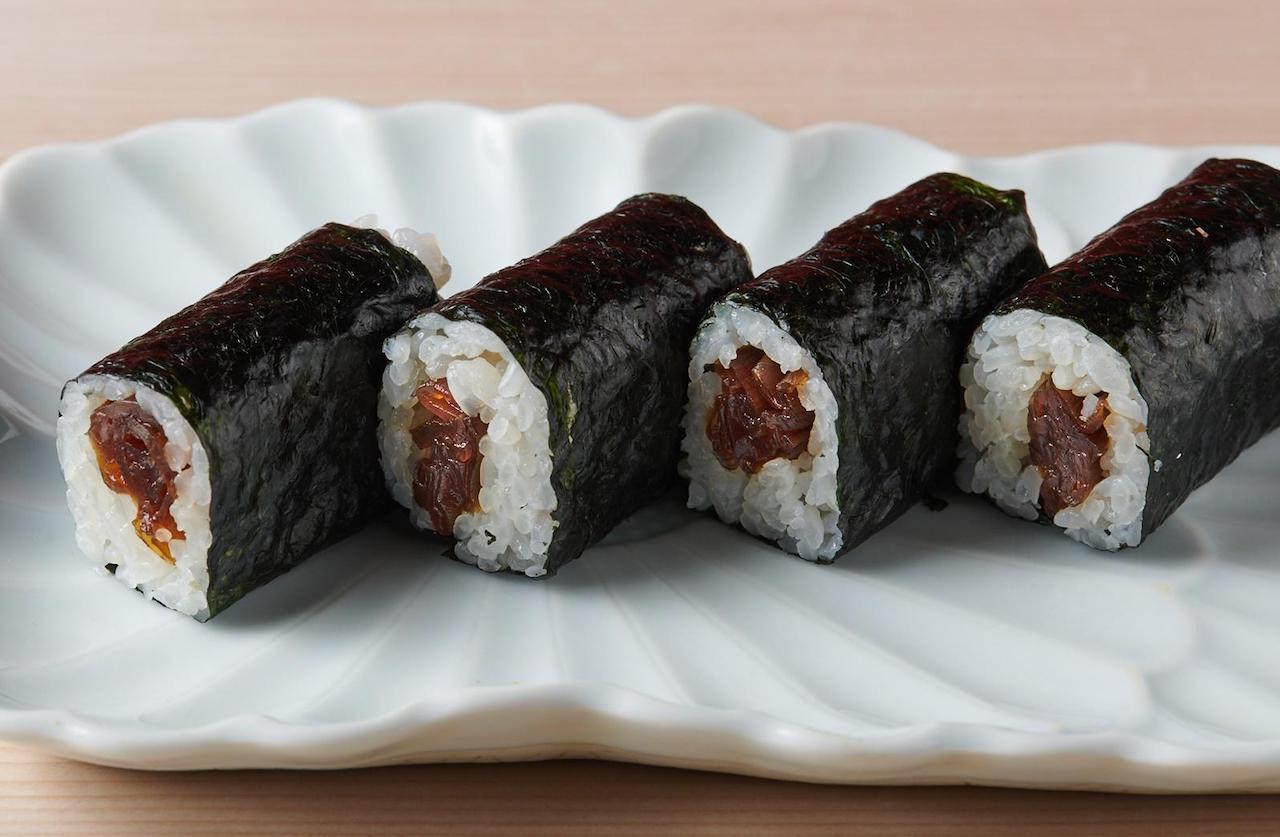
 

Gourd ribbons cooked in a sweet soy broth are used as a filling in rolled sushi. Narrow sushi rolls with only soy-simmered kampyō are called NORI MAKI, a Tokyo classic dating back to the Edo period. Plump sushi rolls called futo maki are favored in the Kansai area (Osaka, Kyoto, Kobe and Nara) many include kampyō among other ingredients.

Looking for more suggestions on how to use kampyō?  Visit PROJECT kampyō .

Want to know more about the history of  gourds such as kampyō? Download a copy of my July 2022 newsletter.
Symbolic Pine

Symbolic Pine

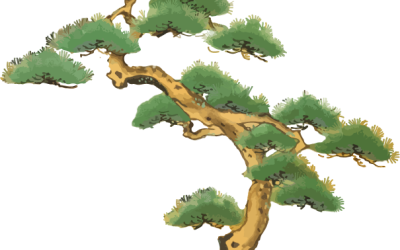
Because pine trees are hardy evergreens, they are a symbol of longevity and resilience in Japanese culture. As such they are a key motif used at New Year’s. Various foods are configured to evoke the image of pine needles (matsuba 松葉 ) and pine cones (matsukasa 松笠 )....

Katsura Muki, gossamer thin peels

Katsura Muki, gossamer thin peels

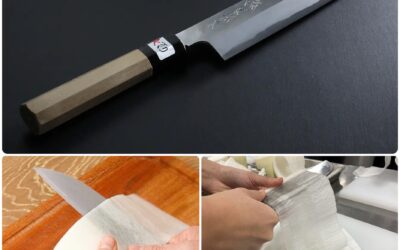
Daikon radish is peeled into long, seemingly impossibly thin ribbons in a cut known as katsura muki. The skill needed to produce these peels is the most basic requirement in any Japanese professional kitchen. It typically takes months (if not years) of daily practice...

Tsutsumu… wrapping, enveloping

Tsutsumu… wrapping, enveloping

Written with calligraphy for “bath” (furo 風呂) and “spread out” (shiki 敷) the word is rather curious for a piece of cloth. It seems the origins hark back to the Muromachi Period (1336-1573 AD) when Daimyo lords would spread out a cloth in which to wrap their clothing...

Escape the Lingering Heat

Escape the Lingering Heat

The ancient, lunar-based koyomi almanac marks the start of autumn with risshū 立秋. When hot weather continues beyond that time, the phenomenon is referred to as zansho 残暑, literally "lingering heat." On the Gregorian calendar, this year (2025) risshū arrived on August...

Recent Posts & Projects