GOMA-DŌFU

Nov 1, 2020 | Autumn, Kitchen Culture, Year-Round | 2 comments

Buddhist Cookery & Sesame Pudding

精進料理 Shōjin Ryōri・胡麻豆腐  Goma-Dōfu

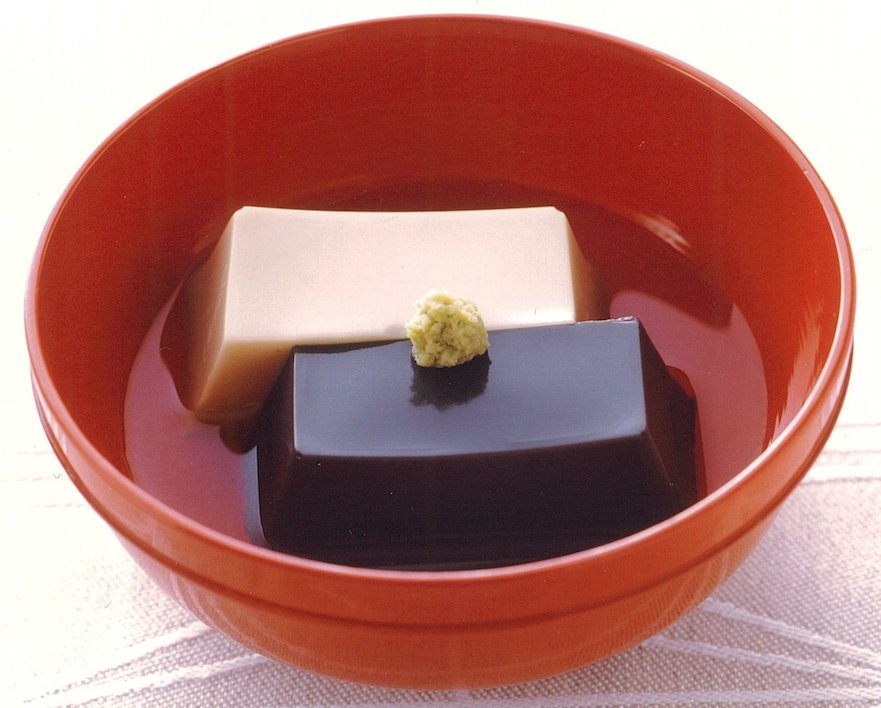
Goma-dōfu, a creamy-smooth sesame pudding, is historically associated with fucha ryōri, a Chinese-style of Buddhist cookery that arrived in Japan with Zen Priest Ingen in 1654.

The pudding is a quintessential shōjin dish because the very act of preparing it exemplifies a virtue extolled in Buddhist practice (and Japanese society, at large): dōryoku… diligence. Making the pudding from scratch requires patience, time and above all diligent attention to the task at hand.

Not meaning to be disrespectful, there are a few (slightly) easier ways to make this yummy pudding. My recipe offers several “shortcuts” that still embrace kansha, the Buddhist sense of appreciation: Gratitude for both artisanal products (such as sesame paste) and modern technology (electric-powered gadgets).

Ready to try your hand at making this zen-inspired pudding? DOWNLOAD Creamy Sesame Pudding GOMA-DOFU
Oysters

Oysters

Throughout the world, oysters have been a popular food source since ancient times. Archeologic evidence in Japan, in the form of kaizuka (shell mounds), dates to the Jōmon period (14,000-300 BCE). Oysters had been abundant for millennia and harvested in their natural...

Kagami Mochi

Kagami Mochi

At New Years’ time, the Japanese decorate their homes with a special display called KAGAMI MOCHI. There are many regional variations on the theme but typically two large rounds of omochi rice taffy are stacked with a daidai 橙 (bitter orange) on top. The arrangement is...

Symbolic Pine

Symbolic Pine

Because pine trees are hardy evergreens, they are a symbol of longevity and resilience in Japanese culture. As such they are a key motif used at New Year’s. Various foods are configured to evoke the image of pine needles (matsuba 松葉 ) and pine cones (matsukasa 松笠 )....

Katsura Muki, gossamer thin peels

Katsura Muki, gossamer thin peels

Daikon radish is peeled into long, seemingly impossibly thin ribbons in a cut known as katsura muki. The skill needed to produce these peels is the most basic requirement in any Japanese professional kitchen. It typically takes months (if not years) of daily practice...

Recent Posts & Projects