GOMA-DŌFU

Nov 1, 2020 | Autumn, Kitchen Culture, Year-Round | 2 comments

Buddhist Cookery & Sesame Pudding

精進料理 Shōjin Ryōri・胡麻豆腐  Goma-Dōfu

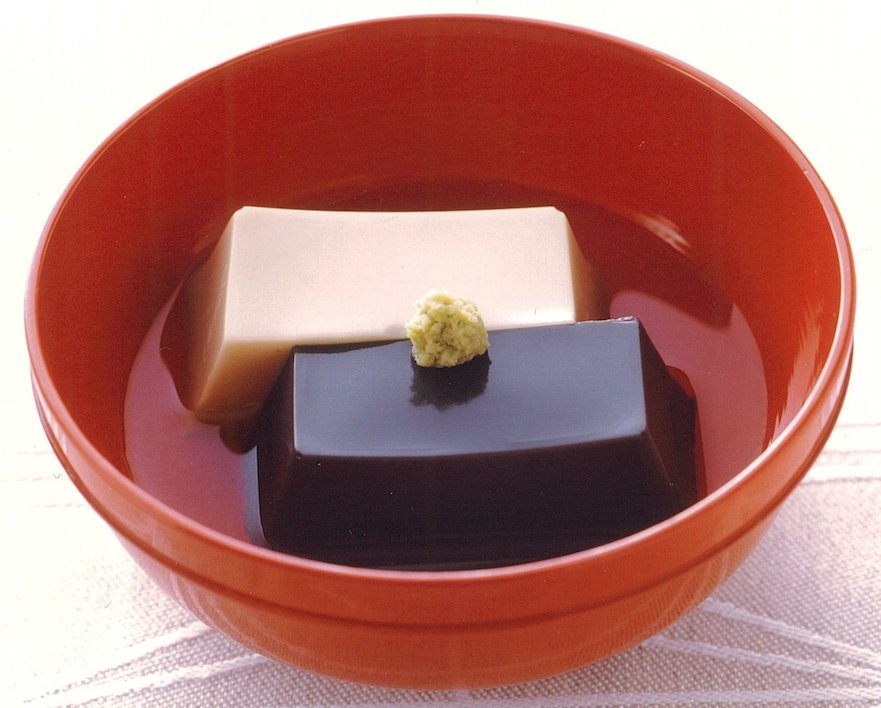
Goma-dōfu, a creamy-smooth sesame pudding, is historically associated with fucha ryōri, a Chinese-style of Buddhist cookery that arrived in Japan with Zen Priest Ingen in 1654.

The pudding is a quintessential shōjin dish because the very act of preparing it exemplifies a virtue extolled in Buddhist practice (and Japanese society, at large): dōryoku… diligence. Making the pudding from scratch requires patience, time and above all diligent attention to the task at hand.

Not meaning to be disrespectful, there are a few (slightly) easier ways to make this yummy pudding. My recipe offers several “shortcuts” that still embrace kansha, the Buddhist sense of appreciation: Gratitude for both artisanal products (such as sesame paste) and modern technology (electric-powered gadgets).

Ready to try your hand at making this zen-inspired pudding? DOWNLOAD Creamy Sesame Pudding GOMA-DOFU

Osozai Side Dishes

Osozai Side Dishes

Modern households everywhere are challenged with balancing a desire to eat healthfully with limited time to prepare meals. In Japan, the food industry’s response has been to offer a vast assortment of prepared foods for sale through various outlets: convenience...

Using Food Fully

Using Food Fully

Meals planned around a single ingredient prepared in many ways are referred to as tsukushi (or zukushi) 尽くし menus. The verb tsukusu means "to use, or consume, entirely." This no-waste approach is both a frugal and practical way to cook, making the most of what is...

The Language of Learning

The Language of Learning

Although we are all born with some innate capabilities, we also must LEARN in order to survive and thrive. Different cultures manage learning differently. The Japanese language has two verbs that can be used when talking about acquiring information and experience....

Oysters

Oysters

Throughout the world, oysters have been a popular food source since ancient times. Archeologic evidence in Japan, in the form of kaizuka (shell mounds), dates to the Jōmon period (14,000-300 BCE). Oysters had been abundant for millennia and harvested in their natural...

Recent Posts & Projects