PROJECT Potato

Nov 3, 2023 | Kitchen PROJECTS, Year-Round

PROJECT Potato

Most white-fleshed potatoes generally fall into either of two categories: fluffy OR waxy.

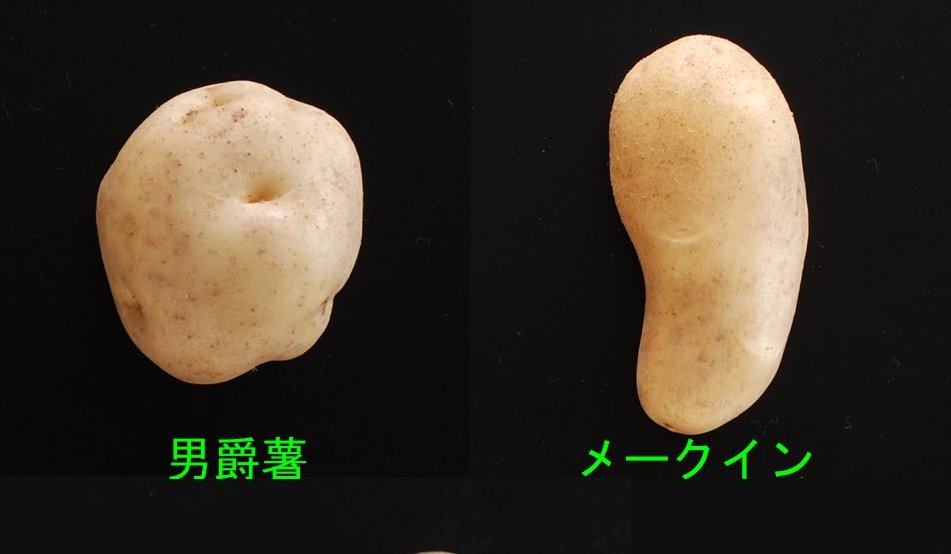
Fluffy potatoes are high-starch and tend to crumble when simmered; they are perfect for mashing, and when making korokke (croquettes). The Japanese often describe these dishes as hokahoka (“steaming hot“). The most commonly available high-starch potato in Japan is DANSHAKU (男爵) — pictured above, to the left. These fluffy spuds are also good prepared as MISO KAMPURA.

Waxy potatoes are lower in starch. When you want potatoes to hold their shape and not crumble — many curries, stews and some potato salads — are best made with waxy spuds such as MayQueen ( メークイン) pictured above to the right. Dishes made with waxy potatoes are often described as shittori or moist.

Chips and fries can be made with either type of potato but tend to be crisper, crunchier if high starch spuds (such as danshaku) are used.

Try making potato dishes with both kinds of spuds.

Learn about Japan’s Potato Lingo & Lore by visiting my Kitchen Culture blog.

Read my November 2023 newsletter.
PROJECT Symbolic Pine

PROJECT Symbolic Pine

Because pine trees are hardy evergreens, they are a symbol of longevity and resilience in Japanese culture. As such they are a key motif used at New Year’s. Various foods are configured to resemble pine. Cones (matsukasa) and needles (matsuba) are the most frequently...

Katsura Muki, gossamer thin peels

Katsura Muki, gossamer thin peels

Daikon radish is peeled into long, seemingly impossibly thin ribbons in a cut known as katsura muki. The skill needed to produce these peels is the most basic requirement in any Japanese professional kitchen. It typically takes months (if not years) of daily practice...

PROJECT Katsura Muki

PROJECT Katsura Muki

This PROJECT is about learning to make katsura muki, a classic cutting technique in the traditional Japanese kitchen. When done properly, long, flowing, continuous and incredibly thin peels are produced from vegetables such as daikon radish, cucumbers and carrots. In...

Tsutsumu… wrapping, enveloping

Tsutsumu… wrapping, enveloping

Written with calligraphy for “bath” (furo 風呂) and “spread out” (shiki 敷) the word is rather curious for a piece of cloth. It seems the origins hark back to the Muromachi Period (1336-1573 AD) when Daimyo lords would spread out a cloth in which to wrap their clothing...

Recent Posts & Projects