PROJECT Small Plates

Jun 13, 2025 | Kitchen PROJECTS

MAMÉ-ZARA Fun
Collecting and Using Small Plates

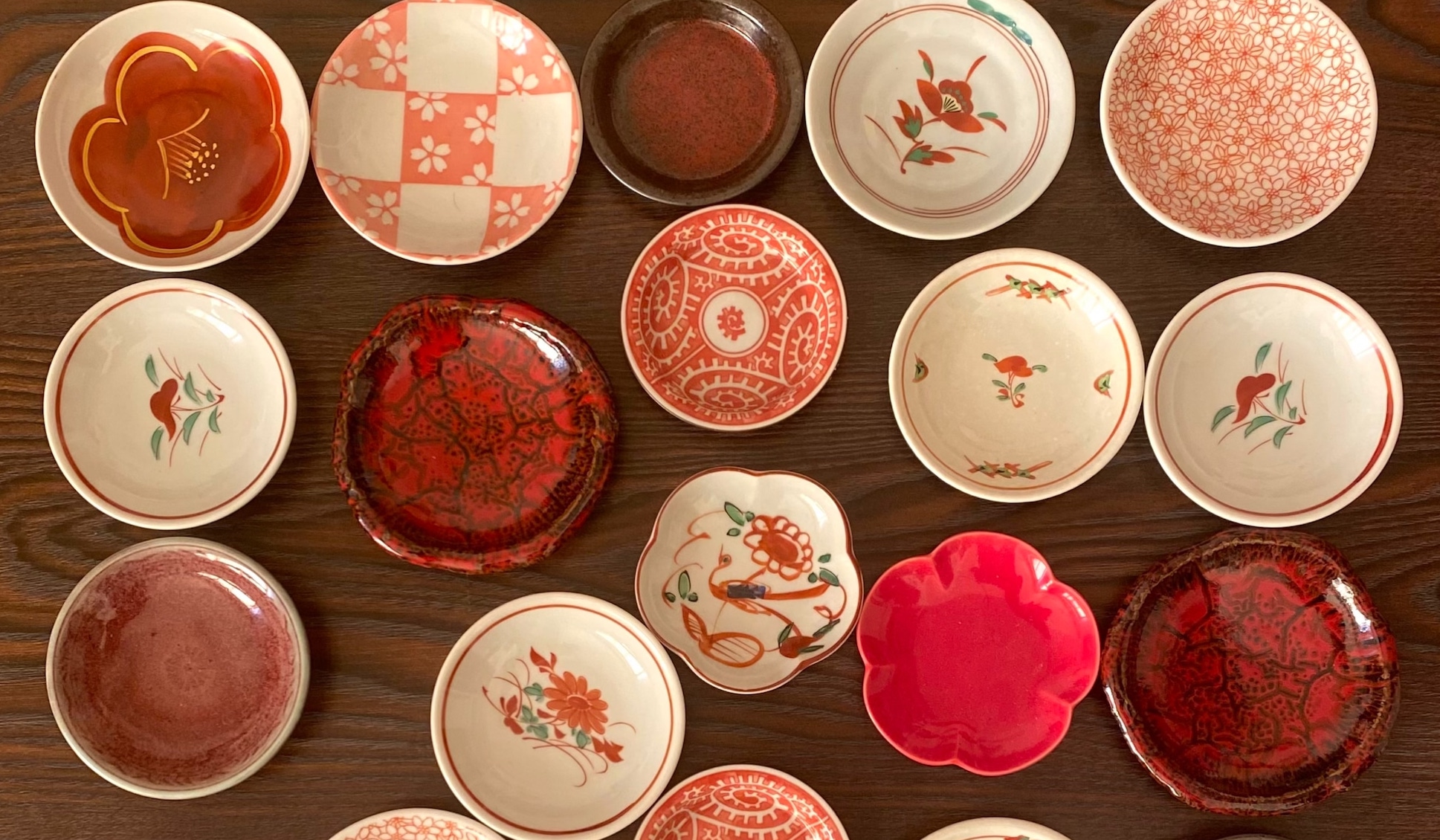
Part of the fun of collecting dishes and other tabletop accessories, is to assemble wide-ranging variations within a category. With mamé-zara, one way to do this is focus on a color scheme such as red and then collect as many different shapes and designs as possible.

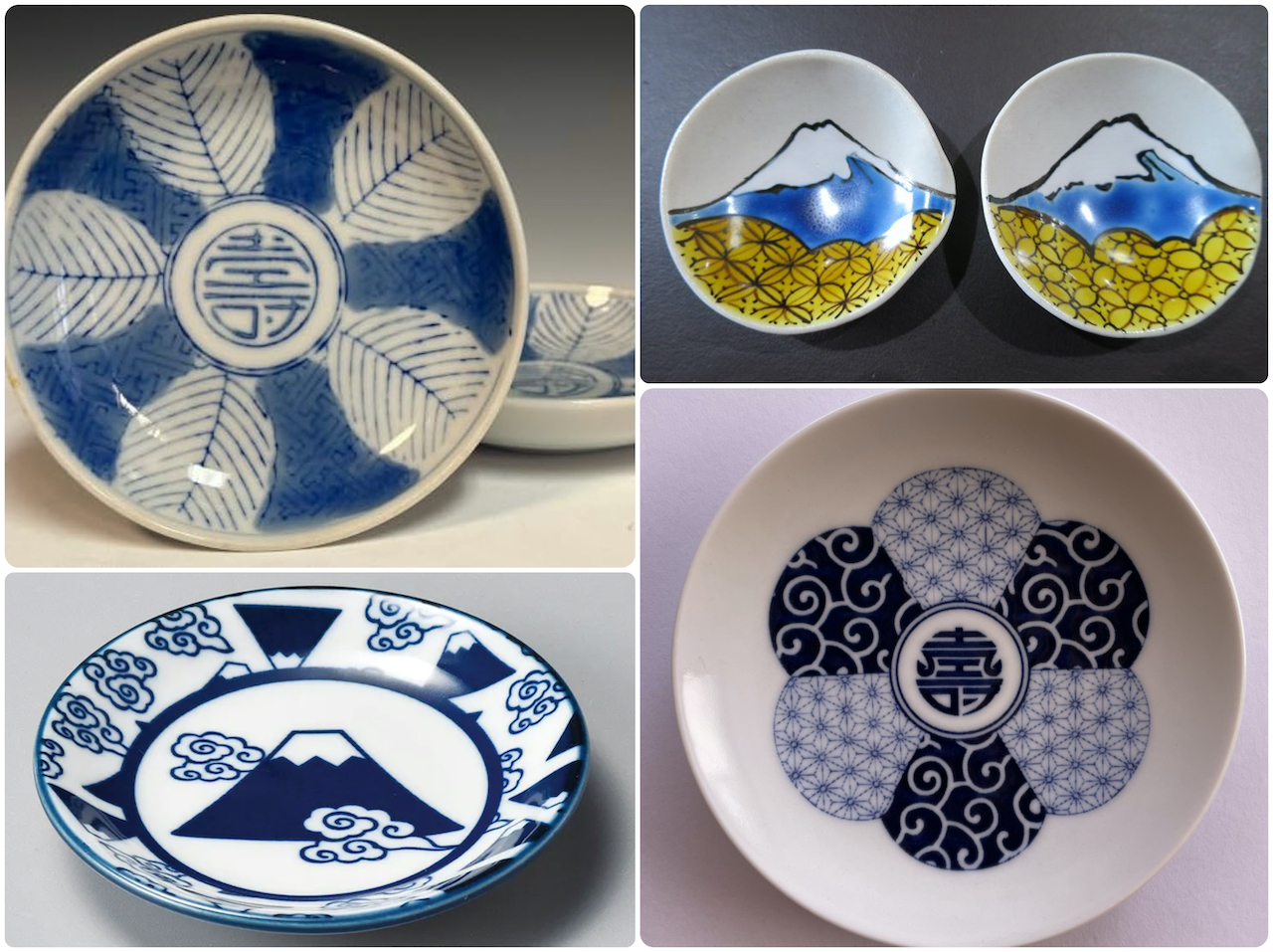
Another might be to choose a subject like Mt Fuji … or the auspicious kotobuki calligraphy 寿
No matter what color, shape or theme you choose for organizing your mamé-zara, small plates are a great way to serve tasty tidbits, whether they are freshly made for that meal, or leftovers from a previous one.

To get you started, here are a few recipes for small bites that pair well with beer or sake or tea.

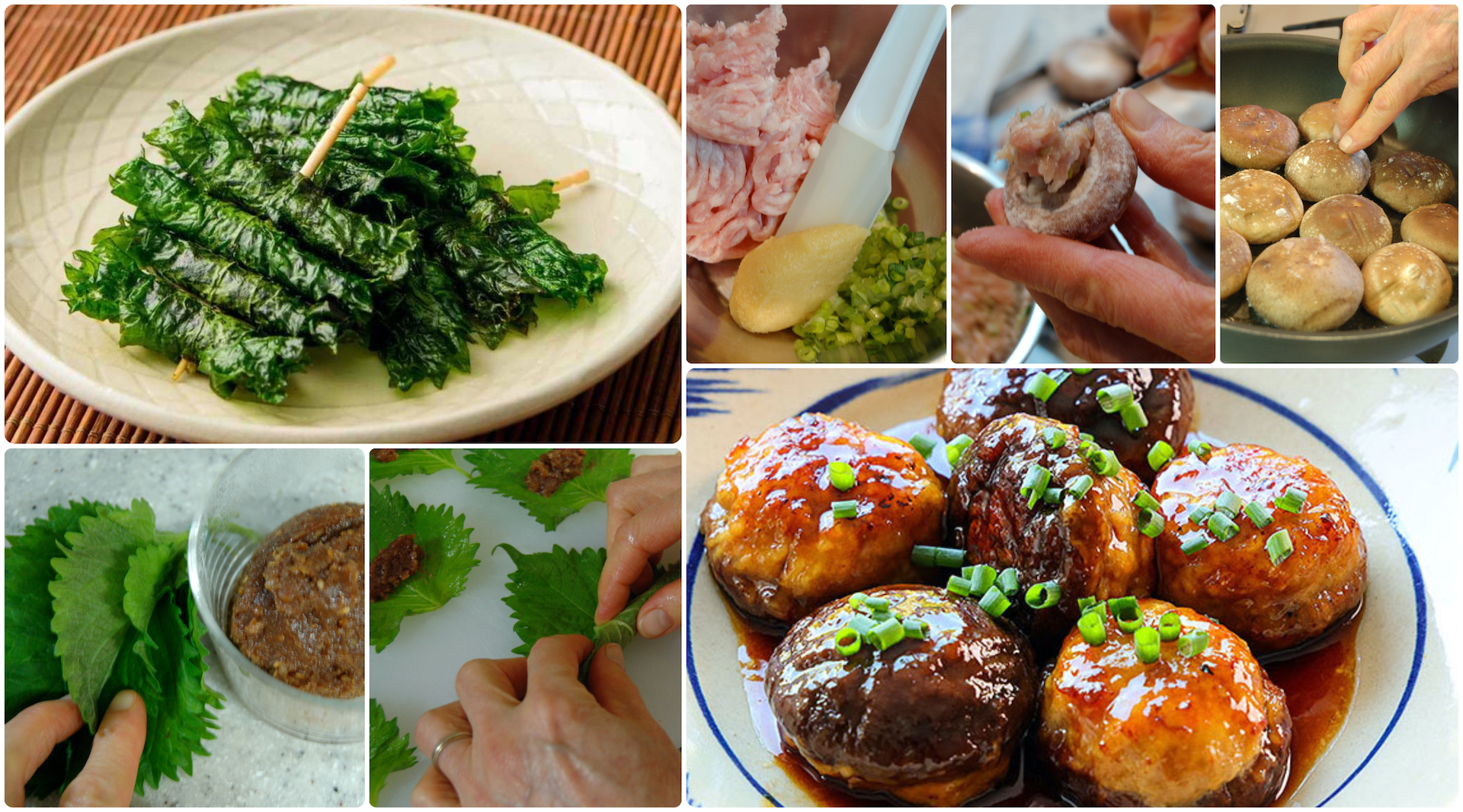
SHISO MAKI しそ巻き hails from Japan’s Tohoku region known for its walnuts and full-bodied red miso. This dish showcases both in an addictively tasty filling for herbaceous shiso leaves.  Some Tohoku chefs will add a spicy spark to the sweet-and-salty miso mixture by adding a pinch of fiery shichimi tōgarashi to the filling.

and

HŌRAI-ZUMÉ 宝来詰め plump, juicy Treasure Filled (stuffed with chicken) Mushrooms, that are skillet-seared and soy-glazed.
PROJECT Osozai Side Dishes

PROJECT Osozai Side Dishes

Food halls located in the basement level of Japan’s leading department stores carry an incredible array of fresh foods, packaged grocery items, and prepared take-out items. Japan's food halls are justly famous for their extensive, high-end comestibles. The savory...

Using Food Fully

Using Food Fully

Meals planned around a single ingredient prepared in many ways are referred to as tsukushi (or zukushi) 尽くし menus. The verb tsukusu means "to use, or consume, entirely." This no-waste approach is both a frugal and practical way to cook, making the most of what is...

The Language of Learning

The Language of Learning

Although we are all born with some innate capabilities, we also must LEARN in order to survive and thrive. Different cultures manage learning differently. The Japanese language has two verbs that can be used when talking about acquiring information and experience....

PROJECT Oysters

PROJECT Oysters

This project is about making two different oyster dishes: fried (kaki furai 牡蠣フライ) and simmered in miso (doté nabé 土手鍋). Recipes for both dishes begin with already shucked oyster meats. If you have purchased shucked oysters in a glass jar, carefully strain the liquid....

Recent Posts & Projects