

LEARNING: Manabu and Narau
Although we are all born with some innate capabilities, we also must LEARN in order to survive and thrive.
Different cultures manage learning differently. The Japanese language has two verbs that can be used when talking about acquiring information and experience. Both 学ぶ (manabu) and 習う (narau) mean “to learn.” The goal for both is to acquire skill and proficiency but the process is quite different.
Manabu implies that you actively seek to know what you are learning. Proactively taking lessons, for example, or researching a subject by reading or though direct experience.
Narau, on the otherhand, is learning acquired by being taught — by a teacher, coach or other knowleageable or skilled person.
Combining the calligraphy for manabu and narau makes the word gakushū 学習 which means “to study.” Gakushū is both proactive and reactive. Add another calligraphy juku 塾 and it makes the word for cram school, gakushūjuku.
There is another word for study — benkyō 勉強 — that is written by combining two calligraphy: ben “diligent effort” and kyō “strength.” Benkyō describes a task or operation; in everyday conversation the word benkyō would be used to describe preparing to take a (difficult) test.
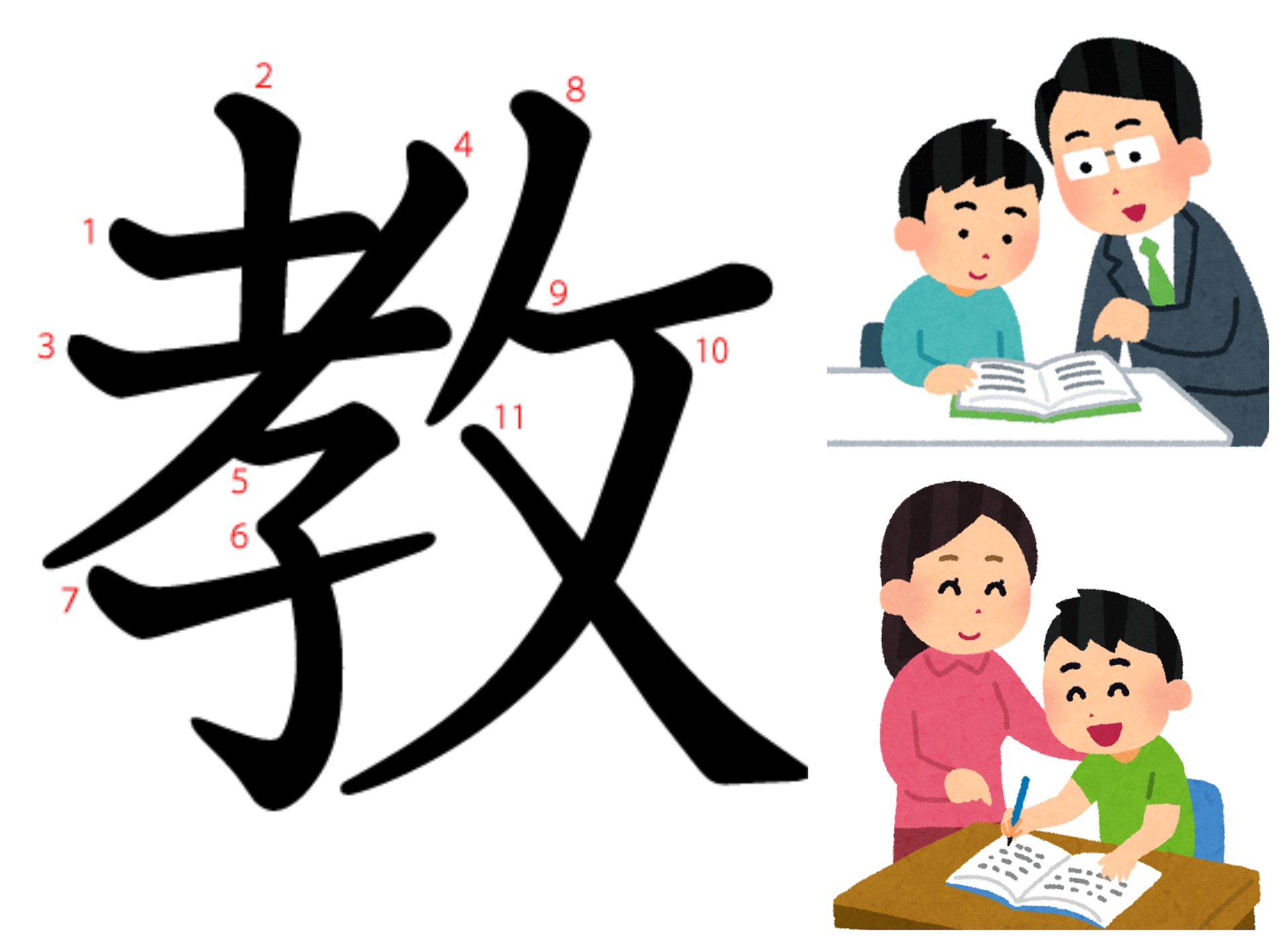
TEACHING: Oshieru
The verb oshieru 教える means to instruct, teach, inform, tell, show. The people who do this are usually referred to as “teachers” (sensei 先生), instructors or guides. Students or pupils (seito 生徒 ) are the recipients of such instruction or guidance. The classic Japanese approach to teaching is for the sensei to demonstrate and the student to imitate.
Practice is important to ensure the newly acquired knowledge or skill is truly learned. Students typically first engage in osarai お浚い (review), and then renshū 練習 (practice, exercise, workout) and kunren 訓練 (drills).
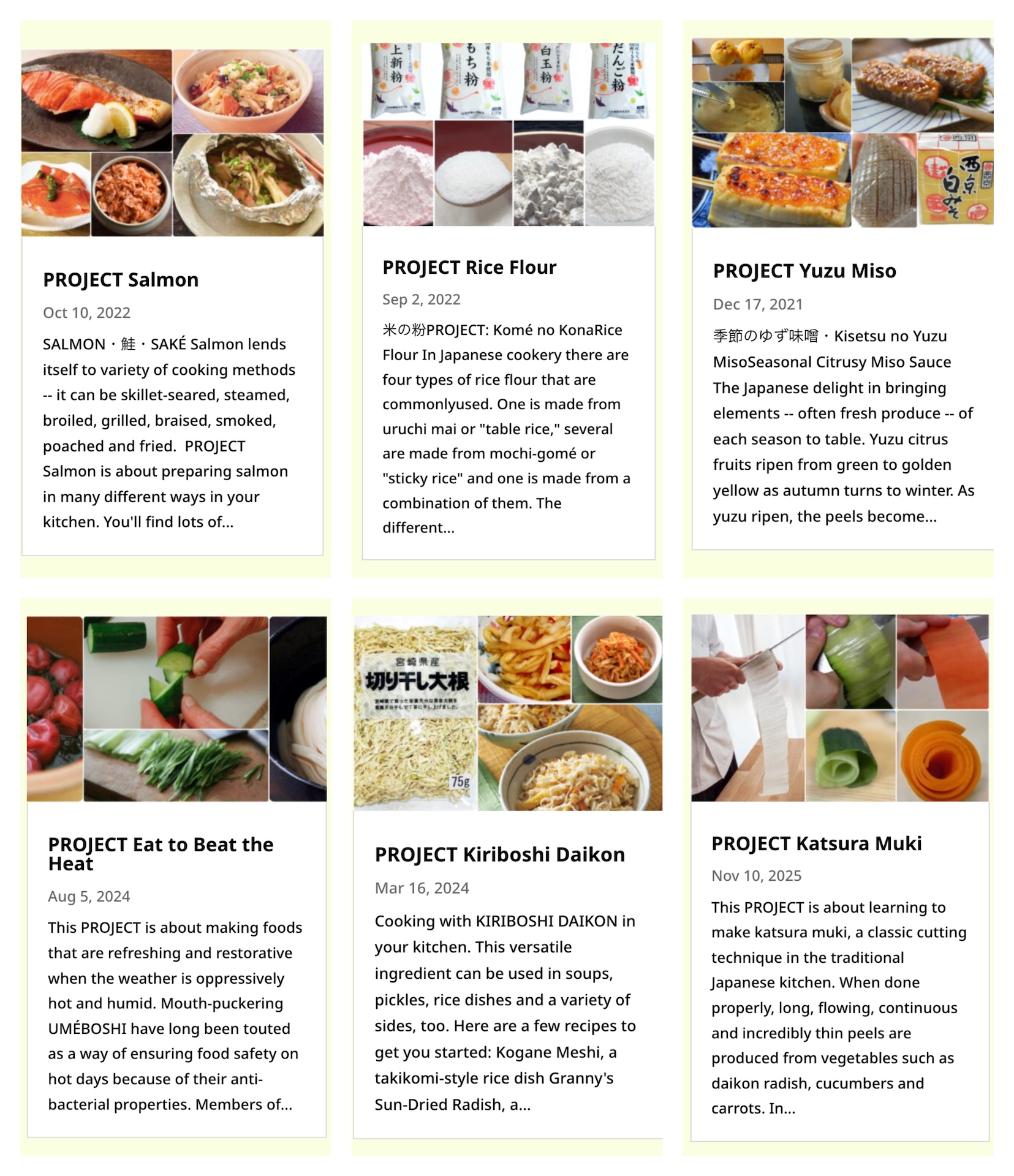
Practice Japan’s kitchen wisdom in YOUR kitchen
Try Kitchen PROJECTS. Each project is self-paced and can be started (or paused) at any point.
Each time you click the link above, six projects will be displayed at random in a rotating slider. Click on what captures your interest.
You can also search or scroll through the entire list — there are of dozens of projects to choose from — and select what appeals to you.
Read the MARCH 2026 newsletter themed on
The Language of Learning.


-79969_400x250.jpeg)