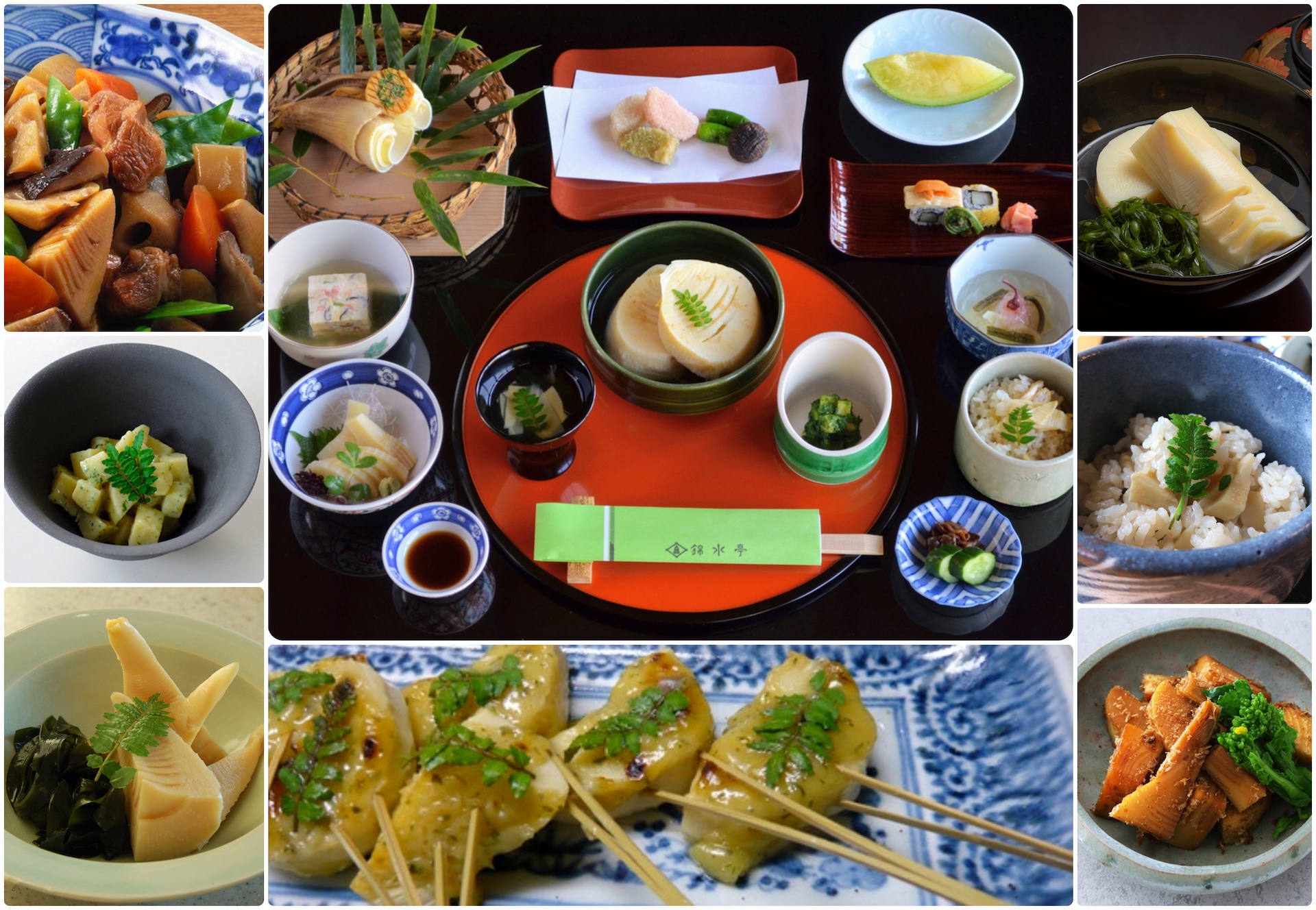
Meals planned around a single ingredient prepared in many ways are referred to as tsukushi (or zukushi) 尽くし menus. The verb tsukusu means “to use, or consume, entirely.” This no-waste approach is both a frugal and practical way to cook, making the most of what is available in any given locality at any given time of year.
In the sprintime in Japan, bamboo shoots (takénoko 筍) are often a featured ingredient in tsukushi meals. Takénoko-Zukushi could be an elaborate banquet or a humble assortment of tidbits.
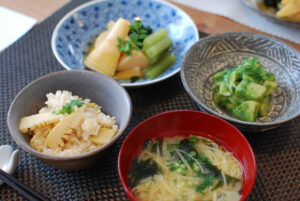
Bamboo shoots prepared in a multitude of ways served alongside each other in the same meal accentuates subtle nuances of flavor and texture. From the cook’s perspective, a tsukushi menu plan offers an opportunity to showcase his or her ability to coax the most from nature’s provisions.
To join in this meal-making mindset, visit PROJECT Cooking with Bamboo Shoots.
Below, I offer yet another dish to add to your reportoire. Download a recipe for Takénoko no Tosa Ni.
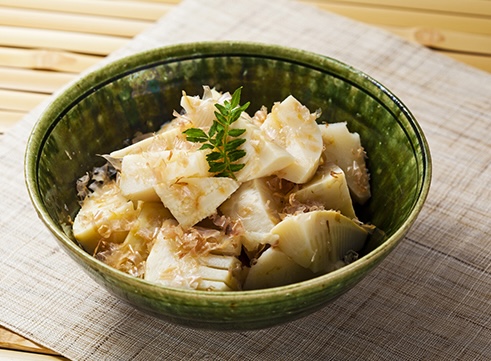
筍の土佐煮 Takénoko no Tosa Ni
Tosa, the former (historical) name for Kochi Prefecture on the island of Shikoku is famous for its katsuo (bonito fish). Names of dishes that prominently display katsuo-bushi often include Tosa in their name.
Here, bamboo shoots are prepared “in the style of Tosa.” The earthy shoots have been simmered in a smoky sea stock known as oi-gatsuo dashi 追い鰹出汁 (stock that has been reinfused with extra katsuo-bushi flakes). Yet more katsuo-bushi flakes are added at the end of cooking. Briefly toasted katsuo-bushi flakes are crushed and tossed with the burnished soy-simmered shoots.
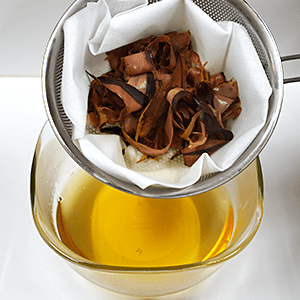
I often refer to katsuo-bushi as the “bacon of the sea” because its smoky overtones add a richness and depth of flavor similar to that of smoked bacon.
Find out more about Using Food Fully in my April 2026 newsletter.

-79969_400x250.jpeg)