Lots of Ways to Enjoy BIWA
This project is about enjoying biwa (loquat fruits) in a variety of ways:
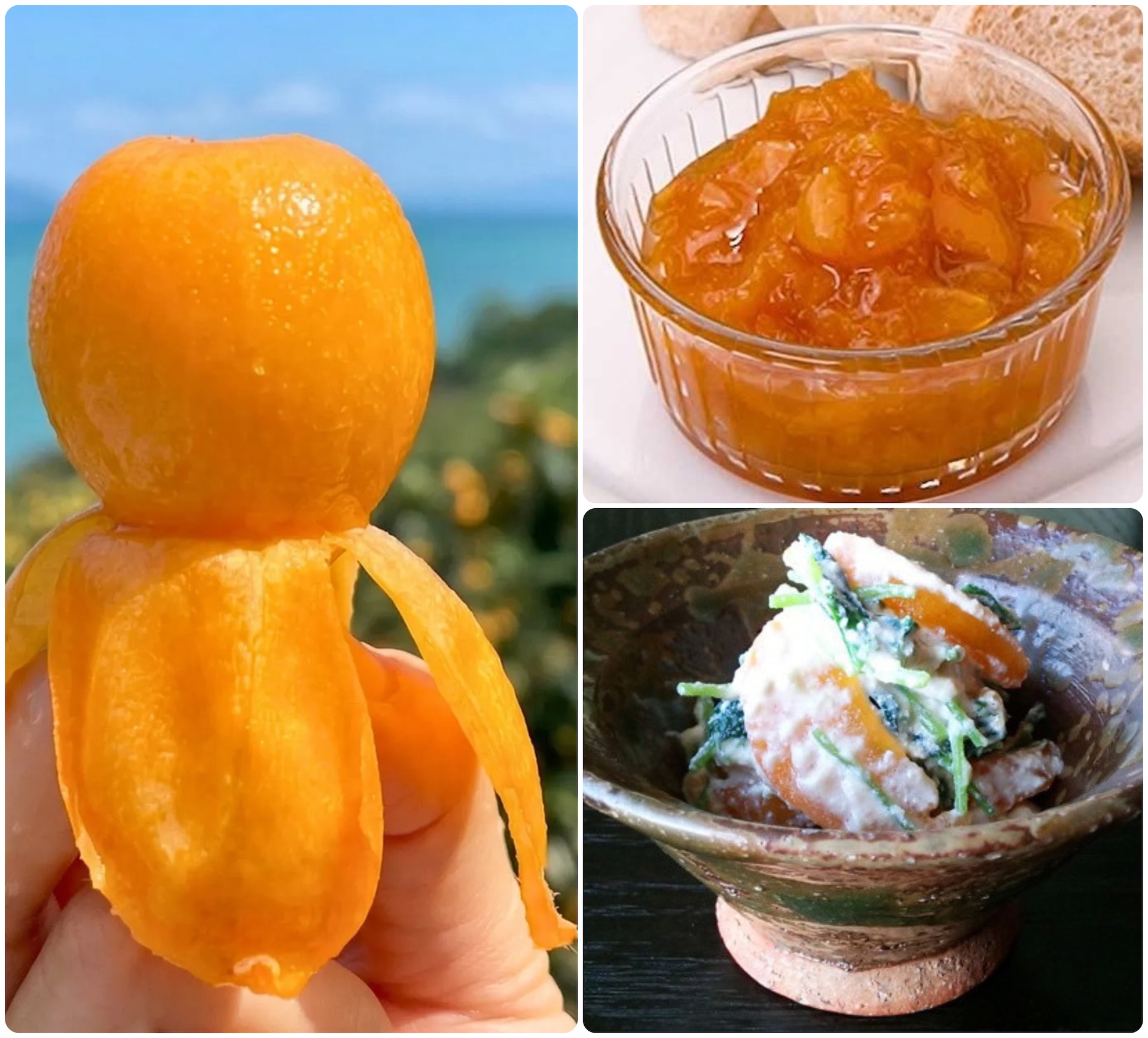
Loquat fruits are delicious raw. Just rinse the fruits and gently wipe dry; the slight friction from doing this enables the fruit to be peeled easily. The loquat fruit is also used to make jams, jellies, savory chutneys, sauces and juices.
In addition, the Japanese serve biwa as shira ae, tossed in a creamy tofu sauce. Most often a bitter green — either chopped fresh mitsuba or mizuna or briefly blanched spinach — is tossed with sliced fruit (in this case biwa) before mounding in a serving dish.
Loquat leaves can be brewed into a restorative tea.
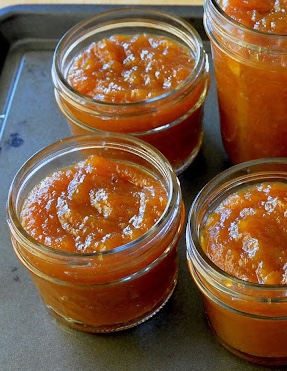
びわジャム Ginger-Lemon Loquat Jam
The delicate flavor of loquat is enhanced by ginger and lemon in this chunky jam. Its delicious spread on toast and muffins. Add a drop of soy sauce to the jam and it becomes a glaze for roast chicken.

Place chicken thighs in a baking dish in a single layer and “paint” the surface with the jam-soy sauce mixture. Bake in a hot oven (425F) for 25 minutes, flip and paint again with the jam-soy mixture. Bake for a another 20 minutes. To crisp the skin, turn again, re-paint with pan juices and cook for another 10 minutes.
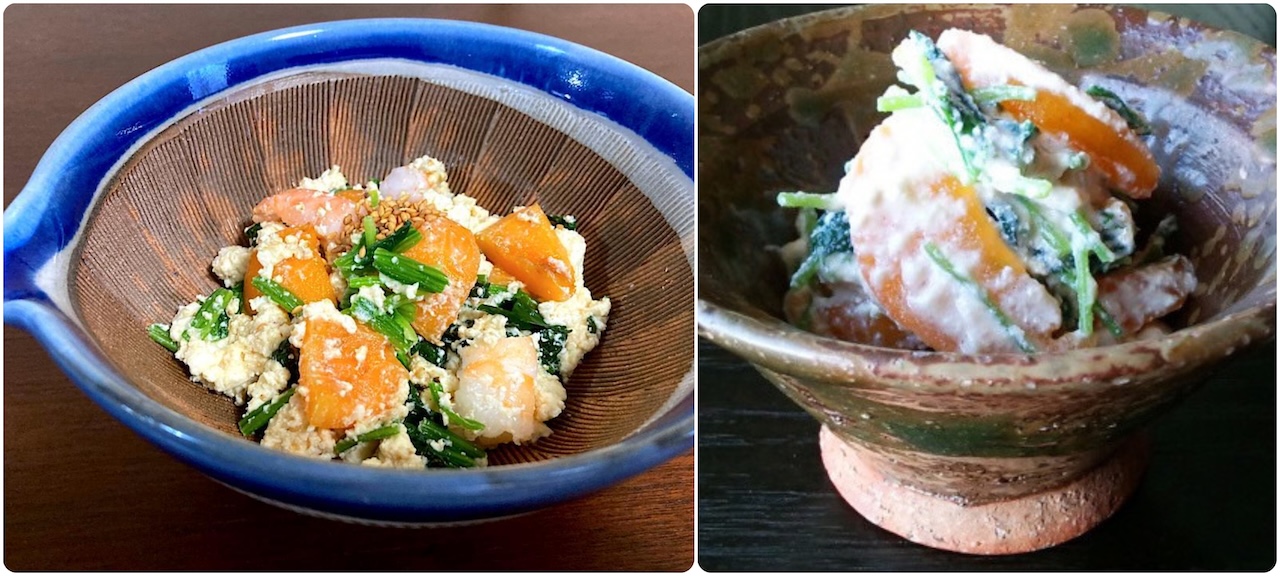
びわ白和 Biwa Shira Ae (loquat in creamy tofu sauce)
The Japanese enjoy combining fruit with slightly bitter greens and tossing the mixture in a creamy tofu sauce called shira ae.
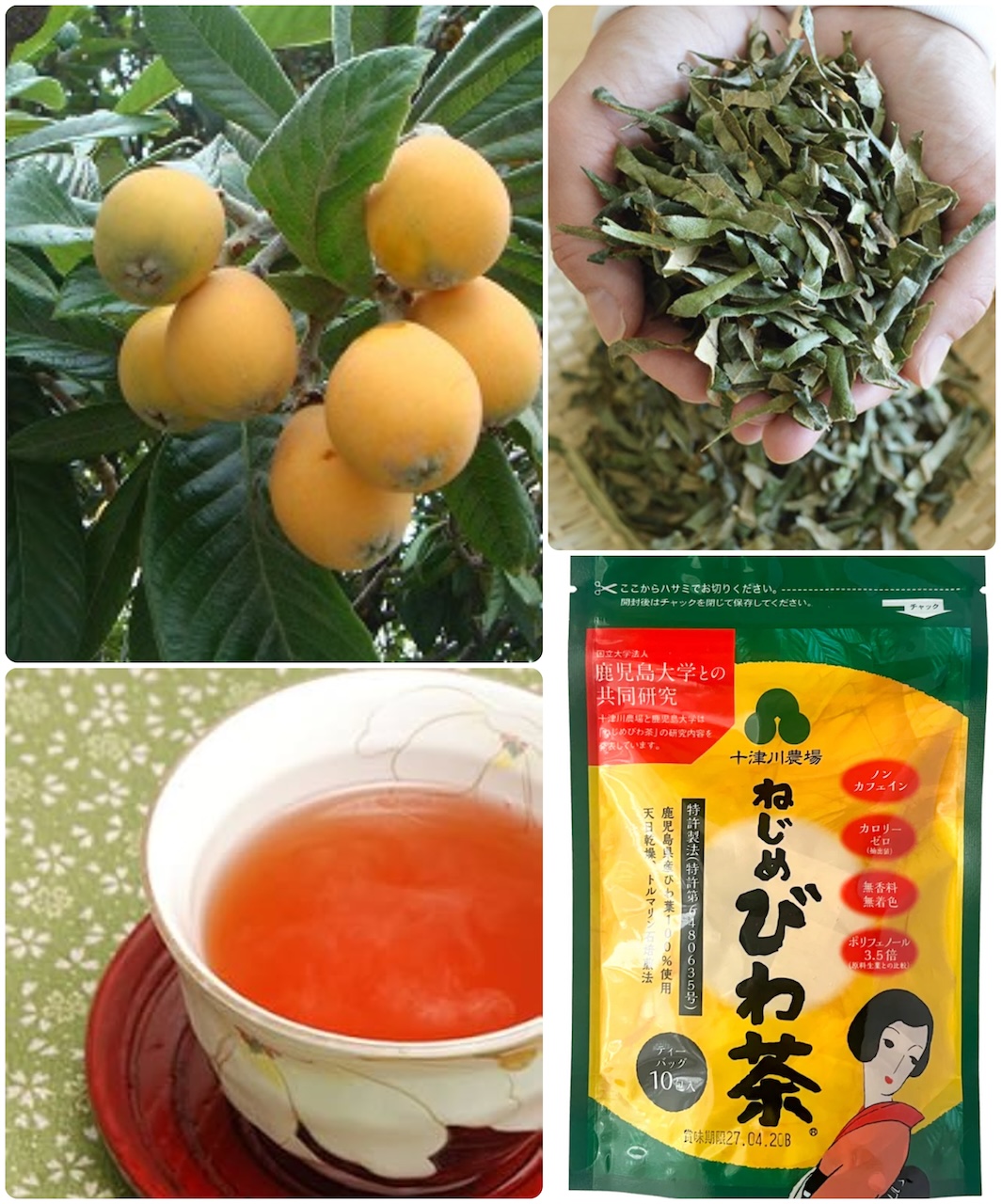
びわ茶 Biwa cha (loquat tea)
Several ancient Chinese and Japanese medicinal remedies utilized different parts of the loquat plant. Modern research shows that loquat leaves contain triterpenes known for their anti-allergenic, anti-inflammatory, and anti-aging properties.
Find out more about BIWA (loquats) on Kitchen Culture and in my JUNE 2026 newsletter.