
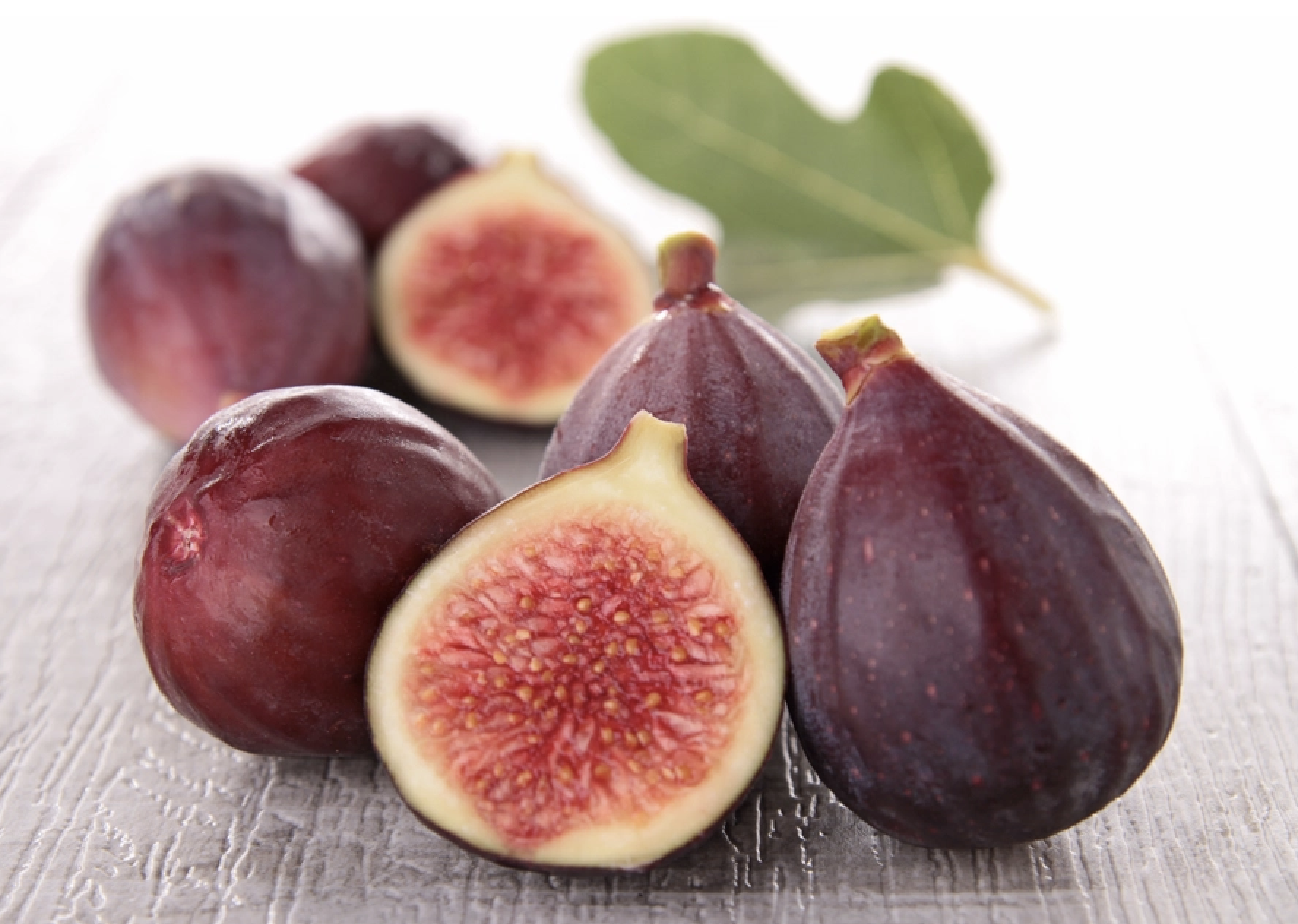
FIGS 無花果 ichijiku
Figs are one of the world’s oldest cultivated fruits. Images of figs appear in ancient Egyptian murals and are frequently mentioned in the Old Testament and the Qur’an (or Koran, the central religious text of Islam). Figs were known to be an important source of daily nutrition in ancient Greece and Rome.
Figs first reached Japan in the early Edo period (17th century). They were brought from China through the port of Nagasaki. Unlike the Mediterranean regions, where figs are often dried to preserve them, Japan’s humid climate promoted the consumption of figs as fresh fruit.
Worldwide, the fig tree has been a symbol of abundance, fertility, peace, and prosperity throughout history.
About the name ICHIJIKU
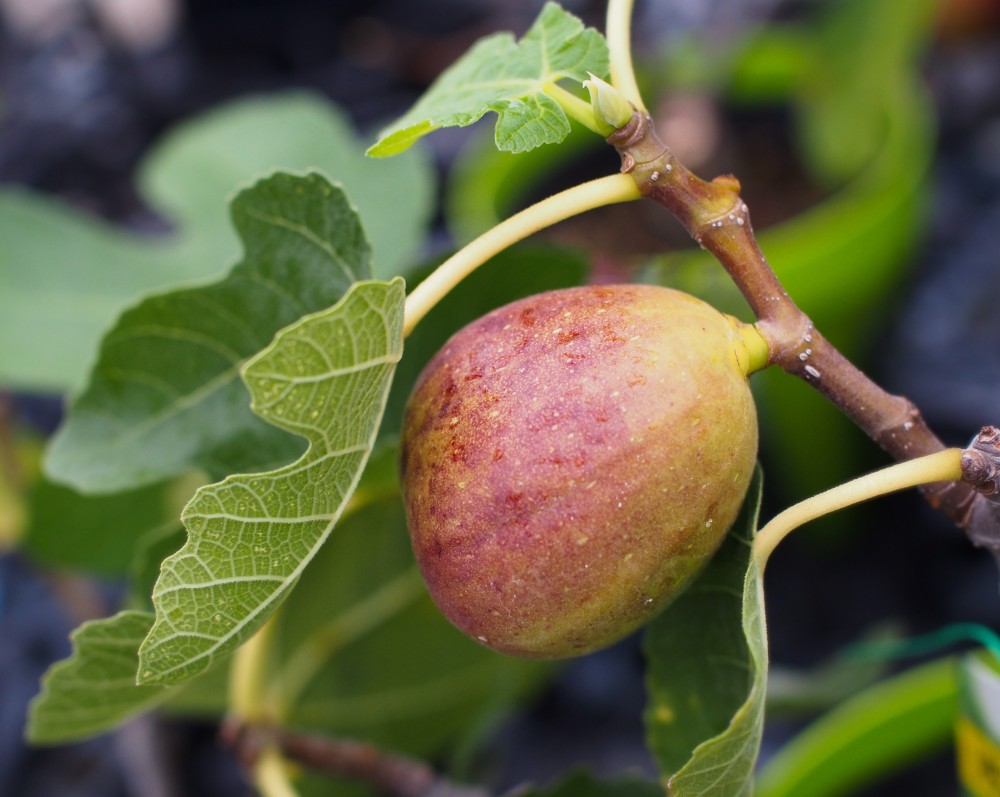
Figs are called ichijiku in Japanese. Written with 3 calligraphy 無花果 which translate as “no flower fruit,” they are so named because Ficus carica L. (Moraceae), fig trees, seem to have no flowers. In fact, figs are syconium, a specialized type of multiple and accessory fruit in which the flowers are inverted — what appears to be seeds on the inside are actually flowers.
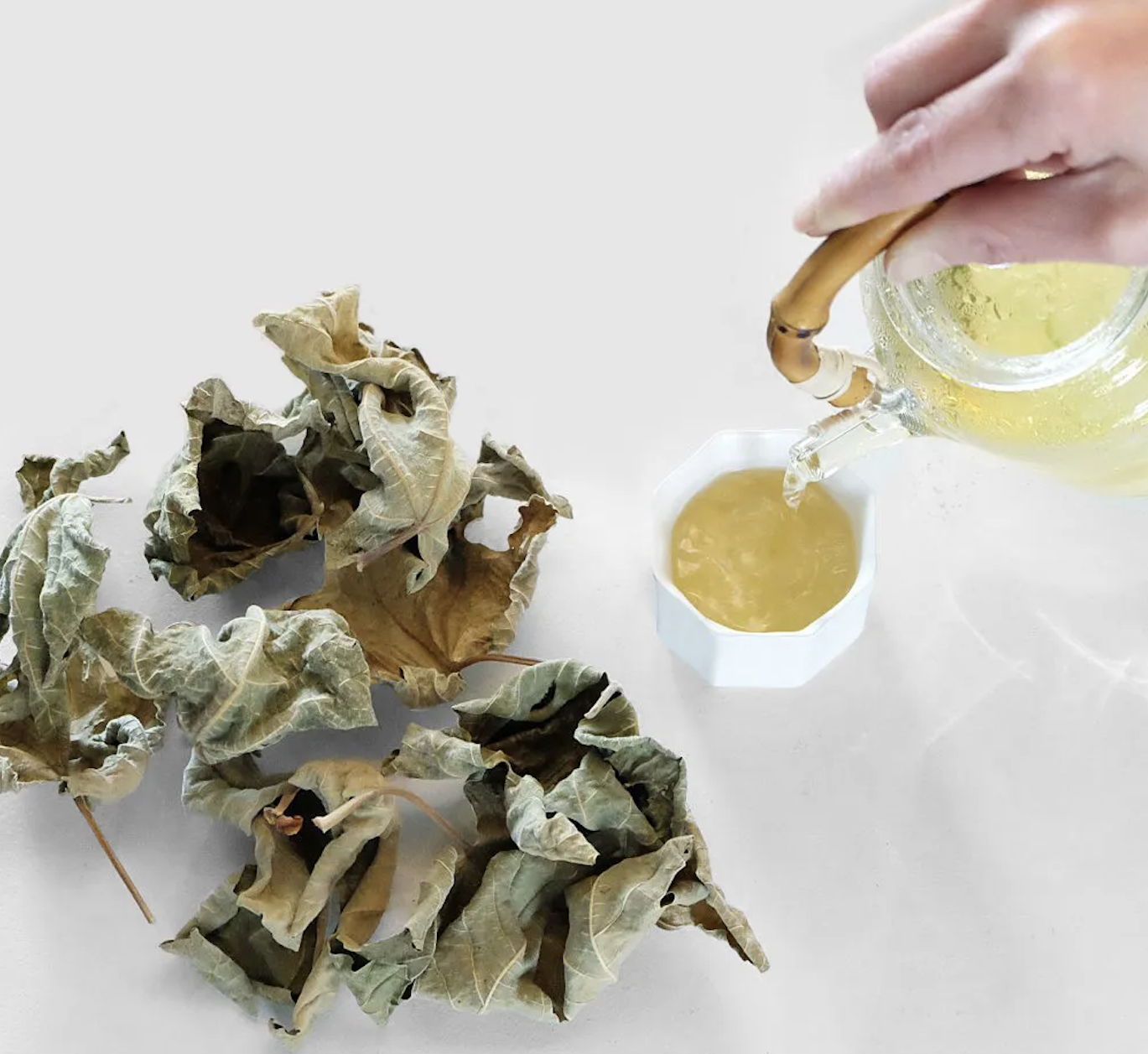
Fig leaf TEA 無花果葉茶
In Japan, during the Edo period fig leaves were among several kinds of shōyaku 生薬 or “natural medicines” used to reduce high blood pressure and promote gut health. Fig leaf tea (mukakayō cha 無花果葉茶 ムカカヨウチャ)continues to be enjoyed by many in Japan (and elsewhere throughout the world). It boasts a mild coconut-and-vanilla-like aroma.
NOTE: Fig leaves and their sap produce several proteolytic and keratolytic enzymes that significantly enhance and accelerate phototoxicity.
Drinking fig leaf tea and then going out into the sun can be risky because fig leaves contain natural chemicals called furocoumarins that can cause a skin reaction where ultraviolet (UV) rays react with plant toxins, leading to severe sunburns, rashes, and blisters.
Visit PROJECT FIG for recipes and ways to enjoy this fall fruit.
More about FIGS in my September 2026 newsletter

-79969_400x250.jpeg)