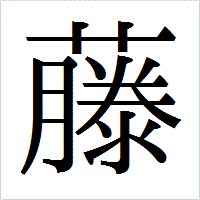
FUJI (wisteria)

Apr 27, 2023 | Culture, Kitchen Culture

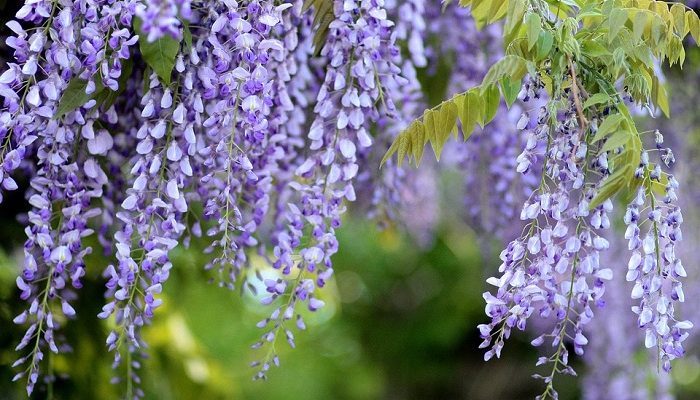
FUJI (Wisteria floribunda)

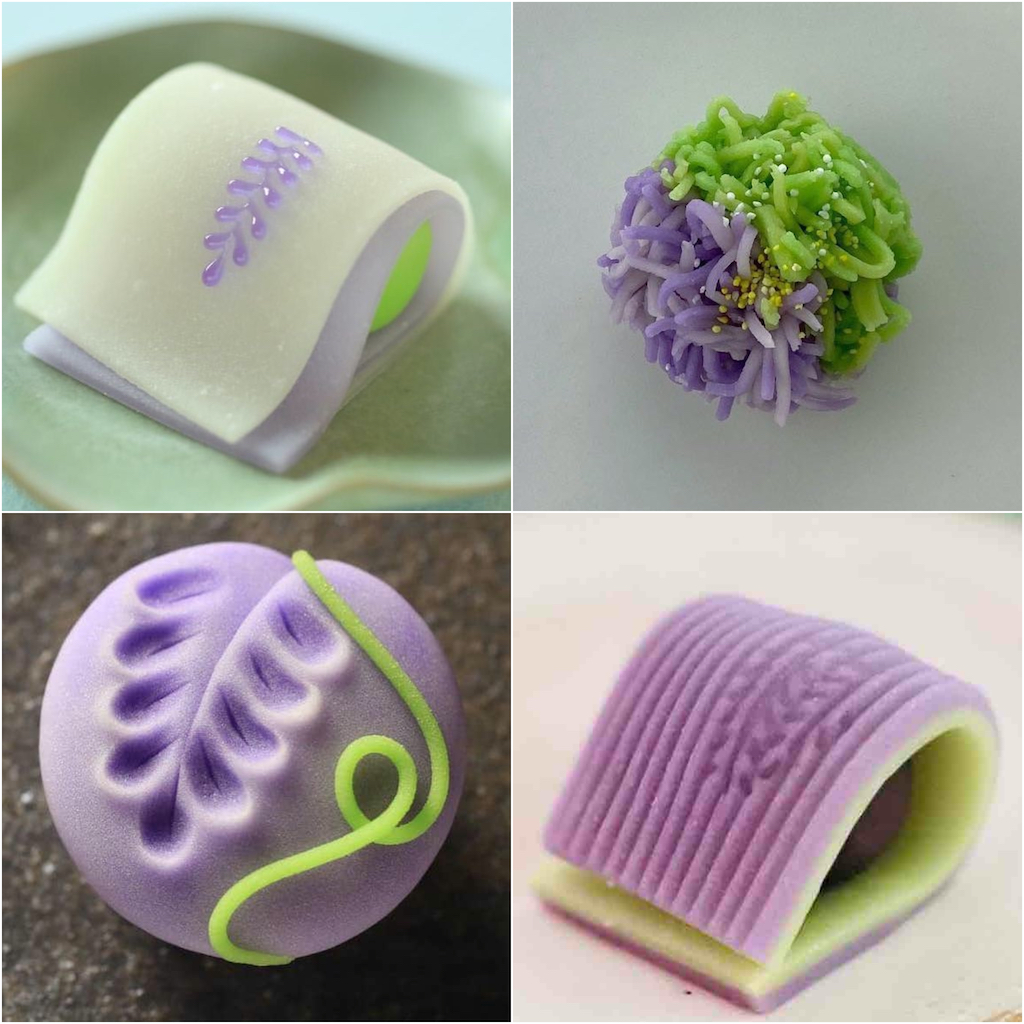
A species of flowering plant in the pea family, fuji  is native to Japan. In culinary matters, graceful wisteria vines inspire a seasonal motif for traditional wagashi confectionery.

Fuji is often a symbol of longevity (plants have been known to live for more than 100 years) and wisdom (the plant’s long climbing vines seem metaphorically in search of new knowledge).
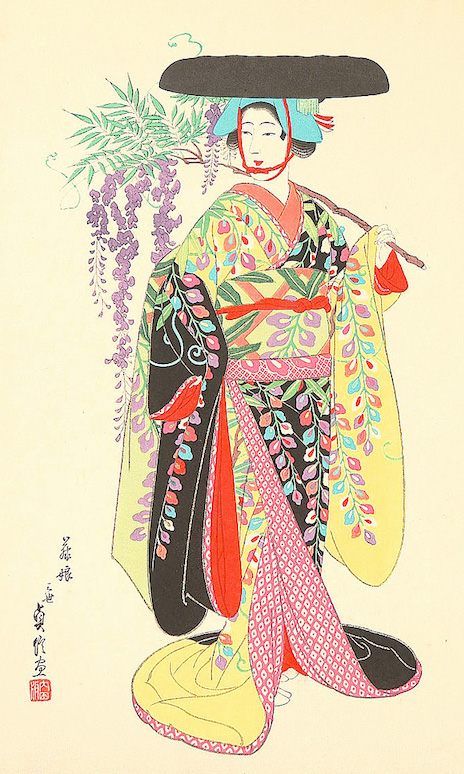
Fuji Musumé (Wisteria Maiden)

In addition, wisteria is associated with romance. Fuji Musumé, the “Wisteria Maiden,” a famous Kabuki dance with lyrics is themed on unrequited love.

Visit the PROJECT Flower-Inspired Sushi Rolls post to learn about making these attractive tidbits.

Download a copy of my April 2023 newsletter about FUJI (wisteria)
Using Food Fully

Using Food Fully

Meals planned around a single ingredient prepared in many ways are referred to as tsukushi (or zukushi) 尽くし menus. The verb tsukusu means "to use, or consume, entirely." This no-waste approach is both a frugal and practical way to cook, making the most of what is...

The Language of Learning

The Language of Learning

Although we are all born with some innate capabilities, we also must LEARN in order to survive and thrive. Different cultures manage learning differently. The Japanese language has two verbs that can be used when talking about acquiring information and experience....

Oysters

Oysters

Throughout the world, oysters have been a popular food source since ancient times. Archeologic evidence in Japan, in the form of kaizuka (shell mounds), dates to the Jōmon period (14,000-300 BCE). Oysters had been abundant for millennia and harvested in their natural...

Kagami Mochi

Kagami Mochi

At New Years’ time, the Japanese decorate their homes with a special display called KAGAMI MOCHI. There are many regional variations on the theme but typically two large rounds of omochi rice taffy are stacked with a daidai 橙 (bitter orange) on top. The arrangement is...

Recent Posts & Projects